Affordable Modified Cameras Worth Buying
```html
Understanding Modified Cameras: Basics and Benefits
Modified cameras unlock creative possibilities beyond standard photography by altering their sensors to capture light spectra invisible to the human eye. Unlike stock cameras, which have infrared (IR) and ultraviolet (UV) filters to replicate natural vision, modified versions remove or replace these filters, enabling photographers to explore ethereal landscapes, scientific imaging, or artistic effects. Affordable models make this niche accessible without requiring a four-figure budget, appealing to hobbyists and professionals alike. This section dives into how these modifications work and why they’re worth considering for anyone eager to expand their photographic horizons.
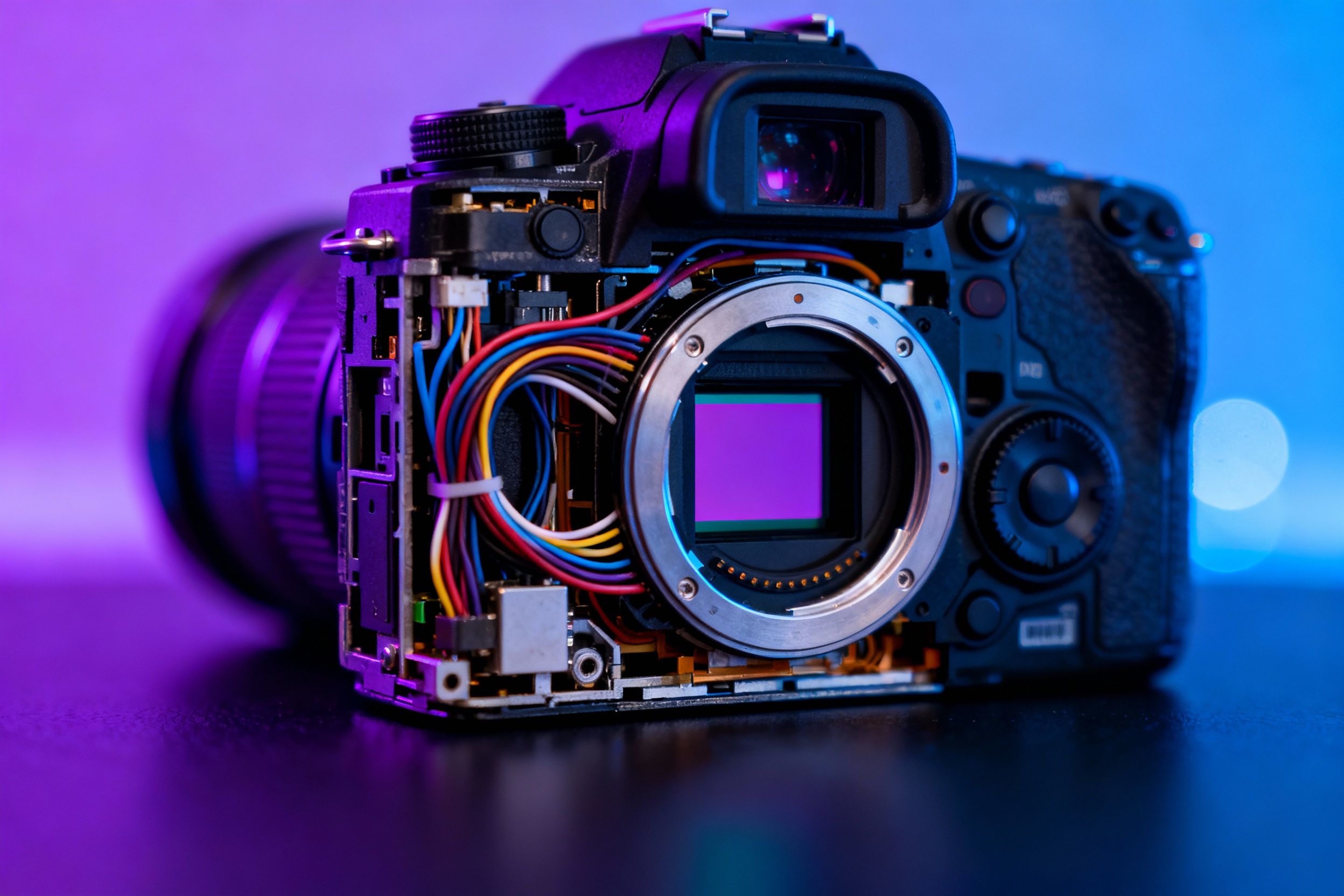
Full-Spectrum Modifications: Capturing the Invisible World
Full-spectrum modification removes both IR and UV filters, allowing cameras to capture wavelengths from 300nm to 1200nm. This opens doors to forensic analysis, astrophotography, and surreal landscape shots. For example, chlorophyll in plants reflects IR light, rendering foliage ghostly white in monochrome or vibrant pink with color filters. Affordable full-spectrum options like the Canon EOS M (original) or Nikon D3200, when professionally modified, offer versatility for under $500. Pairing these cameras with external filters lets photographers toggle between UV, visible, and IR imaging without needing multiple dedicated bodies.
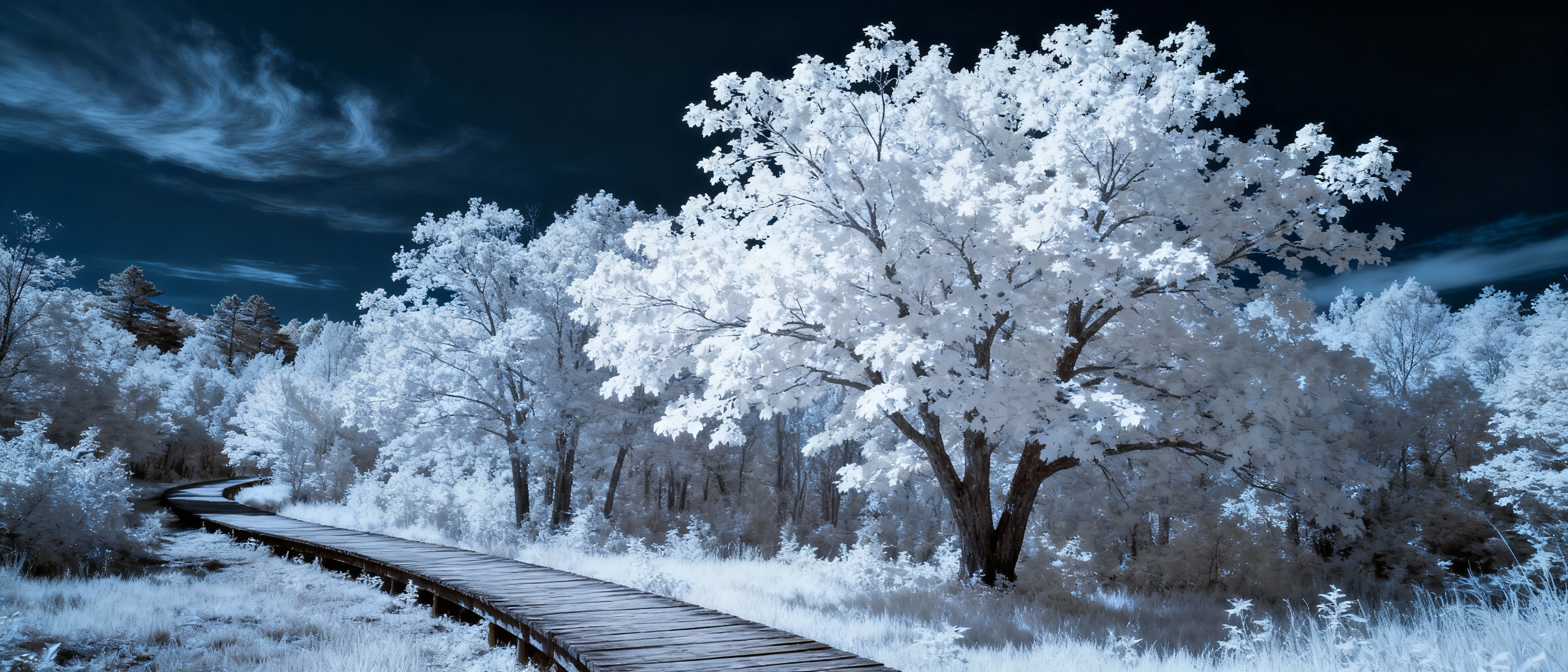
Infrared Photography: Affordable Cameras for Ethereal Shots
Infrared-modified cameras emphasize wavelengths between 700nm and 1200nm, producing surreal images where greenery turns bright white or golden-hour skies glow with dramatic contrast. Budget-friendly IR models like the Pentax K-50 or Sony Alpha A5000 deliver striking results without breaking the bank. These cameras often retain autofocus and metering capabilities post-modification, ensuring user-friendliness. For newcomers, a 720nm filter is ideal for classic IR effects, while deeper modifications (e.g., 590nm) introduce bold color shifts that can be toned in post-processing.
UV Modification: Exploring Ultraviolet Imaging on a Budget
Ultraviolet photography reveals hidden patterns in flowers, minerals, and even skin textures by capturing light below 400nm. While UV modification is more complex—requiring specialized lenses and lighting—budget options like the Olympus E-M10 (modified for UV) make this realm accessible. These cameras often use quartz lenses to transmit UV light, and paired with UV flashlights, they can uncover fluorescent details in everyday scenes. Though niche, UV imaging appeals to biologists, artists, and curious photographers seeking unconventional subjects.
Top 5 Affordable Modified Cameras Under $500
1. Canon EOS M (Original) : Lightweight and mirrorless, ideal for full-spectrum mods. Used bodies cost under $200, leaving room for professional modification. 2. Nikon D3200 : A DSLR powerhouse with a 24MP sensor, often modified for IR under $400. 3. Pentax K-50 : Weather-sealed and rugged, perfect for outdoor IR photography. 4. Sony Alpha A5000 : Compact with a tilt screen, great for UV or IR street photography. 5. Olympus E-M10 Mark I : Micro Four Thirds versatility for UV enthusiasts. Each model balances cost, image quality, and post-mod usability.
Modifying vs. Buying Pre-Modified: Cost and Convenience
Modifying a camera yourself saves money but risks damaging delicate components. Pre-modified models, while pricier, come calibrated and tested. For example, a used Nikon D3400 costs $250, but DIY IR mods add $100–$150 in parts and tools—plus hours of labor. Pre-modded equivalents run $400–$450, often including warranties. Novices should weigh their technical confidence against the value of time and reliability. Professional services like LifePixel or Kolari Vision offer tiered pricing, making pre-mods a safe entry point.
Essential Accessories for Maximizing Modified Camera Use
Modified cameras thrive with the right gear. IR/UV-pass filters (e.g., Hoya R72 or Baader U) are essential for controlling wavelengths. A sturdy tripod compensates for long exposures in IR, while lens adapters unlock compatibility with UV-capable glass. For post-processing, software like Adobe Lightroom’s Channel Mixer corrects color shifts. Don’t overlook lens hoods—reducing flare is critical when shooting without built-in filters. Budget $100–$200 for these add-ons to fully exploit your camera’s potential.
DIY Camera Modifications: Risks and Rewards
DIY modifications offer cost savings but demand precision. Swapping a sensor filter requires disassembling the camera, recalibrating focus, and cleaning the sensor—a daunting task for beginners. Online tutorials and kits simplify the process, but one misstep can brick the device. Success stories often involve older models like the Canon 20D, where parts are cheap and communities provide support. For hobbyists who enjoy tinkering, DIY mods blend photography with hardware hacking, but most will prefer professional services.
User Reviews: Real-World Experiences with Budget Mods
Photographers praise modified cameras for their creative potential but note quirks. One user raves about a $400 IR-modified Nikon D3200 capturing “otherworldly wedding photos,” while another warns of focus shifts requiring manual adjustments. UV shooters highlight the need for strong lighting but adore the “hidden universe” in flora. Consistently, users recommend starting with IR for its forgiving nature and striking results, while UV remains a niche for patient experimenters.
Maintenance and Care for Long-Term Performance
Modified cameras need extra care. Dust easily infiltrates sensors without protective filters, requiring frequent cleaning with swabs and blowers. Store cameras in airtight containers with silica gel packs to prevent moisture damage. Battery life may dip due to prolonged Live View use in low-light scenarios. Regularly update firmware to address compatibility issues with newer lenses. With proper upkeep, a modified camera can last decades, evolving alongside your skills.