Avoiding Vibrations During Long Exposures
```html
Understanding Vibrations in Long Exposure Photography
Long exposure photography thrives on precision—every second of light captured must translate into a crisp, intentional blur rather than unintended chaos. Vibrations, however subtle, can turn a dreamy waterfall into a murky mess or transform sharp star trails into shaky lines. These disruptions often stem from internal camera mechanisms like mirror movement in DSLRs or shutter actuation, as well as external forces such as wind, uneven terrain, or even footsteps nearby. Recognizing these sources is the first step toward mitigating their impact. Even the act of touching the camera to press the shutter button can introduce enough motion to degrade image quality, especially in exposures lasting several seconds or minutes.

Choosing the Right Equipment for Stability
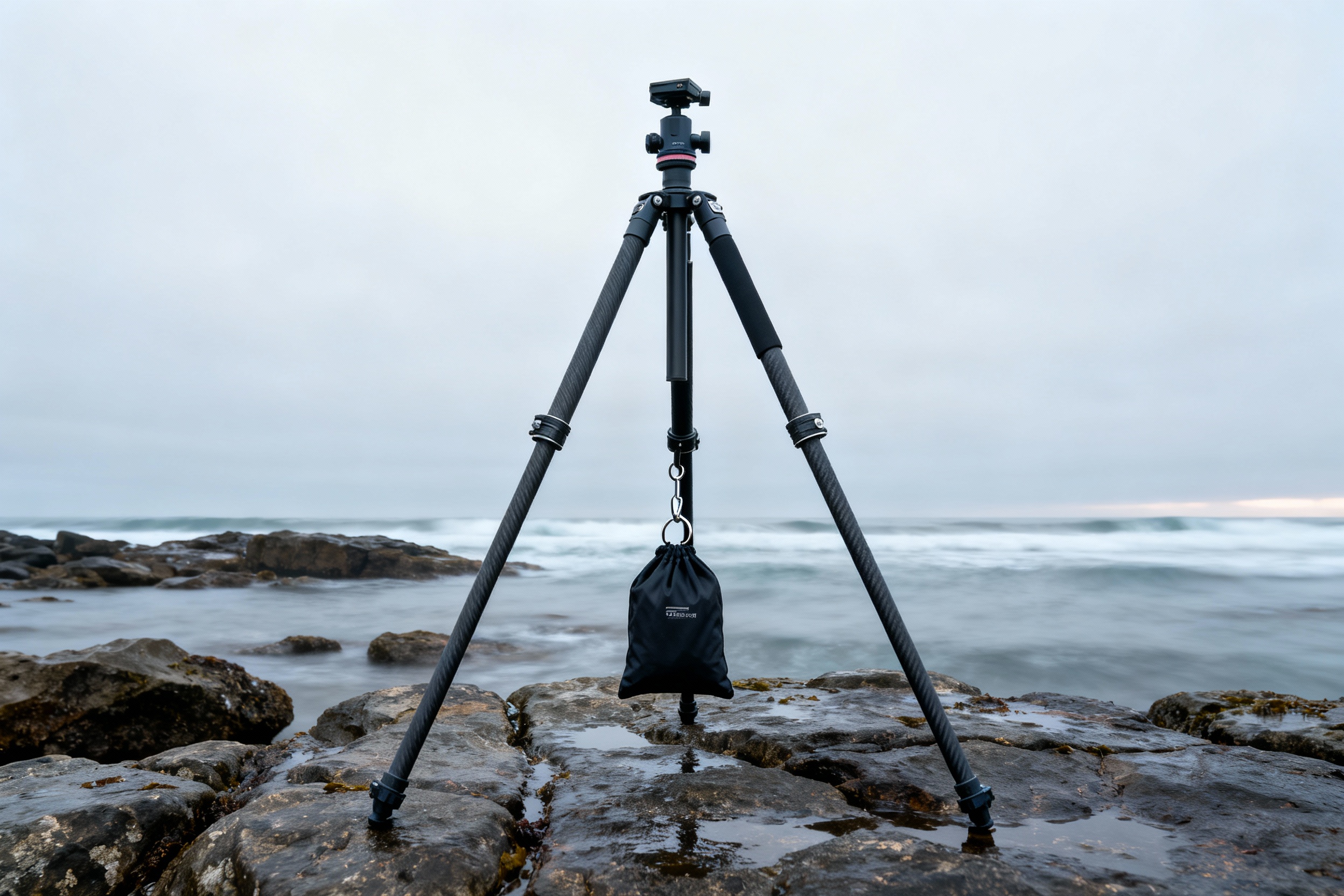
Investing in robust gear is non-negotiable. A flimsy tripod might save weight in your bag, but it becomes a liability when stability matters. Carbon fiber tripods strike a balance between durability and portability, while aluminum models offer affordability at the cost of added heft. Pair your tripod with a high-quality ball head or gimbal designed to lock securely without slippage. For added assurance, consider a tripod with a hook to hang a weight—a backpack or sandbag—to lower the setup’s center of gravity. L-brackets also help by evenly distributing the camera’s weight, reducing strain on the mounting point.
Techniques to Stabilize Your Camera Setup
Even the best equipment needs proper technique. Extend the tripod’s legs fully before using the center column, as raising the column alone increases susceptibility to sway. Position one leg facing the direction of potential forces, like wind or flowing water, to create a brace. If shooting on unstable ground, press down on the tripod while firing the shutter to absorb minor tremors. For extreme conditions, such as windy bridges, place your body as a windbreak or use a clamp to secure the tripod to a railing. Avoid touching the camera during exposure by using a remote trigger or the camera’s built-in timer.
Managing Environmental and Human Factors
Nature is unpredictable, but anticipation helps. Schedule shoots during calm mornings or evenings when wind is less likely. Scout locations for solid footing—avoid wooden docks or loose gravel that amplify vibrations. If shooting near roads, wait for gaps in traffic to prevent vibrations from passing vehicles. For indoor setups, turn off fans or HVAC systems that might cause subtle shakes. Human error is equally critical: practice gentle shutter button presses, and if using live view, ensure your face isn’t resting against the camera during exposure.
Leveraging Technology: Mirror Lock-Up and Remote Triggers
DSLR users often overlook the vibration caused by the mirror flipping up moments before exposure. Enabling mirror lock-up separates this action from the shutter release, allowing vibrations to dissipate. Combine this with a remote trigger—wired or wireless—to eliminate physical contact entirely. For smartphone photographers, Bluetooth shutter buttons or voice commands offer similar benefits. Some advanced cameras even offer an electronic front-curtain shutter mode, which reduces internal movement by simulating the shutter’s action digitally.
Post-Processing Fixes for Residual Vibrations
Despite precautions, some images may still require software rescue. Tools like Photoshop’s Shake Reduction or specialized plugins analyze blur patterns and attempt to reverse-engineer sharpness. Stacking multiple exposures can also average out minor inconsistencies. However, these fixes have limits—severe blur from prolonged vibrations often remains irreparable. Prioritize in-camera stability, treating post-processing as a last resort rather than a crutch.
Real-World Scenarios: Solving Vibration Challenges
Imagine capturing a serene lake reflection at dawn, only to discover faint ripples caused by a breeze vibrating your tripod. Solution: Add weight, shield the setup with a jacket, and take shorter exposures to stack later. In urban settings, vibrations from subway lines might require shooting during off-peak hours or using vibration-absorbing pads under the tripod legs. Astrophotographers often face challenges with star trails; using a star tracker on a reinforced tripod and triggering shots via intervalometer ensures celestial sharpness.
Mastering Stability for Flawless Long Exposures
The pursuit of vibration-free long exposures is a blend of art and engineering. It demands attentiveness to gear, environment, and technique, coupled with a willingness to adapt. Experiment with different combinations—tripod weights, shutter triggers, exposure times—to find what works for your style. Remember, the goal isn’t just technical perfection but ensuring that the final image mirrors the vision you set out to capture, undisturbed by the unseen tremors of the world.