Bortle Scale Interpretation for Beginners
```html
What Is the Bortle Scale? Understanding Light Pollution’s Impact

For stargazers, few things are as disheartening as venturing outside on a clear night only to find the cosmos obscured by a haze of artificial light. This phenomenon, known as light pollution, has inspired tools to quantify sky quality—and the Bortle Scale is among the most widely used. Created by amateur astronomer John Bortle in 2001, this nine-tier classification system helps observers understand how light pollution affects their ability to see celestial objects. The scale ranges from Class 1 (pristine, dark-sky sites) to Class 9 (inner-city skies where even bright stars struggle to shine). By categorizing sky conditions, the Bortle Scale provides a common language for astronomers to set expectations and plan observations.
Breaking Down the Bortle Scale: Class 1 to Class 9 Explained
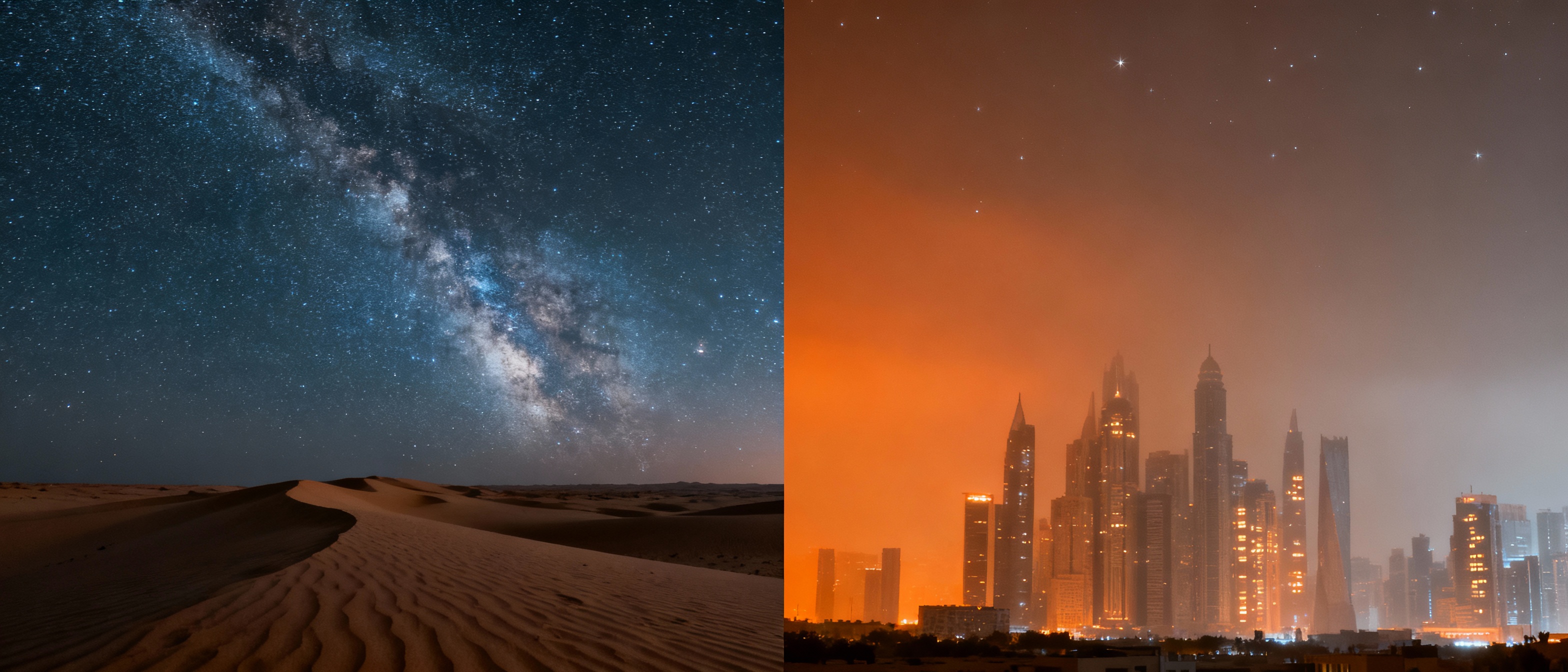
Each Bortle class represents a distinct level of sky darkness and observable detail. Class 1 skies, often found in remote reserves like NamibRand Nature Reserve, reveal the Milky Way’s structure, zodiacal light, and countless faint stars. By Class 3 (rural skies), the Milky Way remains vivid, but light domes from distant cities begin to appear on the horizon. Class 5 skies, typical of suburbs, show a muted Milky Way and limited deep-sky visibility. Class 7–8 urban skies drown out all but the brightest stars and planets. Class 9, the most severe, leaves even constellations like Orion fragmented. Understanding these distinctions helps astronomers tailor their goals—whether it’s hunting galaxies or simply enjoying the Big Dipper.
How to Determine Your Sky’s Bortle Class: Practical Tools and Techniques
Identifying your local Bortle class doesn’t require guesswork. Online resources like LightPollutionMap.info overlay the scale onto interactive maps, while apps such as Dark Sky Finder use GPS to pinpoint your rating. For a hands-on approach, try the “faintest star” test: locate specific stars in constellations like Ursa Minor and compare their visibility to Bortle’s criteria. Quantitative tools like Sky Quality Meters (SQMs) measure sky brightness in magnitudes per square arcsecond—a Class 1 sky reads 21.5–22.0, while Class 9 may dip below 18. Combining these methods provides a clear picture of your sky’s limitations and potential.
Observing Tips for Each Bortle Class: Maximizing Your Stargazing Experience
Your observing strategy should adapt to your Bortle class. In Class 1–2 areas, wide-field telescopes and nebula filters can unveil delicate structures like the Horsehead Nebula. Class 4–5 observers might focus on planets, double stars, and bright clusters like the Pleiades. Urban stargazers (Class 7–9) can still enjoy the Moon, Jupiter’s moons, or asterisms using binoculars. Light pollution filters that block sodium wavelengths enhance contrast in brighter skies. Regardless of location, allowing 20–30 minutes for dark adaptation and using red lights to preserve night vision are universal best practices.
The Role of Geography and Weather in Bortle Scale Variations
Your physical environment and local climate directly influence Bortle class accuracy. Elevated regions often escape low-lying light pollution, making mountain sites like Mauna Kea ideal for astronomy. Coastal areas benefit from unobstructed horizons but may contend with humidity. Seasonal changes also matter: winter skies are typically drier and darker, while summer’s haze amplifies light scatter. Even within the same Bortle class, a clear, moonless night in Death Valley outperforms a humid evening in Florida. Always cross-reference your Bortle rating with real-time weather and transparency reports.
Why the Bortle Scale Matters for Amateur and Professional Astronomers
Beyond individual stargazing, the Bortle Scale informs global efforts to combat light pollution. Organizations like the International Dark-Sky Association use it to advocate for protected areas. For researchers, knowing a site’s Bortle class helps prioritize observation time—saving costly telescope hours for faint targets. Citizen scientists contributing to projects like Globe at Night rely on the scale to standardize data. As urban sprawl intensifies, this classification system becomes vital for preserving humanity’s connection to the stars.
Real-World Examples: Iconic Observing Sites and Their Bortle Ratings
Iconic dark-sky locations exemplify the Bortle Scale’s extremes. Cherry Springs State Park (Class 2) offers East Coast residents access to zenithal Milky Way detail. At the other end, Times Square’s Class 9 sky obscures all but the Moon and Venus. Mid-range examples include rural bed-and-breakfasts (Class 4) where the summer Milky Way remains visible but lacks structure. These benchmarks help travelers plan astrotourism adventures with realistic expectations.
Transitioning Between Bortle Classes: What to Expect as Light Pollution Changes
Moving between Bortle classes—whether relocating or during temporary travel—requires adjusting to shifting celestial vistas. A drop from Class 6 to 3 reveals ten times more stars and makes the Andromeda Galaxy naked-eye visible. Conversely, urban dwellers visiting dark sites often marvel at the sheer density of stars unrecognizable from home. Seasonal factors like holiday lighting can temporarily worsen local ratings, highlighting the dynamic nature of light pollution.
Beyond the Bortle Scale: Other Factors Affecting Night Sky Visibility
While invaluable, the Bortle Scale isn’t exhaustive. Airborne particles from wildfires or volcanoes can degrade visibility even in dark zones. Conversely, auroras or meteor showers may enhance bright-sky viewing. Lunar phases dramatically affect observations—plan targets like deep-sky objects around the new moon. Personal factors like age (pupil shrinkage reduces light intake) and experience (trained observers spot fainter details) also play roles. Pairing the Bortle Scale with lunar calendars and transparency forecasts offers a holistic approach to stargazing.