Composition Rules for Night Landscapes
```html
Understanding Light and Shadow in Night Landscapes
Night landscapes challenge photographers to rethink light. Unlike daylight scenes, darkness dominates, and artificial or natural light sources become focal points. The interplay between illuminated areas and shadows defines the mood. For instance, a cityscape’s warm streetlights contrast with cool twilight skies, creating depth. Position your camera to capture gradients in the sky—like deep indigo transitioning to amber near the horizon—to avoid flat compositions. Use bracketed exposures if highlights (e.g., lamps) overpower shadows.
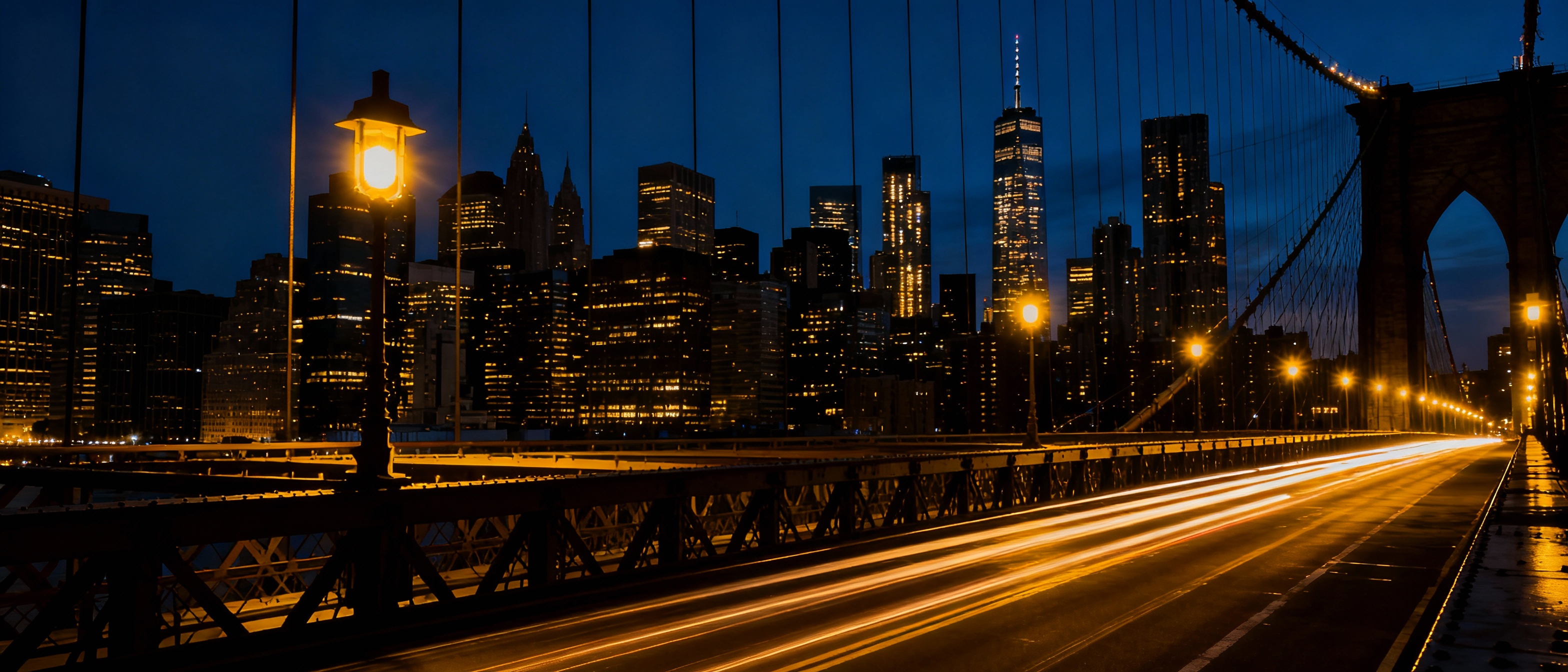
Applying the Rule of Thirds to Nocturnal Scenes
The rule of thirds remains vital at night but adapts to low-light dynamics. Place key elements—a crescent moon, a lone tree, or a lighthouse beam—at intersection points. For starry skies, align the Milky Way along a vertical grid line. Balance light sources with dark zones; a brightly lit building in the lower third offsets an expansive sky. Avoid centering horizons: position them either one-third from the top (emphasizing land) or bottom (highlighting the sky).
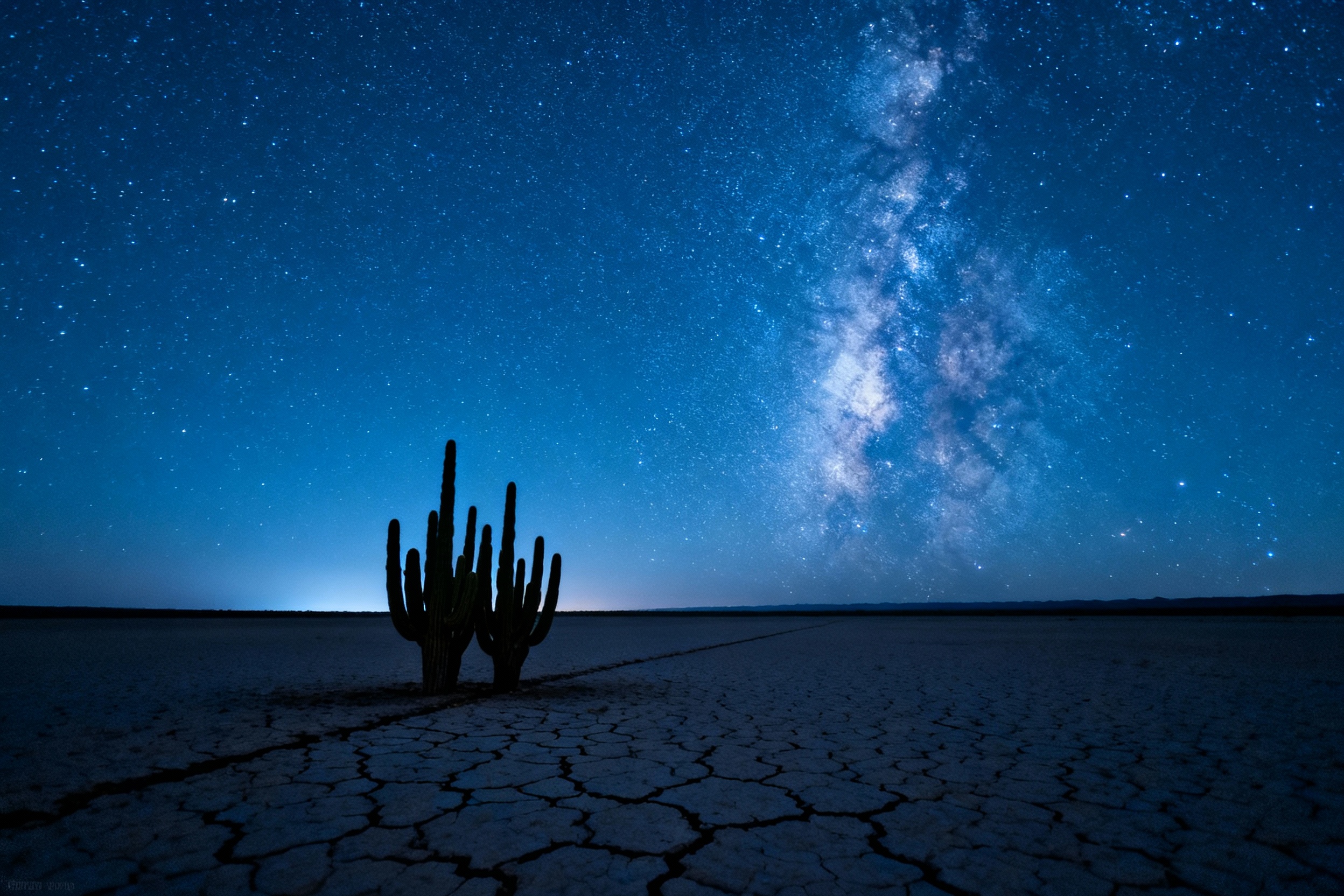
Using Leading Lines to Guide the Viewer’s Eye
Leading lines become crucial in darkness. Roads lit by streetlamps, rivers reflecting moonlight, or railway tracks vanishing into shadows direct attention. Diagonal lines add energy—think bridges or shorelines angling toward a distant city glow. Incorporate natural frames, like overhanging branches, to create layers. In long exposures, light trails from vehicles can serve as dynamic lines.
Mastering Long Exposure for Ethereal Effects
Long exposure transforms nightscapes. Use a tripod and shutter speeds of 15-30 seconds to capture star movements or smooth water reflections. For star trails, aim for 5+ minutes. Neutral density filters help balance exposures in moonlight. Experiment with partial motion: blurred clouds over a sharp foreground adds contrast. Avoid overexposing highlights by checking histograms.
Balancing Color Temperatures in Mixed Lighting
Night scenes often combine warm (tungsten, candlelight) and cool (moonlight, LED) tones. Adjust white balance manually—around 3500K preserves blues while keeping warmth. Use gels on artificial lights if possible. In post-processing, split-toning can harmonize contrasts: add teal to shadows and orange to highlights for a cinematic feel.
Incorporating Foreground Interest for Depth
Foreground elements anchor night compositions. Use rocks, flowers, or architecture lit by a flashlight or ambient light. Silhouettes work well against bright backgrounds. For star photography, include a tent or person with a headlamp to add scale. Focus stacking ensures both foreground and stars are sharp.
Balancing Sky and Land in Low-Light Compositions
Avoid “empty” skies by including elements like constellations or auroras. If the sky lacks interest, emphasize the land with artificial lights or textured terrain. Use graduated ND filters to balance exposure. For minimalist shots, position a single light source (a cabin window, a campfire) against vast darkness.
Post-Processing Techniques for Night Photography
Enhance details without introducing noise. Use masking to selectively boost shadows or highlights. Reduce chromatic aberration around stars. Stack images for noise reduction. Add subtle vignettes to direct focus. Avoid oversaturating colors—keep skies natural unless aiming for surrealism.