Creating Starless Nebula Images
```html
Understanding the Art and Science of Starless Nebula Imaging
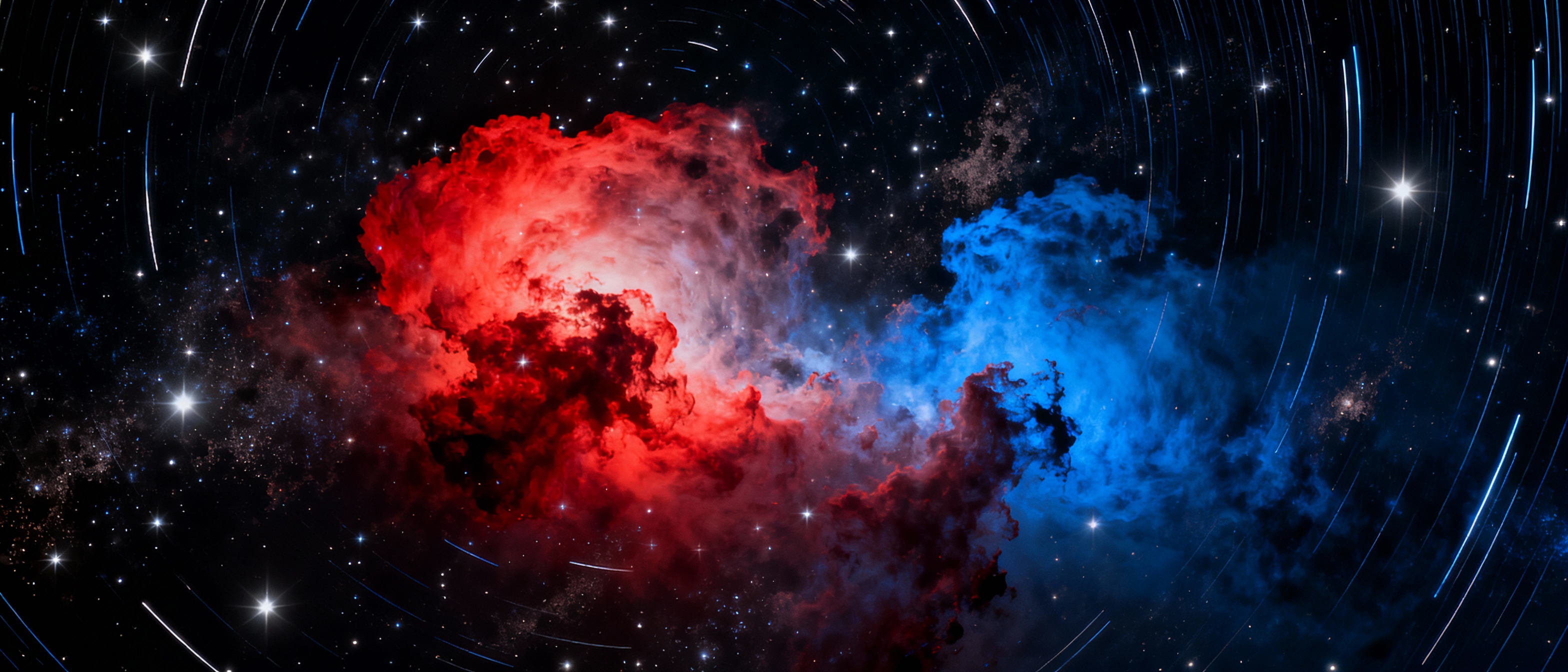
Capturing the ethereal beauty of nebulae has long fascinated astrophotographers, but removing stars from these cosmic vistas presents a unique challenge. Starless nebula images emphasize the delicate gas clouds and intricate dust structures often overshadowed by bright stars. This technique not only highlights hidden details but also allows for artistic reinterpretation of celestial objects. The process blends technical precision with creative vision, requiring an understanding of both astrophysics and image-editing tools.
The Technical Foundations: Why Remove Stars?
Stars in astrophotos create glare and light pollution that obscure faint nebula structures. Removing them involves isolating luminance data from RGB channels, often using specialized software like Starnet++ or Photoshop. This process preserves the nebula’s spectral information while eliminating point light sources. The result is a cleaner canvas for studying dust filaments or enhancing colors—ideal for scientific analysis and creating visually striking compositions.
Tools of the Trade: Software for Star Removal
Popular tools include PixInsight’s Morphological Transformation , Russell Croman’s StarXTerminator , and AI-based solutions like Starnet AI . Each software employs unique algorithms: some use pattern recognition to identify stars, while others analyze pixel luminosity gradients. Hybrid workflows combining multiple tools often yield the best results, especially for complex regions like the Orion Nebula where stars cluster densely within gas clouds.
Step-by-Step Workflow for Starless Images
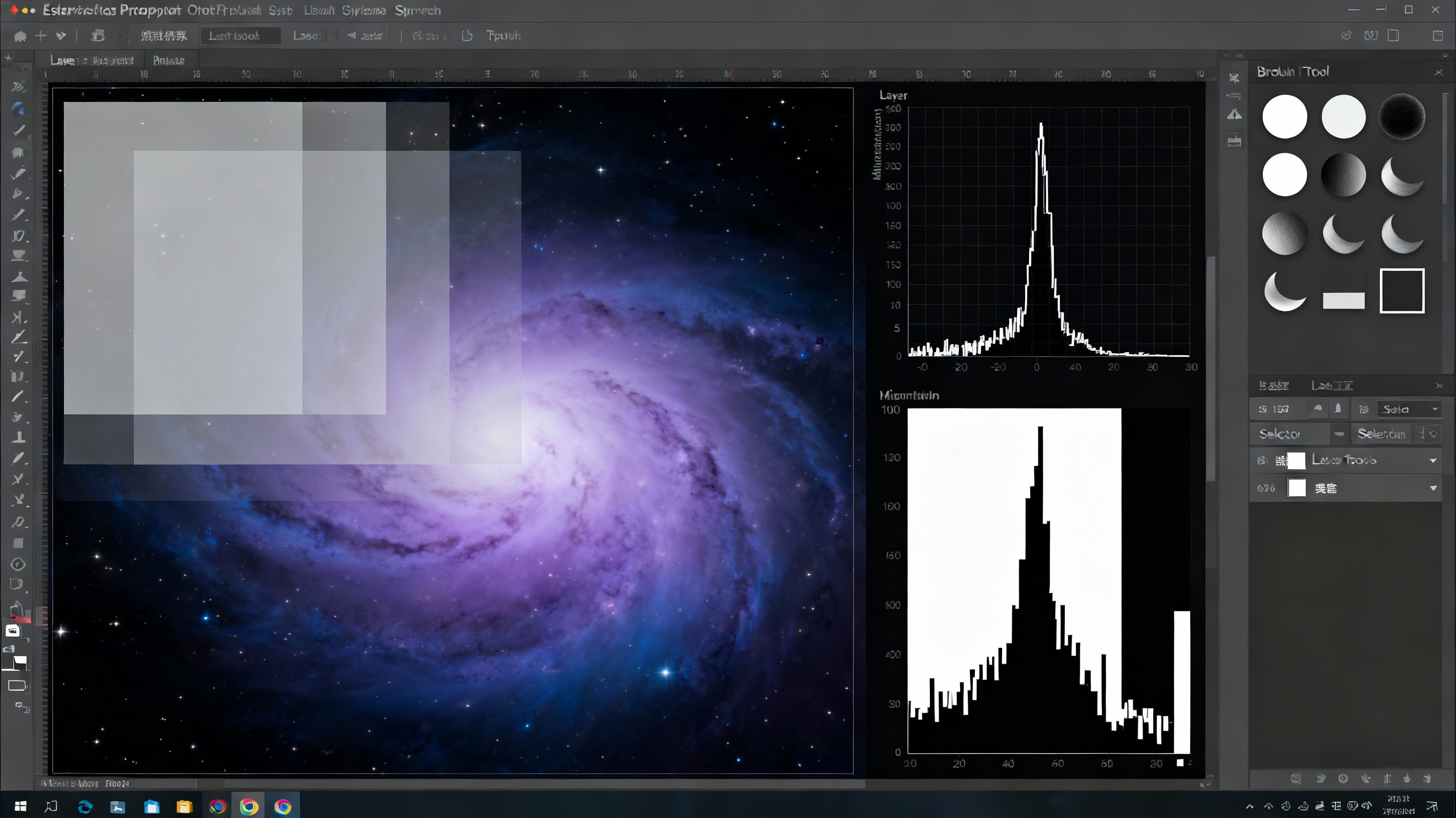
Begin with calibrated, stacked TIFF files. Use a star mask to protect nebula details while applying reduction algorithms. Adjust layer opacities to balance removal intensity. For residual star halos, employ frequency separation techniques. Always preserve the original data layer for non-destructive editing. Critical tip: Process Ha (hydrogen-alpha) and OIII (oxygen-III) narrowband data separately to maintain spectral integrity.
Aesthetic Choices: Enhancing Nebula Details
With stars removed, attention shifts to amplifying faint structures. Use curves adjustments to boost contrast in dust lanes. Apply localized dodging/burning to highlight 3D dimensionality. Color mapping can shift palettes toward Hubble-style interpretations (SHO) or naturalistic RGB balances. Strategic noise reduction ensures smooth gradients without losing textural nuances.
Ethical Considerations in Astrophoto Manipulation
While star removal is accepted in scientific and artistic circles, transparency is key. Always disclose editing steps when sharing images. Avoid over-saturating colors or inventing structures not present in the raw data. The goal should be to reveal the nebula’s inherent beauty, not create celestial fiction.
Pushing Boundaries: AI and the Future of Nebula Imaging
Emerging machine learning models can predict and reconstruct nebula structures obscured by stars or noise. Tools like NVIDIA’s Noise2Noise are adapting for astro use cases. However, human oversight remains crucial to ensure these enhancements align with observational truth rather than algorithmic fantasy.
Conclusion: Bridging Science and Art
Starless nebula imaging isn’t about erasing celestial reality—it’s about refining our view into the universe’s hidden architecture. By mastering these techniques, astrophotographers become visual translators, converting raw photon data into portals for human wonder.