DSLR vs Mirrorless: Best Starter Astrophoto
```html
Understanding the Basics: DSLR and Mirrorless Cameras
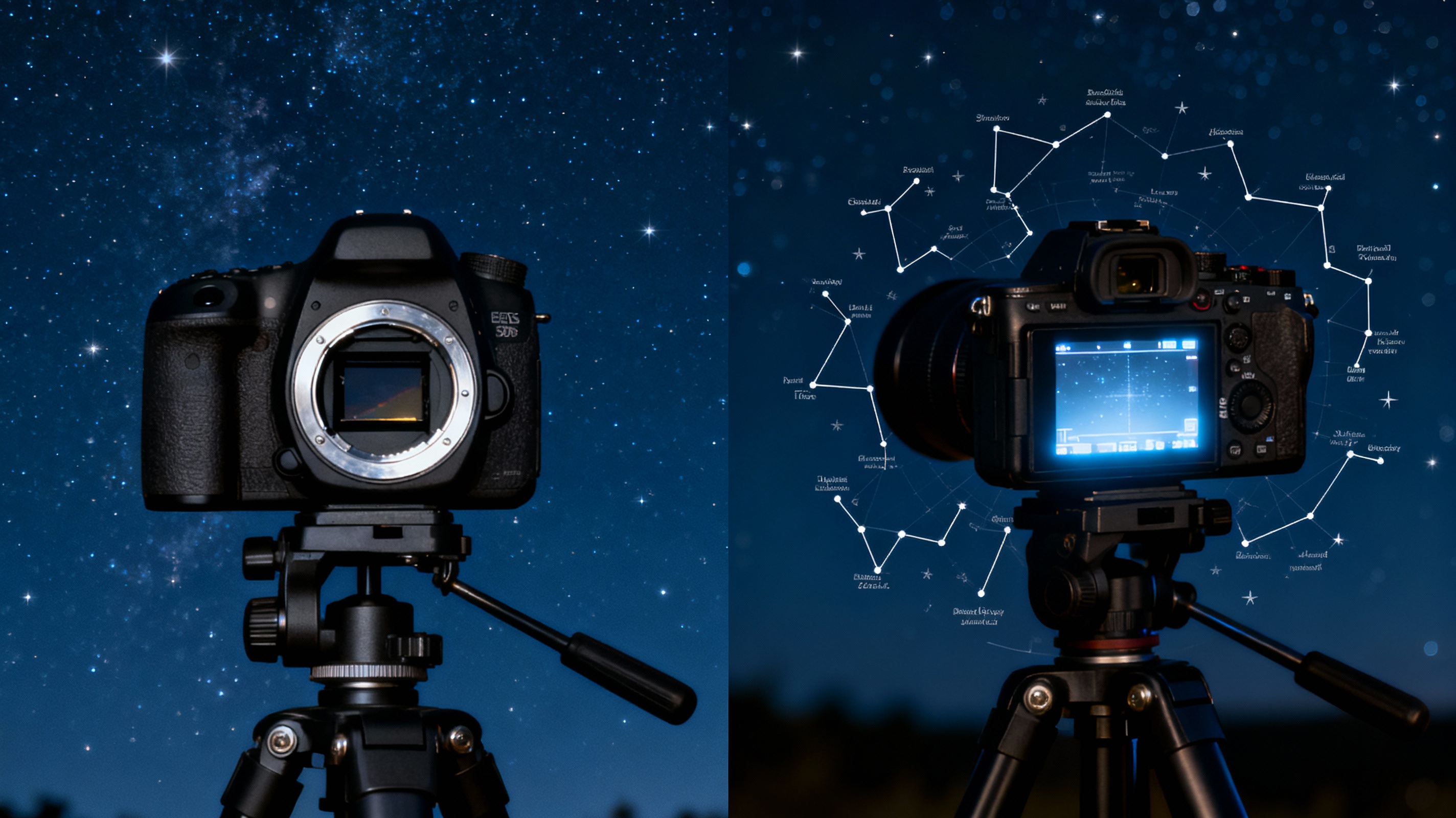
When diving into astrophotography, understanding the core differences between DSLR and mirrorless cameras is essential. DSLRs (Digital Single-Lens Reflex) use a mirror mechanism to reflect light from the lens into an optical viewfinder. This design has been the industry standard for decades, offering reliability and a vast ecosystem of lenses. Mirrorless cameras, however, eliminate the mirror, relying on electronic viewfinders (EVFs) to display a digital preview. This reduces bulk and weight while enabling real-time exposure adjustments—a boon for capturing faint celestial objects.
Sensor Performance and Low-Light Capability
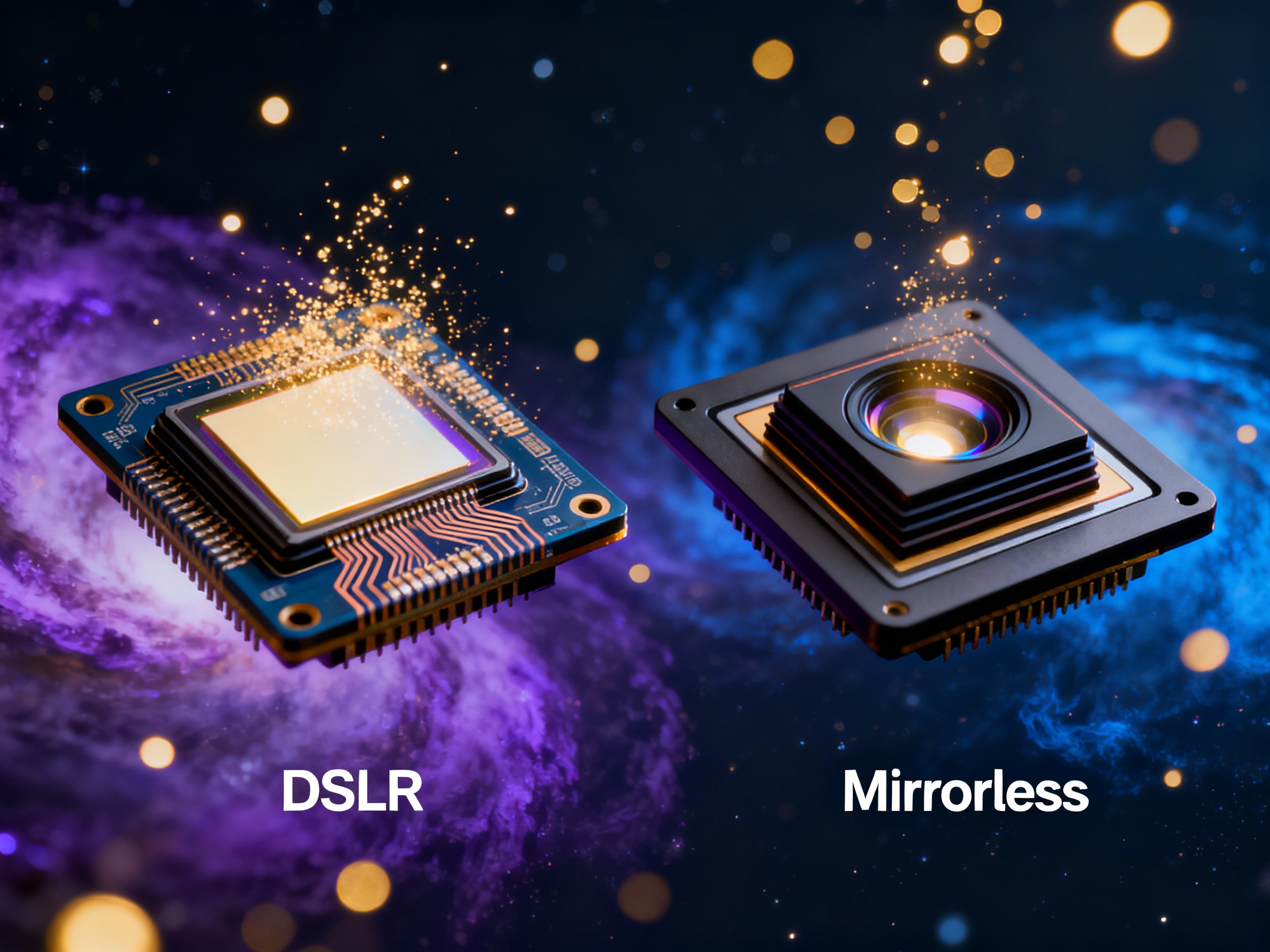
Astrophotography demands exceptional low-light performance, making sensor quality a critical factor. Both DSLR and mirrorless cameras offer APS-C and full-frame sensors, but newer mirrorless models often include backside-illuminated (BSI) sensors that enhance light-gathering efficiency. For example, Sony’s a7S III excels in capturing Milky Way details due to its high ISO range and reduced noise. DSLRs like the Canon EOS Ra, optimized for astrophotography with a modified infrared filter, remain competitive but may struggle with older sensor tech.
Size, Weight, and Portability
Transporting gear to remote dark-sky locations is a practical concern. Mirrorless cameras, lacking the mirror box, are typically 20-30% lighter and more compact than DSLRs. This makes them ideal for backpacking or mounting on smaller star trackers. However, some photographers argue that the heft of a DSLR provides stability during long exposures. Consider your shooting style: a mirrorless camera like the Fujifilm X-T5 balances portability with performance, while a DSLR like the Nikon D850 might require a sturdier tripod.
Lens Selection and Versatility
Lens compatibility shapes creative flexibility. DSLRs benefit from decades of existing lenses, including affordable manual-focus options perfect for astro work. Mirrorless systems, while newer, offer adapters to use DSLR lenses and increasingly robust native lineups. For example, the Sony E-mount series includes fast primes like the 14mm f/1.8 GM, ideal for capturing the Northern Lights. Budget-conscious beginners might prefer DSLRs for access to used lenses, but mirrorless adapters bridge the gap.
Autofocus and Manual Control Ease
Focusing on stars demands precision. Mirrorless cameras often outperform DSLRs here, thanks to features like focus peaking and magnification in EVFs. Real-time exposure simulations also help frame shots correctly before taking them. DSLRs rely on optical viewfinders, which can make manual focusing tedious in the dark. However, some astrophotographers prefer the tactile feedback of DSLR controls, like dedicated ISO dials, which reduce menu diving during freezing nights.
Battery Life and Durability in Field Conditions
DSLRs traditionally dominate battery life, as optical viewfinders consume less power than EVFs. A Canon 5D Mark IV can shoot for hours on a single charge, crucial for time-lapses. Mirrorless cameras, like the Panasonic Lumix S5 II, have improved battery tech but may require spares for all-night shoots. Durability is another consideration: both systems offer weather-sealed models, but DSLRs often have a reputation for ruggedness honed over decades of field use.
Cost Considerations for Beginners
Entry-level DSLRs like the Nikon D3500 offer a budget-friendly gateway, often bundled with kits under $500. Mirrorless options, such as the Canon EOS R10, start higher but include newer tech. Factor in additional costs: fast lenses, trackers, and software. Used DSLR markets can reduce expenses, while mirrorless systems might require investing in future-proof accessories. Balance upfront costs against long-term needs—if astrophotography becomes a passion, mirrorless’s growing ecosystem may justify the spend.
Future-Proofing and Technological Advancements
Mirrorless cameras are at the forefront of innovation, with brands prioritizing features like in-body stabilization (IBIS) and AI-driven tracking for astrophotography. DSLR development has slowed, with manufacturers shifting R&D to mirrorless. Investing in a mirrorless system today ensures compatibility with upcoming lenses and firmware updates. However, DSLRs remain viable for those who value proven reliability over cutting-edge tech.
Astrophotography Accessories and Compatibility
Essential accessories—intervalometers, star trackers, and light pollution filters—work with both systems, but compatibility varies. Mirrorless cameras often include built-in intervalometers, reducing cable clutter. Star trackers like the iOptron SkyGuider Pro require lightweight setups, favoring mirrorless. For deep-sky imaging, DSLRs may need mods to enhance hydrogen-alpha sensitivity, while mirrorless models like the Sony a6400 offer better out-of-the-box performance.
Making the Choice: Real-World Scenarios
Your decision hinges on priorities. If portability and tech advancements matter, mirrorless is compelling. For budget-friendly reliability, DSLRs shine. Test both systems if possible: rent a mirrorless for a weekend under the stars or borrow a friend’s DSLR. Remember, the best camera is the one you’ll use consistently to learn and grow in this rewarding hobby.