Finding Dark Sky Locations Near Cities
```html
The Importance of Dark Sky Preservation
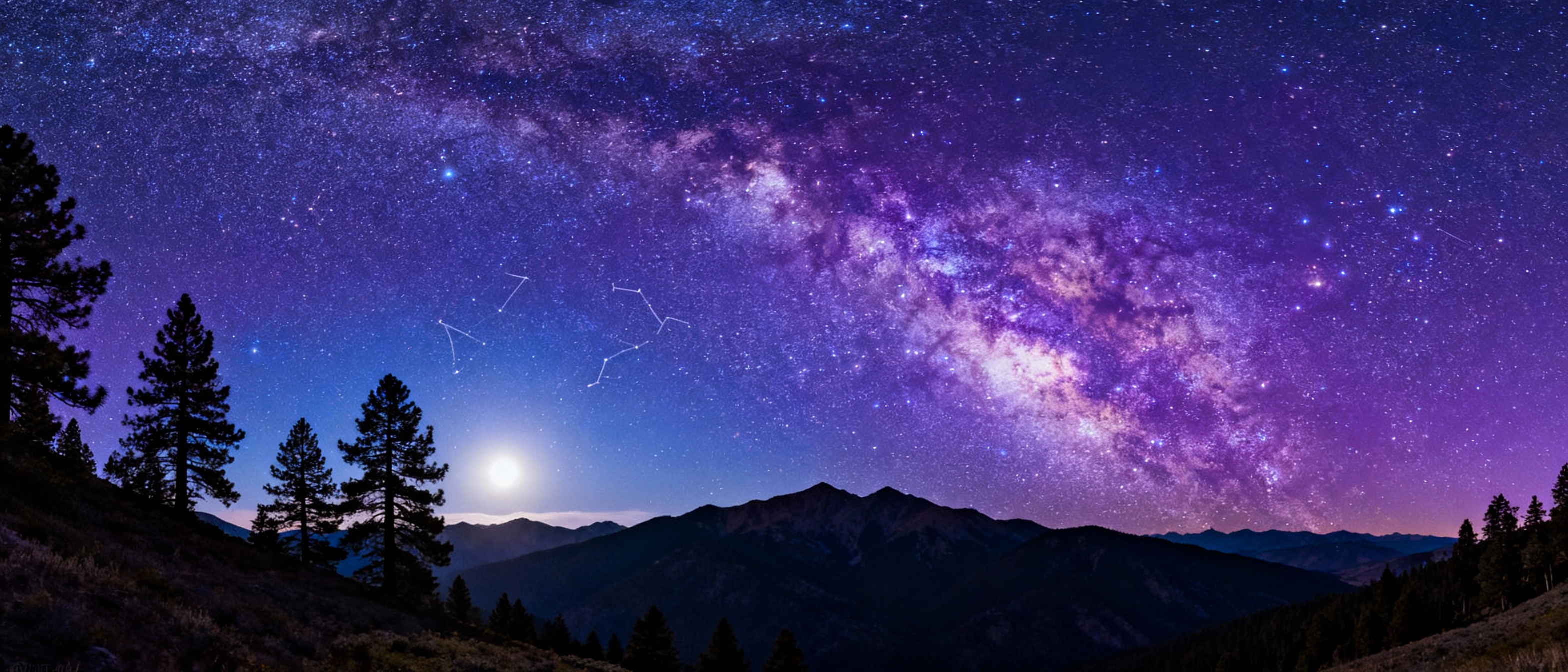
Urbanization has cloaked much of the world in artificial light, obscuring the celestial wonders above. Dark sky preservation isn’t just about stargazing—it’s a movement to protect our natural heritage, support ecosystems, and reconnect with the cosmos. Light pollution disrupts wildlife migration, affects human circadian rhythms, and wastes energy. By seeking out dark sky locations, even near cities, we reclaim a connection to the universe that has inspired humanity for millennia.
The Challenges of Urban Light Pollution
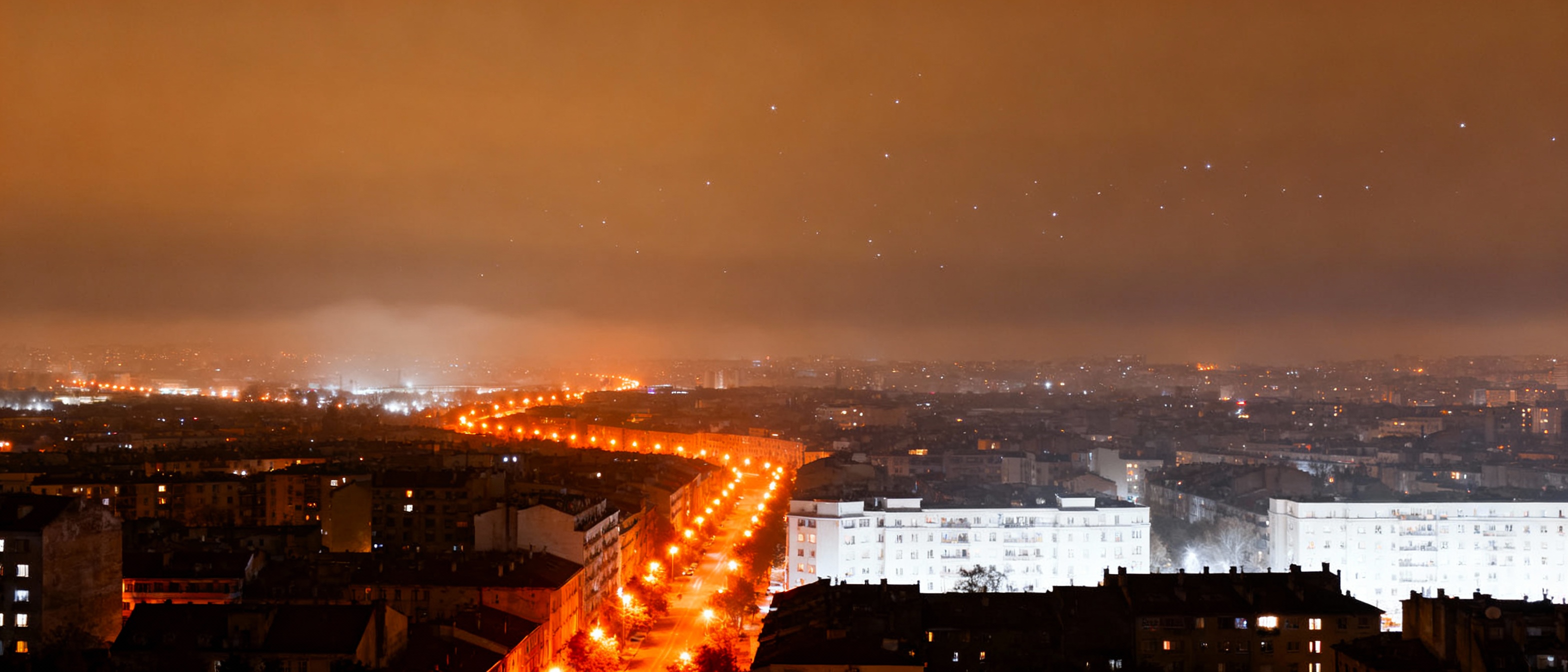
Cities emit a relentless glow that drowns out stars, creating “skyglow” visible for hundreds of miles. This artificial brightness disrupts nocturnal animals, masks celestial events, and even impacts human health. According to the International Dark-Sky Association, 80% of North Americans cannot see the Milky Way from their homes. Overcoming this challenge requires awareness, urban planning reforms, and accessible alternatives for city dwellers to experience pristine skies.
What Defines a Dark Sky Location?
Dark sky locations are designated areas with minimal light pollution, certified by organizations like the International Dark-Sky Association (IDA). These include parks, reserves, and communities that adhere to strict lighting guidelines. Criteria involve measuring sky quality (using the Bortle Scale), ensuring natural darkness, and promoting education. Such locations offer a glimpse into pre-industrial nights, where the Milky Way is visible to the naked eye.
How to Find Dark Sky Locations Near Major Cities
Many cities have hidden gems within a two-hour drive. Use light pollution maps like LightPollutionMap.info to identify darker regions. National and state parks often serve as refuges—for example, Cherry Springs State Park near Philadelphia offers some of the East Coast’s darkest skies. Research local astronomy clubs, which frequently host stargazing events in accessible rural areas just beyond urban sprawl.
Tools and Technology for Dark Sky Exploration
Modern apps like SkyView and Star Walk help identify constellations, planets, and satellites. A portable telescope or binoculars enhance deep-sky viewing, while a red-light flashlight preserves night vision. For photographers, tools like PhotoPills calculate Milky Way positioning. Websites like DarkSiteFinder provide curated lists of nearby dark sky spots, ensuring even city residents can plan impromptu celestial escapes.
Preparing for Your Dark Sky Adventure
Timing is crucial: aim for moonless nights and clear weather. Pack layers, a reclining chair, and snacks. Allow 20 minutes for eyes to adjust to darkness. Familiarize yourself with the night’s celestial events—meteor showers, planetary alignments, or ISS passes. Always check park regulations; some dark sky sites require permits or close after sunset. Respect the environment by minimizing light and noise.
Capturing the Night: Astrophotography Tips
Use a DSLR camera with manual settings: start with a wide-angle lens, ISO 1600-3200, and 20-second exposures. A sturdy tripod prevents blur. Shoot in RAW format for post-processing. Frame foreground elements like trees or mountains to add depth. Apps like NightCap assist with focus in low light. Experiment with stacking multiple exposures to reduce noise and reveal faint nebulae.
Spotlight: Notable Dark Sky Locations Near Cities
Joshua Tree National Park, two hours from Los Angeles, offers stark desert skies. Near Chicago, the Indiana Dunes National Park provides Lake Michigan vistas under starry skies. Texas’s Enchanted Rock State Natural Area, 90 minutes from Austin, boasts granite dome views of the galaxy. These sites prove that escaping urban glow doesn’t require cross-country journeys—just a willingness to explore the outskirts.
Advocating for Dark Skies in Urban Communities
Reduce home light pollution by installing shielded, warm-toned outdoor fixtures. Support local “lights-out” initiatives during bird migrations. Petition city councils to adopt IDA-approved streetlights that direct light downward. Join citizen science projects like Globe at Night to measure urban sky brightness. Collective action can restore glimpses of the cosmos even in metropolitan areas.
Embracing the Night Sky: A Journey Beyond City Lights
Venturing into dark skies rekindles awe for the universe’s scale and beauty. It’s a reminder that, despite urban life’s pace, we remain part of a vast cosmic tapestry. By seeking darkness, we not only witness galaxies millennia old but also ignite a commitment to preserving these vanishing sanctuaries for future generations.