Fixing Chromatic Aberration in Astro Lenses
```html
Understanding Chromatic Aberration in Astronomical Imaging
Chromatic aberration (CA), often referred to as "color fringing," occurs when a lens fails to focus all wavelengths of light onto the same focal plane. This optical imperfection is particularly problematic in astrophotography, where capturing crisp, high-contrast images of stars, nebulae, and galaxies is paramount. Unlike daytime photography, where CA might be masked by ambient light or corrected in post-processing, night skies magnify these flaws. The phenomenon stems from dispersion—the tendency of glass elements within a lens to bend different wavelengths (colors) at varying angles. For example, blue light refracts more sharply than red, creating mismatched focal points and resulting in unsightly halos around celestial objects.

How Chromatic Aberration Distorts Astrophotography Results
In astro imaging, even minor chromatic aberration can degrade the scientific and aesthetic value of a photograph. Stars may appear as tiny blobs with magenta or cyan outlines, while high-contrast edges—like the limb of the Moon or planetary surfaces—exhibit color bleeding. Wide-angle lenses, often favored for Milky Way photography, are especially prone to lateral chromatic aberration near frame edges. Longitudinal CA, common in fast-aperture lenses, creates a smearing effect in out-of-focus regions, such as the corners of a nebula. These distortions not only reduce sharpness but also complicate calibration processes like stacking, where misaligned color channels introduce noise during alignment.
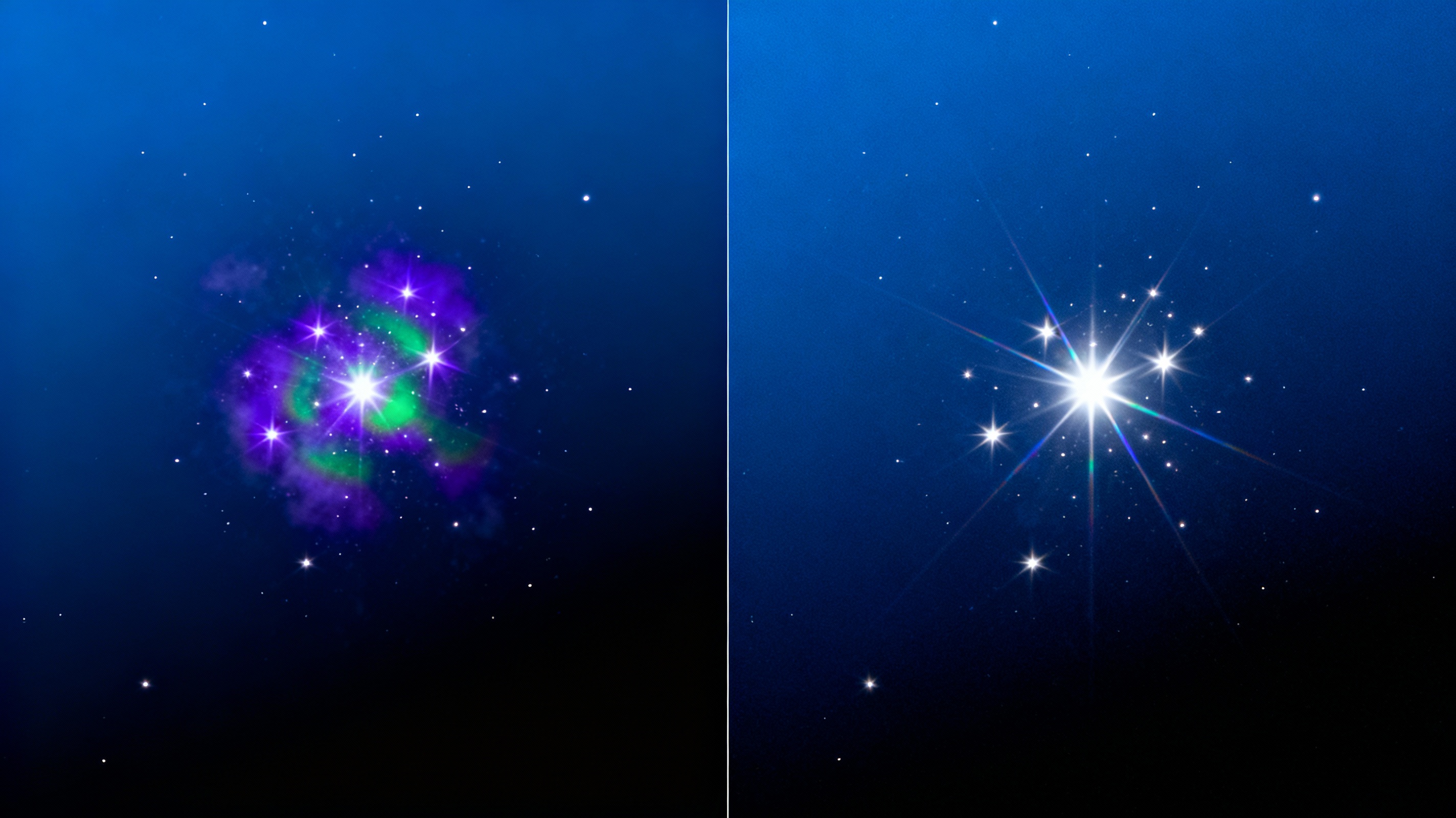
Lens Design Solutions: APO and ED Glass Explained
Lens manufacturers combat chromatic aberration through advanced optical designs. Apochromatic (APO) lenses incorporate exotic materials like fluorite or Extra-Low Dispersion (ED) glass to realign divergent wavelengths. ED glass minimizes dispersion by up to 95% compared to standard optics, while fluorite’s unique crystalline structure provides exceptional refractive control. For instance, Takahashi’s FSQ-106ED uses a quadruplet field flattener to neutralize CA across its 106mm aperture, making it a favorite among deep-sky imagers. However, these technologies increase cost and weight—trade-offs that necessitate careful consideration for mobile astrophotographers.
Post-Processing Techniques to Fix Color Fringing
Software tools like Adobe Lightroom and PixInsight offer targeted solutions for chromatic aberration removal. Lightroom’s “Defringe” tool uses eyedropper sampling to identify and neutralize fringe colors, while PixInsight’s ChannelMatch script aligns RGB channels pixel-by-pixel. For severe cases, isolating problematic color layers in Photoshop and applying manual shifts can salvage otherwise unusable data. A growing trend involves AI-driven correction—software like Topaz AI trained on thousands of aberrated astrophotos to predict and subtract fringing patterns. However, these methods risk oversmoothing fine details, underscoring the importance of capturing clean initial data.
Field Strategies: Minimizing Aberration During Shoots
Proactive measures in the field can drastically reduce reliance on post-processing. Stopping down a lens by 1-2 stops (e.g., from f/2.8 to f/4) often mitigates longitudinal CA, as narrower apertures increase depth of field. Using light pollution or narrowband filters, such as H-alpha or OIII, restricts the spectrum captured, minimizing wavelength divergence. Additionally, focusing manually using live view magnification on a star ensures optimal focal alignment for the target wavelength. Some astrophotographers employ bahtinov masks to achieve pinpoint focus, while others test lenses beforehand on high-contrast terrestrial targets like tree branches against bright skies.
Future Innovations in Lens Technology for Astronomy
Emerging technologies promise near-elimination of chromatic aberration. Meta-lenses—ultra-thin surfaces etched with nanostructures—can precisely control light without traditional glass drawbacks. Researchers at Caltech recently demonstrated a meta-lens capable of focusing RGB wavelengths simultaneously, a breakthrough for compact telescopes. Hybrid systems combining adaptive optics with real-time CA correction algorithms are also in development, leveraging GPU processing to adjust lens elements dynamically during exposures. As these innovations trickle into consumer markets, they may revolutionize how astrophotographers tackle optical imperfections.