Foreground Lighting Techniques
```html
Understanding Foreground Lighting in Visual Composition
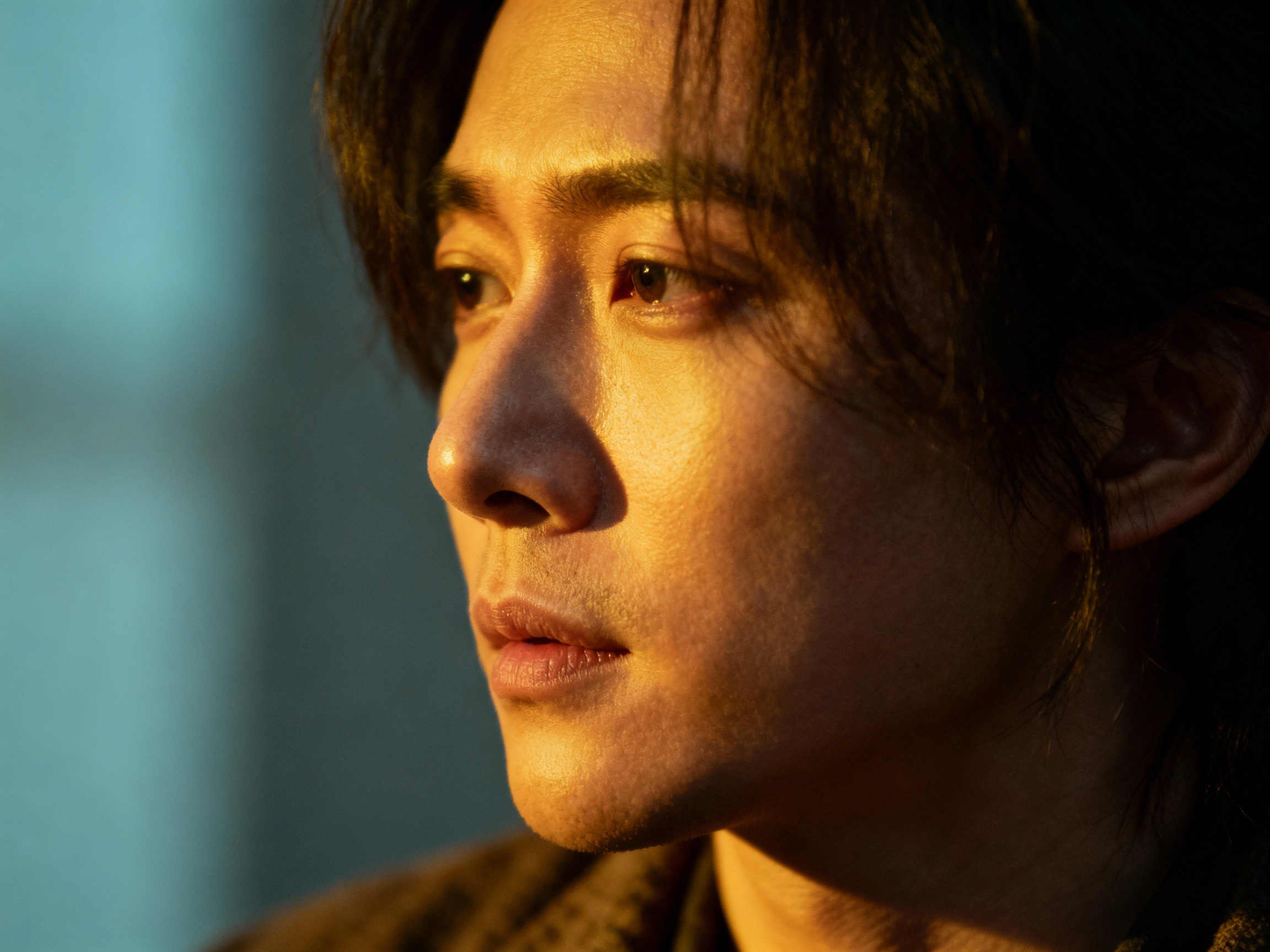
Foreground lighting is the cornerstone of visual storytelling, shaping how subjects interact with their environment. Unlike ambient or background lighting, which sets the scene’s overall tone, foreground lighting directs attention to specific elements—faces, objects, or textures—creating depth and dimension. Whether in photography, film, or digital art, mastering foreground lighting ensures subjects remain vibrant and emotionally resonant. By manipulating intensity, angle, and color, artists can evoke moods ranging from intimacy to tension, turning flat scenes into immersive experiences.
The Three-Point Lighting System: A Foundational Approach
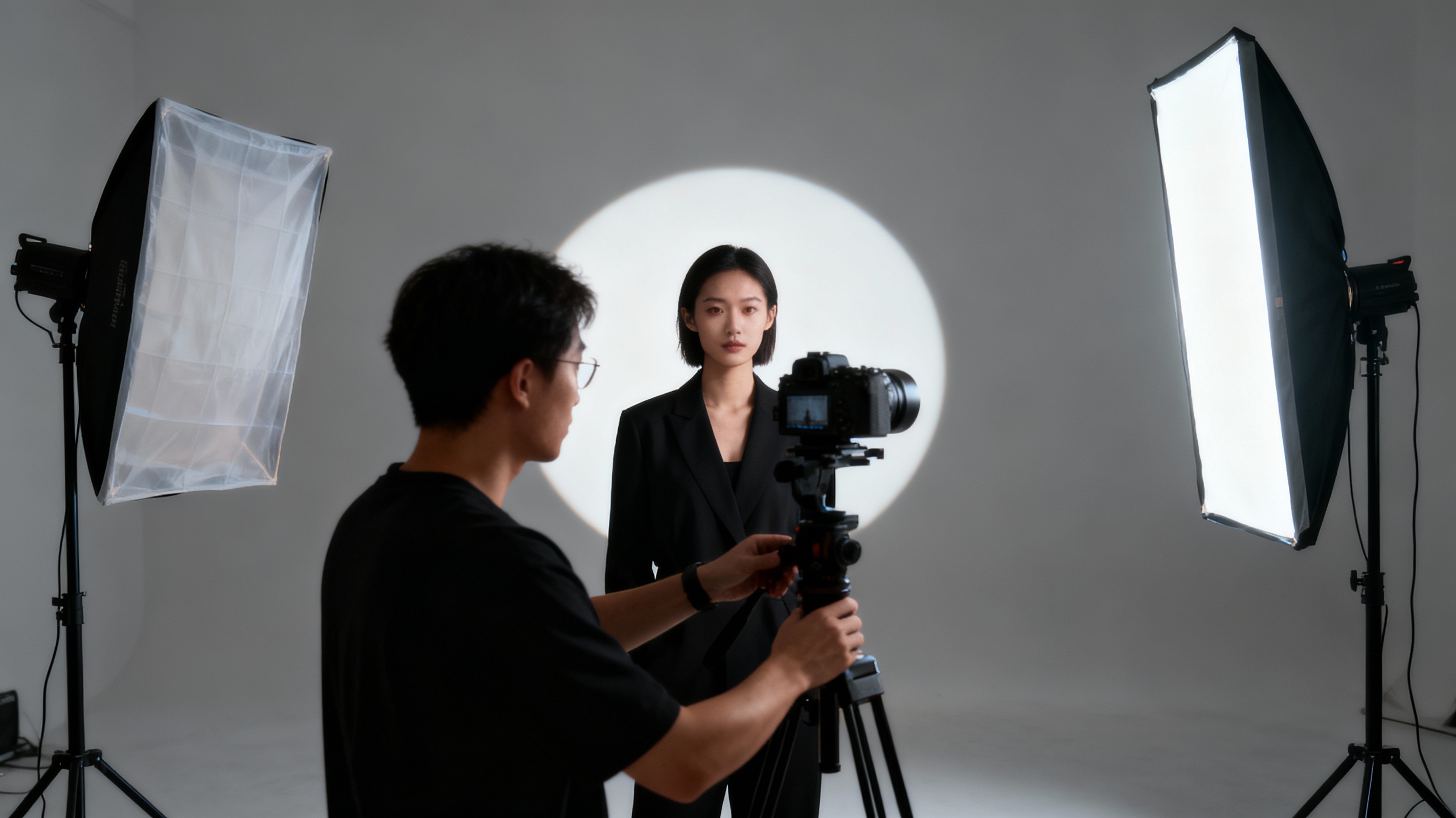
The three-point lighting system—comprising key, fill, and back lights—is a staple in both photography and cinematography. The key light, positioned at a 45-degree angle to the subject, provides primary illumination. A fill light, placed opposite, softens shadows without eliminating contrast. Finally, a back light separates the subject from the background, adding depth. This triad creates balanced yet dynamic visuals. For instance, in interview setups, it ensures the subject’s features are well-defined while maintaining a naturalistic feel. Adjusting the ratio between key and fill lights allows flexibility: reduce fill for dramatic shadows or increase it for softer, even tones.
Using Color Temperature to Evoke Emotion
Color temperature transforms how audiences perceive a scene. Warm tones (2700K–3500K) evoke comfort or nostalgia, ideal for intimate dialogues or sunset portraits. Cool tones (5000K–6500K) suggest sterility or suspense, often used in thrillers or tech commercials. Mixing temperatures can heighten contrast: a warm-lit subject against a cool-blue background creates visual tension. For example, a candlelit dinner scene gains authenticity with orange highlights, while moonlight streaming through a window adds eerie realism. Modern LED panels offer adjustable temperatures, empowering creators to shift moods seamlessly within a single shoot.
Incorporating Practical Lights for Authenticity
Practical lights—actual light sources within a scene, like lamps or neon signs—blend functionality with aesthetics. They anchor lighting in reality, making environments feel lived-in. A desk lamp in a noir film not only illuminates the detective’s face but also casts dramatic, directional shadows. Christmas lights in a portrait session add playful bokeh effects. To avoid overexposure, dimmers or diffusion gels soften practicals. In horror, a flickering bulb builds unease, while in romances, string lights create whimsy. The key is balancing their brightness with the primary lighting setup to maintain focus on the subject.
Harnessing Shadows for Dramatic Effect
Shadows are not mere absences of light—they’re tools for sculpting emotion. Hard shadows, created by small, intense light sources, amplify drama and texture, perfect for highlighting wrinkles or architectural details. Soft shadows, from diffused lights, offer subtlety, smoothing skin tones in beauty shots. Silhouettes, achieved by backlighting, strip subjects to their essence, ideal for minimalist storytelling. In dance performances, gobo projectors cast patterned shadows that move with performers, adding layers of visual rhythm. Embrace negative space: a shadow stretching across an empty hallway can evoke loneliness or anticipation.
Optimizing Light with Reflective Surfaces
Reflective materials—mirrors, water, or metallic textures—multiply light’s impact. A mirror placed opposite a window bounces natural light onto a subject’s shadowed side, reducing harsh contrasts. In product photography, acrylic sheets under a watch create sleek reflections, doubling its visual presence. Water surfaces in outdoor scenes add shimmer, transforming mundane landscapes into ethereal vistas. Control is key: use black flags to block unwanted reflections or polarizing filters to manage glare. For ethereal effects, fog machines scatter light, creating volumetric beams that enhance depth and mystery.
Final Thoughts: Experimentation as the Key to Mastery
Foreground lighting thrives on experimentation. Test unconventional angles—a flashlight held below the chin for campfire-like horror effects. Layer multiple light sources: combine LED panels with practicals for dynamic interiors. Use gels to tint shadows purple or green, pushing creative boundaries. Analyze films like Blade Runner 2049 , where neon-punched foregrounds contrast with smoky backgrounds, or Gregory Crewdson’s photos, where twilight hues evoke suburban surrealism. Tools evolve, but the principles remain: light directs the eye, shadows whisper subtext, and color speaks to the subconscious. Embrace mistakes; often, they reveal techniques no manual can teach.