Minimizing Dew on Lenses & Sensors
```html
Understanding Dew Formation on Camera Equipment
Dew forms when moisture in the air condenses on surfaces cooler than the surrounding environment. For photographers working in humid or cold conditions, this natural phenomenon can wreak havoc on lenses and sensors. When warm, moisture-laden air contacts a cold lens surface, it reaches the dew point—the temperature at which air becomes saturated and releases water vapor as droplets. This process is exacerbated during transitions between environments, such as moving from a heated car to a frosty morning shoot. Understanding the physics behind dew is the first step in combating its effects.
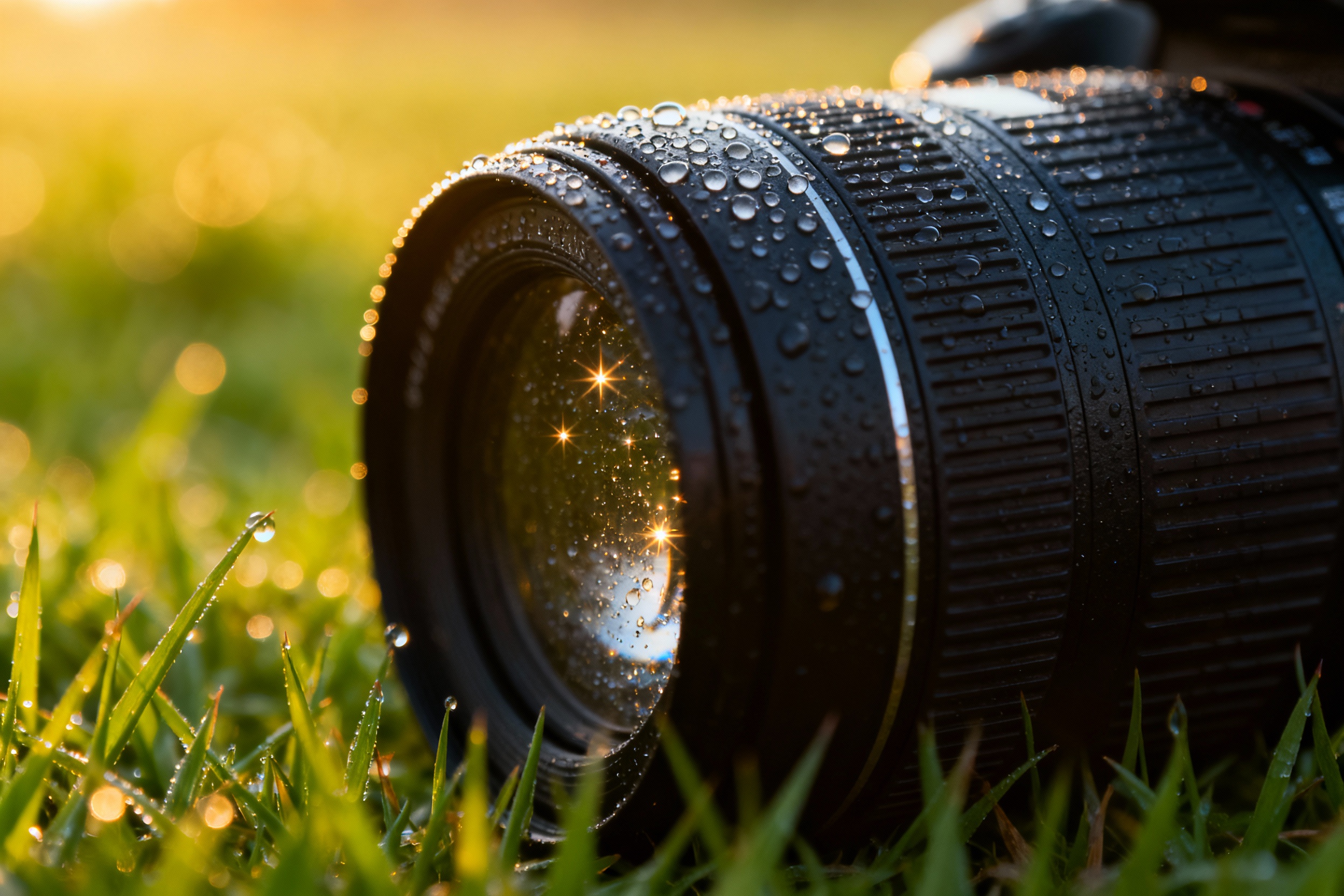
Active Prevention Methods: Heaters and Dehumidifiers
Electrically powered solutions like lens heaters and dehumidifiers offer reliable protection against dew. Lens heater straps, wrapped around the lens barrel, maintain a consistent surface temperature slightly above ambient levels. For sensors, portable dehumidifiers in camera bags reduce moisture buildup during storage. Pros working in extreme conditions, such as astrophotographers, often combine these tools with weather-sealed gear for maximum efficiency. Brands like AstroZap and ThermoElectric Cooler provide specialized products designed to balance heat output without distorting image quality through thermal waves.
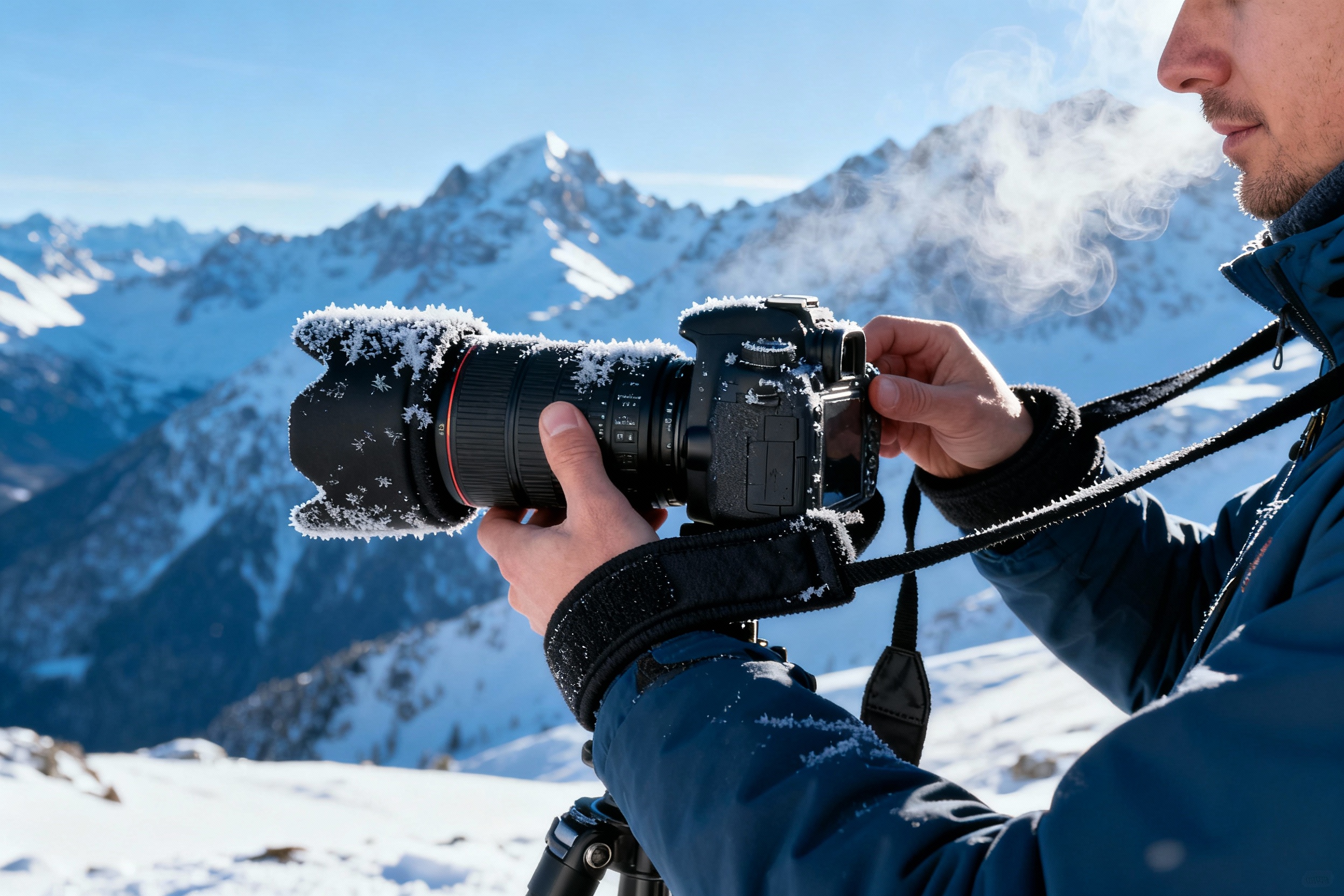
Passive Prevention Techniques: Silica Gel and Protective Covers
Low-tech solutions remain invaluable for dew prevention. Silica gel packets placed in camera bags absorb excess humidity, while microfiber lens covers act as insulating barriers. For outdoor shoots, extending lens hoods can minimize exposure to damp air. Anecdotal evidence suggests wrapping equipment in breathable wool cloths during temperature shifts helps acclimatize gear gradually. These methods are cost-effective and ideal for hobbyists who need lightweight, non-battery-dependent options.
Field Strategies: Minimizing Risk in Humid Environments
Preparation begins before stepping into the field. Check weather apps for dew point forecasts—if the temperature is expected to drop within 5°F of the dew point, condensation is likely. Acclimatize gear by leaving it in the environment for 20–30 minutes before shooting. During breaks, store cameras upside-down so rising warmth from the sensor escapes through the body rather than pooling on the lens. Wildlife photographers in rainforests often use zip-lock bags with desiccants as makeshift dry chambers between shots.
Post-Processing Fixes: Salvaging Dew-Affected Images
Dew’s soft-focus effect isn’t always irreparable. Software tools like Adobe Lightroom’s Dehaze slider can recover contrast, while localized clarity adjustments mitigate haze. For severe droplet distortion, AI-powered platforms like Topaz Sharpen AI analyze patterns to reconstruct details. However, these fixes can’t fully restore lost micro-contrast—underscoring why prevention remains preferable. A side-by-side comparison of raw vs. processed dew-damaged images helps photographers gauge acceptable recovery limits.
Future Technologies in Anti-Dew Solutions
Emerging nanotechnology coatings that repel water at a molecular level show promise. Researchers at MIT are testing hydrophobic lens treatments inspired by butterfly wings, which could eliminate manual dew prevention within a decade. Meanwhile, companies like Nikon are experimenting with integrated sensor heaters activated by ambient humidity sensors. These innovations aim to make dew management seamless, letting photographers focus solely on creativity.