Noise Reduction: Top Free & Paid Plugins
```html
Understanding Noise in Audio Productions
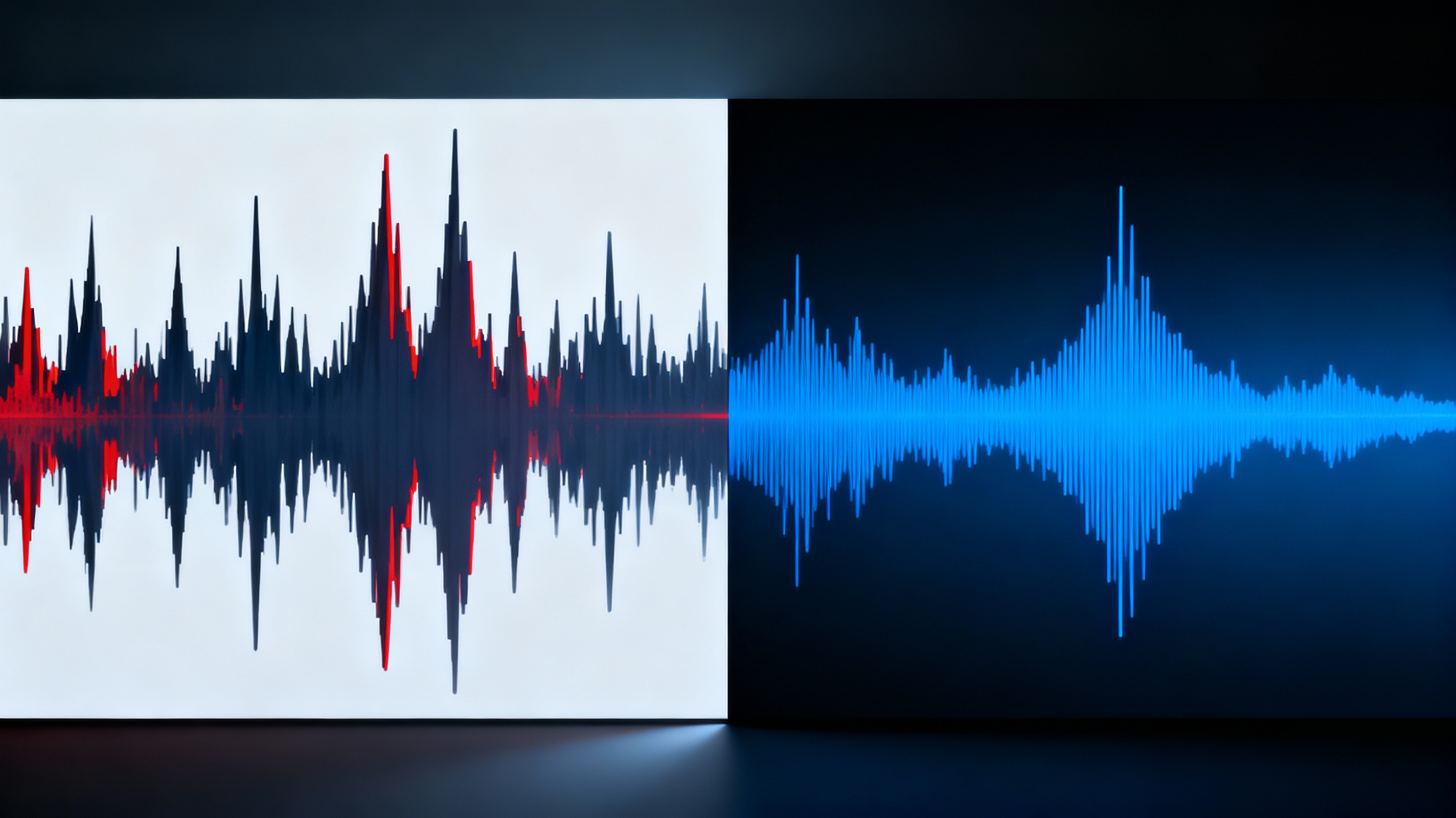
Noise—the unwanted sonic intruder—can derail even the most carefully recorded audio. From the subtle hum of an air conditioner to the harsh crackle of electrical interference, these contaminants manifest during recording due to equipment limitations, environmental factors, or technical mishaps. Understanding noise types is crucial: broadband noise (like tape hiss) spans frequencies, while impulse noise includes clicks and pops. Modern producers combat these issues using specialized tools that analyze audio fingerprints and surgically remove distractions without sacrificing vocal clarity or musical detail.
Top Free Noise Reduction Plugins for Budget-Conscious Creators
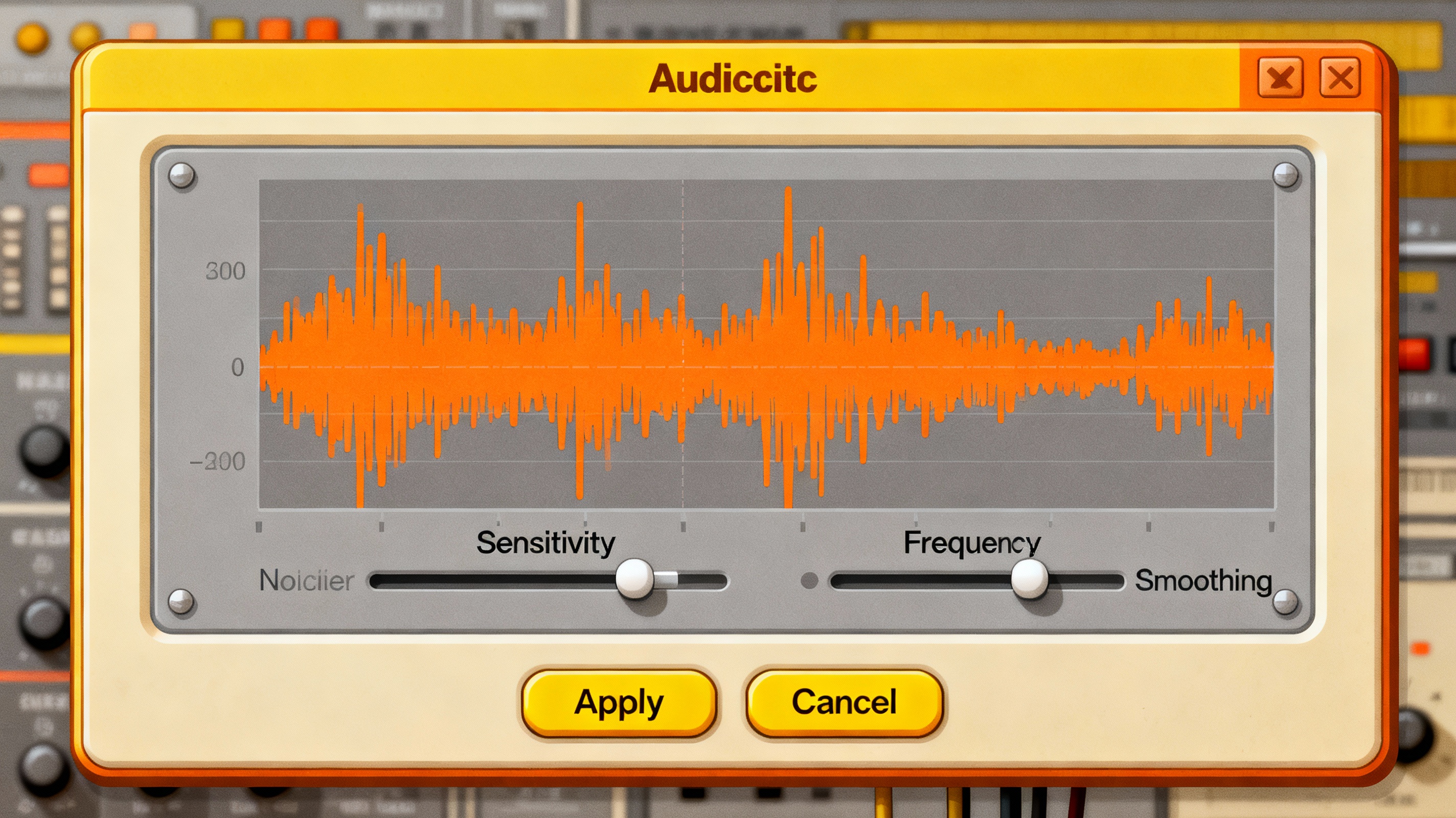
Audacity's built-in Noise Reduction remains a gateway drug for new producers. Its simple three-step process—sample noise, adjust sliders, apply—works wonders on consistent background hum. For Reaper users, ReaFir's noise gate mode shines for dynamic sources like voiceovers, though its spectrum graph demands some learning. Newer entrants like Acon Digital's DeNoise Lite introduce machine learning to free tier offerings, preserving transients in podcast dialogue. While lacking the precision of paid tools, these solutions prove that zero-cost doesn’t mean zero-results—especially when paired with proper gain staging during recording.
Premium Power: Best Paid Noise Reduction Tools
iZotope RX Standard sets the industry benchmark with its spectral repair system, visualizing audio as editable heatmaps—perfect for zapping individual coughs in live recordings. Waves NS1 takes a minimalist approach, using AI to differentiate voice from noise in real-time during tracking—a lifesaver for streamers. For musicians, Accusonus ERA 6 Bundle offers single-knob machine learning models that adapt to vocals, guitars, or room tone. These premium tools justify their price tags through speed, transparency, and features like batch processing that streamline workflows for professionals facing daily noise wars.
How to Choose Between Free and Paid Noise Reduction Solutions
Your choice hinges on three factors: noise severity, project frequency, and required preservation. Free plugins suffice for occasional podcast edits or removing amp hiss from DIY recordings. Paid becomes essential when handling archival tapes with variable noise floors or dialogue competing with carnival backgrounds. Consider workflow needs—broadcast producers needing real-time processing should prioritize GPU-accelerated tools like Cedar Studio DNS. Meanwhile, electronic musicians dealing with synthesized high-end might invest in specialized solutions like Sonible Smart:limit, which targets frequency-specific artifacts other tools miss.
Best Practices for Effective Noise Reduction
Always clean noise pre-EQ—processing amplified artifacts worsens results. Use narrow reduction (<6dB gain reduction) across multiple instances rather than one aggressive pass. For vocals, automate plugin bypass during pauses to maintain natural ambience. Pair broadband noise tools with transient preservers like Transient Designer when polishing drum recordings. Advanced users should layer spectral editing (for isolated clicks) with AI dereverberation (e.g., Acon Deverberate) in challenging acoustic environments. Remember: the best noise reduction happens at the source—invest in acoustic treatment before relying on digital fixes.