Polar Alignment Without Polaris Visibility
```html
Understanding Polar Alignment and the Challenge of Missing Polaris
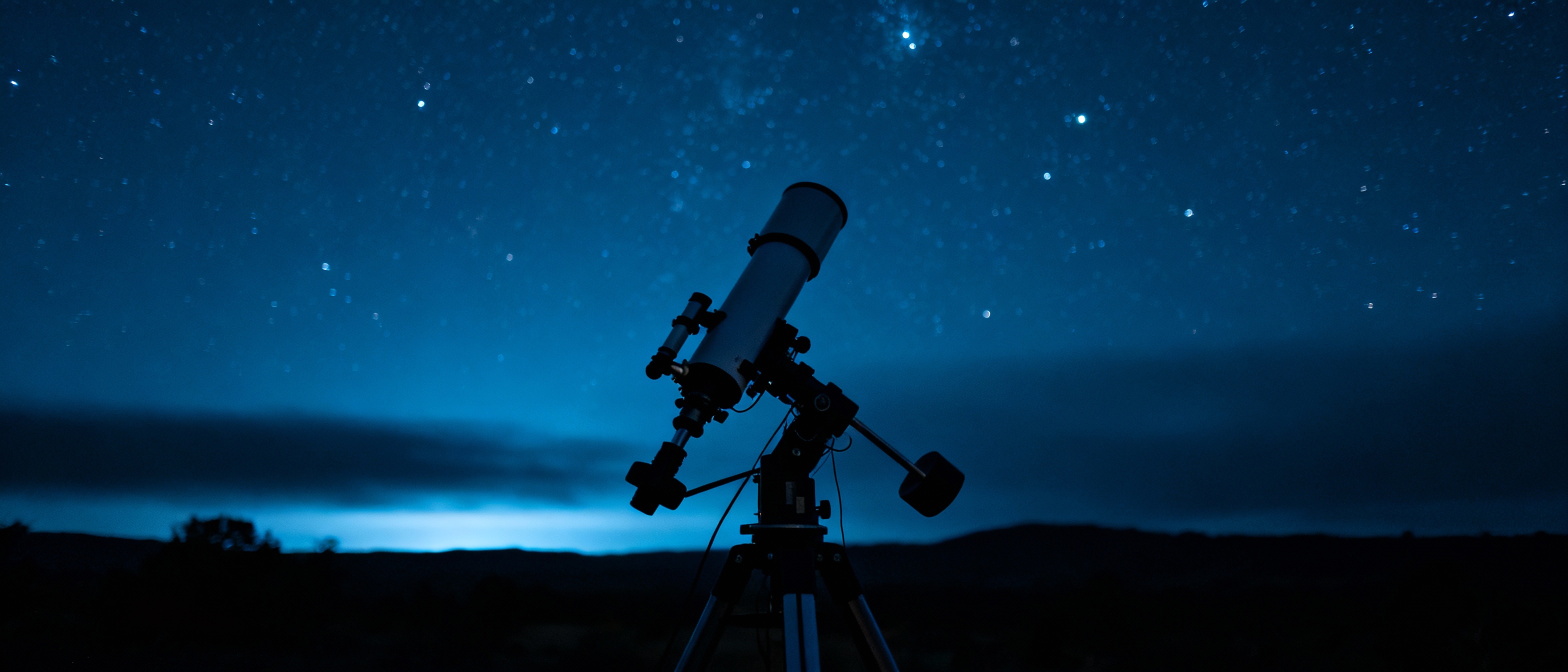
Polar alignment—the process of aligning a telescope or camera mount with Earth’s rotational axis—is foundational for astrophotography and precise celestial tracking. For Northern Hemisphere observers, Polaris (the North Star) serves as a convenient guidepost. But what happens when Polaris is obscured by geography, weather, or light pollution? This dilemma affects observers in the Southern Hemisphere, equatorial regions, or those with obstructed northern views. Without Polaris, achieving accurate alignment demands alternative strategies, blending traditional astronomy techniques with modern technology.
The Role of Celestial Coordinates and Declination
Polar alignment relies on understanding celestial coordinates: right ascension (RA) and declination (Dec). Earth’s axis points toward the celestial poles, which correspond to 90° declination. Without Polaris, astronomers use bright stars or planets near the celestial equator to approximate alignment. Tools like equatorial mounts with setting circles or digital encoders can calculate the offset between visible objects and the true pole. This method requires familiarity with star charts and patience, as even a small misalignment can cause trailing in long-exposure images.

Using the Southern Cross and Other Constellations
In the Southern Hemisphere, the Southern Cross (Crux) and adjacent pointer stars, Alpha and Beta Centauri, act as guides. By extending the cross’s long axis 4.5 times its length, observers locate the south celestial pole. Apps like Stellarium or Polar Scope Align simulate this geometry, helping users translate constellation patterns into alignment adjustments. While less precise than Polaris, this method has guided navigators and astronomers for centuries and remains vital for equatorial and southern observers.
Leveraging Astro-Imaging Software and Plate Solving
Modern astrophotographers often bypass visual alignment entirely. Plate-solving software—such as NINA, SharpCap, or ASTAP—analyzes star patterns in real-time images to determine the mount’s orientation. By comparing captured stars to databases, the software calculates alignment errors and provides corrective feedback. This iterative process, called "polar alignment routines," achieves sub-arcminute accuracy even in light-polluted skies. Such tools democratize precision alignment, empowering amateurs to rival professional setups.
The Drift Alignment Method: A Time-Tested Alternative
Drift alignment predates digital aids and remains a reliable fallback. By tracking a star’s drift through the eyepiece or camera sensor, users adjust the mount’s altitude and azimuth. Centering a star near the celestial equator and monitoring its east-west drift reveals polar misalignment. For example, a star drifting southward indicates the mount is too low. Though time-consuming, drift alignment hones observational skills and deepens understanding of celestial mechanics.
Smart Telescopes and Automated Alignment Systems
Emerging technologies simplify polar alignment for novices. Smart telescopes from brands like ZWO or Unistellar integrate GPS, gyroscopes, and built-in cameras to auto-align with minimal user input. These systems use star recognition and motion sensors to triangulate the celestial pole, often faster than manual methods. While costly, they reduce setup time and frustration, making astronomy accessible in light-polluted cities or during fleeting clear skies.
Practical Tips for Polar Alignment Without Polaris
Success hinges on preparation. Start by leveling the tripod using a bubble level. Use a compass to approximate azimuth alignment, then refine using celestial markers or software. If obstructed horizons block key stars, temporarily relocate or shoot during astronomical twilight. Apps like PhotoPills or PolarFinder simulate polar position based on location and time. Always verify alignment with test exposures; even a 30-second image can reveal tracking errors.
Case Study: Astrophotography Success in the Southern Hemisphere
Consider an amateur in Chile capturing the Large Magellanic Cloud. Without Polaris, they used the Sigma Octantis (the South Star) and a combination of plate-solving and manual adjustments. After initial alignment with the Southern Cross, they ran a 5-minute test exposure, plate-solved the image, and fine-tuned their mount. The result: a sharp, tracked image of the Tarantula Nebula, proving that persistence and adaptive techniques yield success regardless of Polaris’s absence.
Common Pitfalls and How to Avoid Them
Rushing alignment is a frequent mistake. Allocate at least 20 minutes for setup. Avoid over-relying on digital tools; always cross-check with visual cues. Miscalculating local sidereal time or misentering coordinates can derail alignment—double-check inputs. Finally, ensure your mount’s firmware is updated; manufacturers often refine alignment algorithms. Embrace trial and error; even seasoned astronomers recalibrate mid-session.