Sharpening Nebulae Without Increasing Noise
The Art and Science of Nebula Image Processing
Nebulae, the cosmic clouds of gas and dust, captivate astronomers and astrophotographers with their intricate structures and vibrant hues. Capturing their faint glow requires long exposures, specialized equipment, and post-processing techniques to reveal hidden details. However, enhancing these celestial portraits often introduces noise—grainy artifacts that obscure subtle features. Mastering the balance between sharpening nebulae and preserving smooth backgrounds is both a technical challenge and an artistic pursuit.
Understanding Noise: The Enemy of Clarity
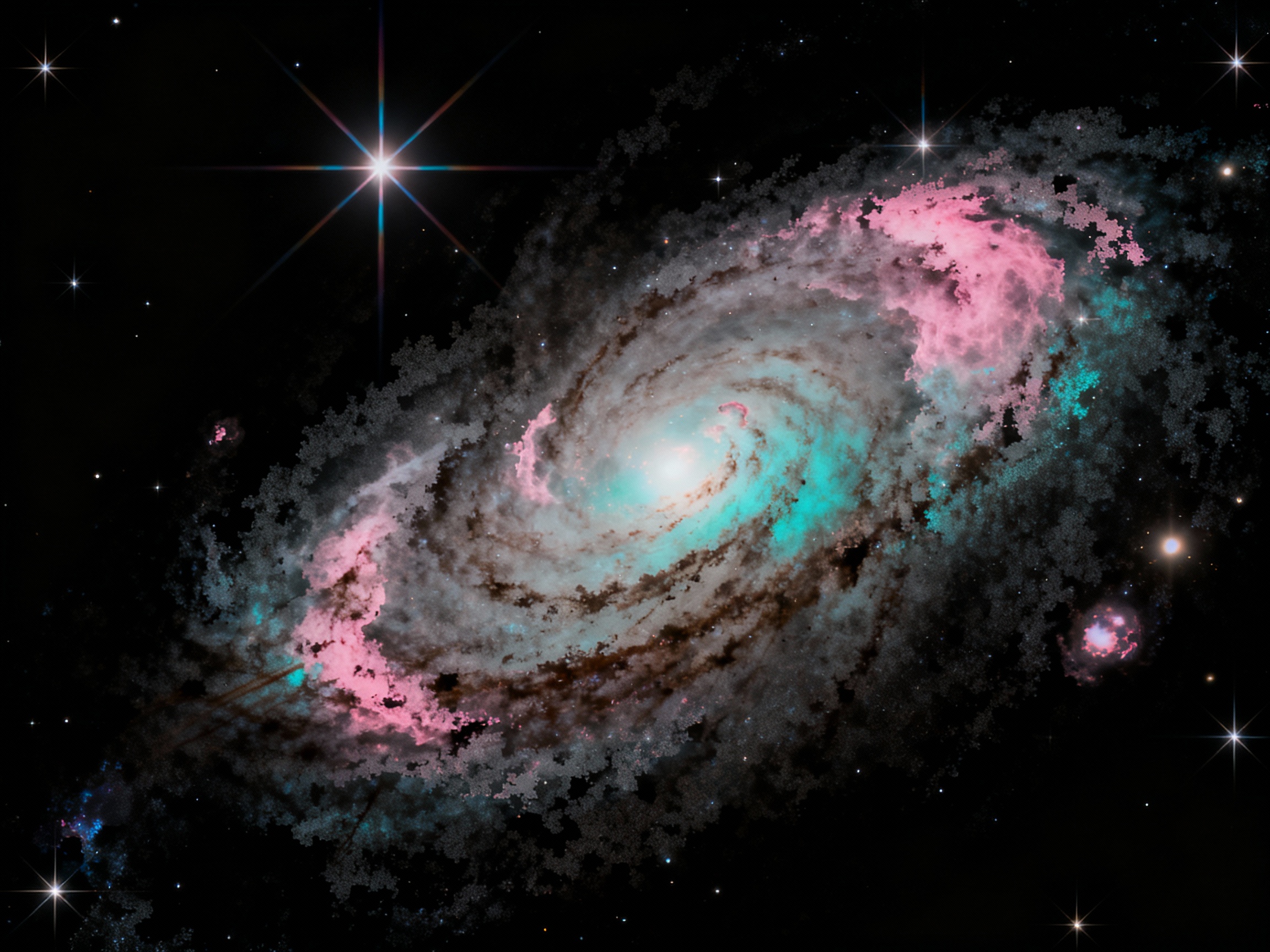
Noise in astrophotography manifests as random speckles or color inconsistencies, arising from sensor heat, ISO amplification, and light pollution. Unlike film grain, digital noise reduces signal-to-noise ratio, making faint nebula structures harder to distinguish. Chromatic noise appears as colored pixels in shadows, while luminance noise creates a "static" effect across the image. Modern CMOS sensors handle noise better than older CCDs, but even stacked exposures retain some artifacts that sharpening can exacerbate.
Targeted Sharpening Techniques
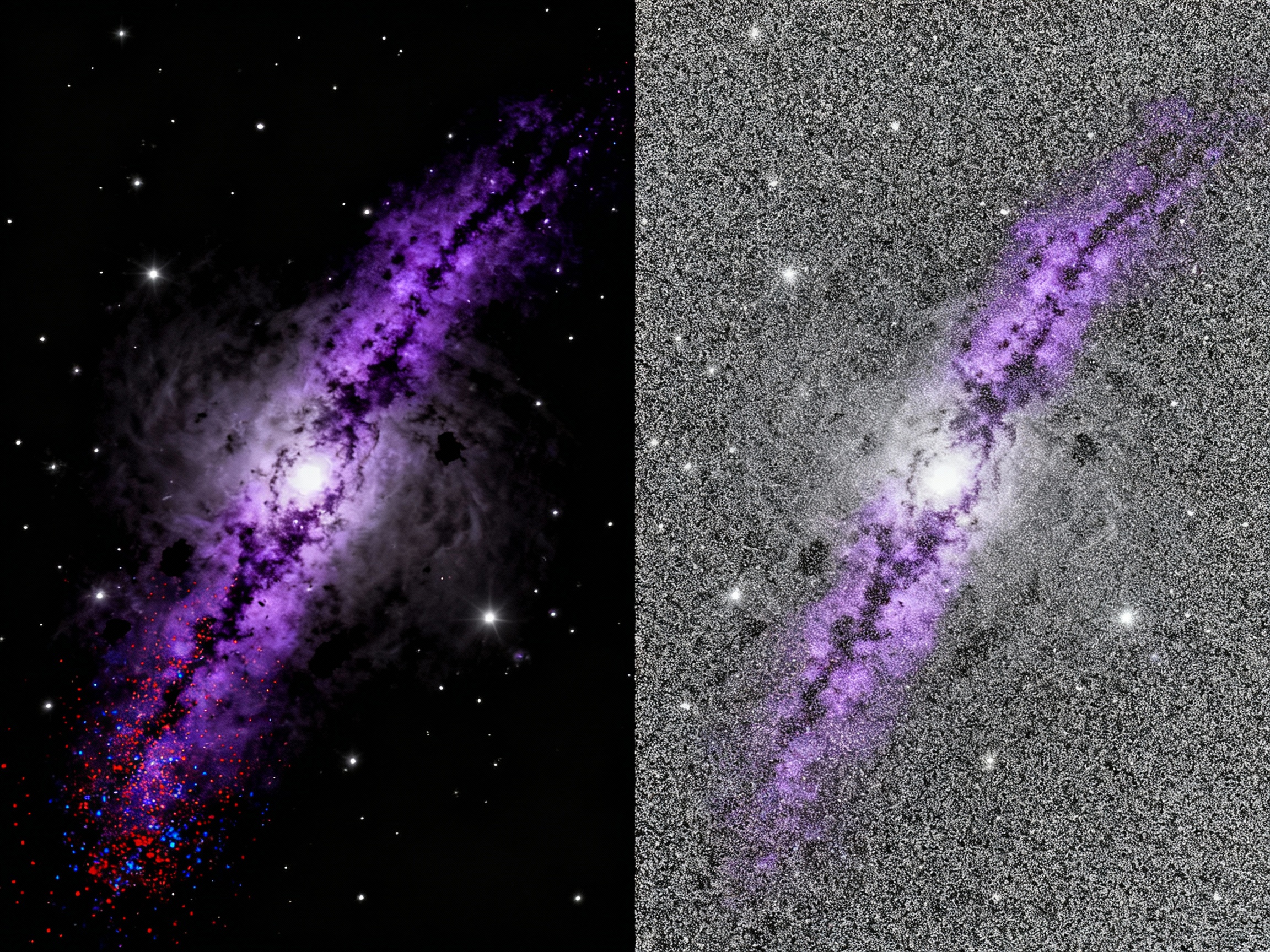
Professional processors use frequency-based methods to isolate details. Wavelet decomposition separates an image into layers based on feature size, allowing selective enhancement of medium-sized nebula filaments without touching fine noise. Deconvolution mathematically reverses optical blurring caused by telescopes, using point spread functions to reconstruct sharper boundaries in emission nebulae. Layer masking protects smooth regions like hydrogen-alpha clouds while applying localized contrast boosts to brighter areas.
Software-Specific Workflows
PixInsight's MultiscaleLinearTransform excels at wavelet-based sharpening, paired with MaskedStretch to maintain natural gradients. Photoshop users leverage smart objects with High Pass filters, blending modes like Soft Light for localized contrast, and luminosity masks to constrain edits. Free tools like Siril offer noise-inhibiting unsharp masks, where threshold sliders prevent amplifying grain below a specified brightness level. All workflows emphasize non-destructive editing for iterative refinement.
Noise Reduction Synergy
Effective sharpening requires pre-processing noise control. Topaz Denoise AI's astro mode uses machine learning to distinguish nebula textures from sensor noise. Weighted batch stacking in DeepSkyStacker statistically reduces random noise across multiple exposures. For DSLR users, dark frame subtraction removes amp glow, while dithering during acquisition randomizes fixed-pattern noise. Chroma noise reducers in LightRoom work best when applied before sharpening to avoid color halos.
Case Study: The Orion Nebula
A 4-hour integration of M42 (300s subs at -10°C) undergoes careful processing. After stacking with drizzle integration to recover resolution, a luminance mask restricts deconvolution to the brightest trapezium region. Wavelet layers 2-4 receive 20% sharpening, with a noise floor mask preventing grain enhancement. Final touch-ups use a custom Photoshop action that combines smart sharpen with surface blur on a separate layer, blended using luminosity calculations.
Ethics in Astrophotography Enhancement
While modern tools can hypothetically "create" details through generative AI, the astrophotography community values authenticity. Guidelines suggest disclosing generative fills beyond 10% of an image. Sharpening should aim to reveal captured photons, not invent structures. The Hubble Palette controversy highlights balancing artistic color interpretations with scientific accuracy—a reminder that processing is interpretation, not fabrication.
Future Frontiers
Emerging technologies promise cleaner data at the acquisition stage. Quantographic sensors with per-photon counting reduce read noise. On the software front, neural networks trained on Hubble data can predict optimal sharpening parameters. Amateur-friendly adaptive optics systems, once exclusive to research telescopes, now correct atmospheric blur in real-time. These advancements will let enthusiasts capture nebula details rivalling professional observatories of the past.