Temperature Acclimation for Optics
```html
The Critical Role of Temperature in Optical Systems
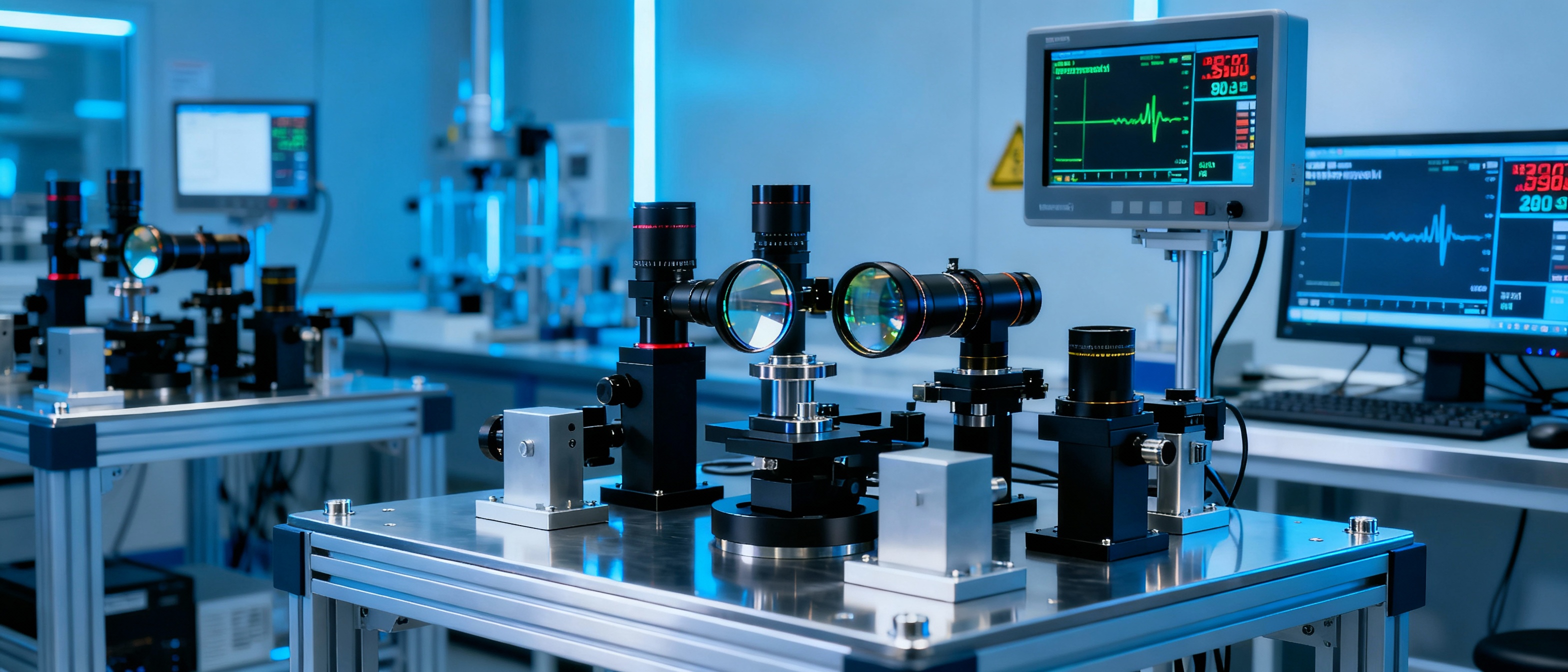
Optical systems, from microscope lenses to space telescopes, rely on precision engineering to function accurately. However, temperature fluctuations can induce material expansion or contraction, leading to misalignments, focal shifts, and degraded performance. Even minor thermal changes of a few degrees can compromise imaging clarity in high-resolution applications. Industries like aerospace, medical imaging, and semiconductor manufacturing invest heavily in temperature acclimation strategies to mitigate these risks. Understanding how thermal dynamics interact with optical components is the first step toward designing resilient systems.
The Science of Thermal Expansion and Optical Distortion
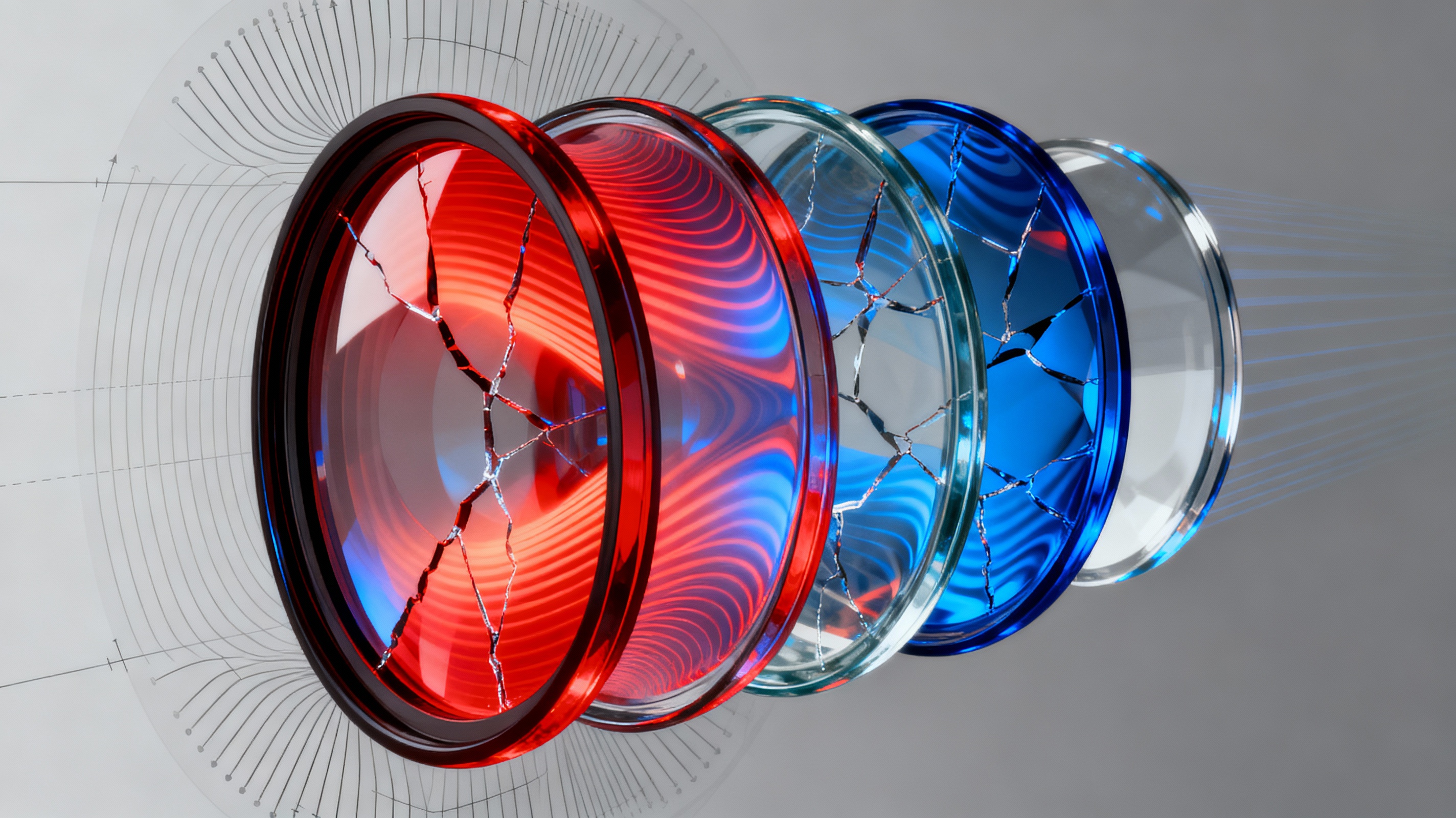
Thermal expansion occurs when materials expand or contract in response to temperature changes—a phenomenon quantified by the coefficient of thermal expansion (CTE). Optical materials like glass, crystals, and polymers each have unique CTE values, creating challenges when combining dissimilar materials in a single system. For example, a lens mount made of aluminum (high CTE) paired with a borosilicate glass lens (low CTE) can cause stress-induced birefringence or delamination. Advanced simulation tools, such as finite element analysis (FEA), help engineers predict and compensate for these effects during the design phase.
Applications: From Space Telescopes to Medical Imaging
In space exploration, optics face extreme temperature swings—from -270°C in shadow to +120°C in sunlight. NASA’s James Webb Space Telescope uses gold-coated beryllium mirrors, chosen for their low CTE and stability in cryogenic conditions. Conversely, medical lasers for surgeries require steady thermal management to maintain wavelength consistency. Semiconductor lithography machines, which pattern nanoscale circuits, use invar alloys and active cooling to stabilize optics against heat generated by ultraviolet lasers. These examples underscore the diversity of temperature challenges across industries.
Material Innovations in Temperature-Stable Optics
Engineers are increasingly turning to novel materials like Zerodur®, a glass-ceramic composite with near-zero CTE, and silicon carbide for its high stiffness-to-weight ratio. Meta-materials with engineered nanostructures offer tunable thermal properties, while hybrid designs incorporate passive cooling channels directly into optical mounts. For example, the European Extremely Large Telescope (ELT) uses a segmented mirror system with embedded sensors that adjust actuator positions in real time to counteract thermal drift.
Case Study: Overcoming Thermal Noise in Gravitational Wave Detectors
The LIGO observatory, which detects ripples in spacetime, uses 40 kg mirror substrates made of fused silica suspended by silica fibers. Even microscopic thermal vibrations—"Brownian noise"—can mask gravitational wave signals. To address this, LIGO employs cryogenic cooling and crystalline coatings to reduce mechanical loss. This solution reduced thermal noise by 50%, enabling the detection of collisions between neutron stars billions of light-years away. Such breakthroughs highlight the intersection of thermal management and cutting-edge astrophysics.
Future Directions: Adaptive Optics and AI-Driven Thermal Control
Emerging technologies like deformable mirrors and liquid crystal phase shifters enable real-time compensation for thermal distortion. Machine learning algorithms now predict thermal drift patterns by analyzing historical sensor data, adjusting cooling systems preemptively. For instance, the Vera Rubin Observatory uses AI to optimize its mirror’s temperature gradient during nighttime observations. As quantum optics and photonics advance, integrating these adaptive systems will redefine precision in extreme environments.