Cold Weather Gear Survival Guide
```html
Understanding Cold Weather Risks: Hypothermia, Frostbite, and Beyond
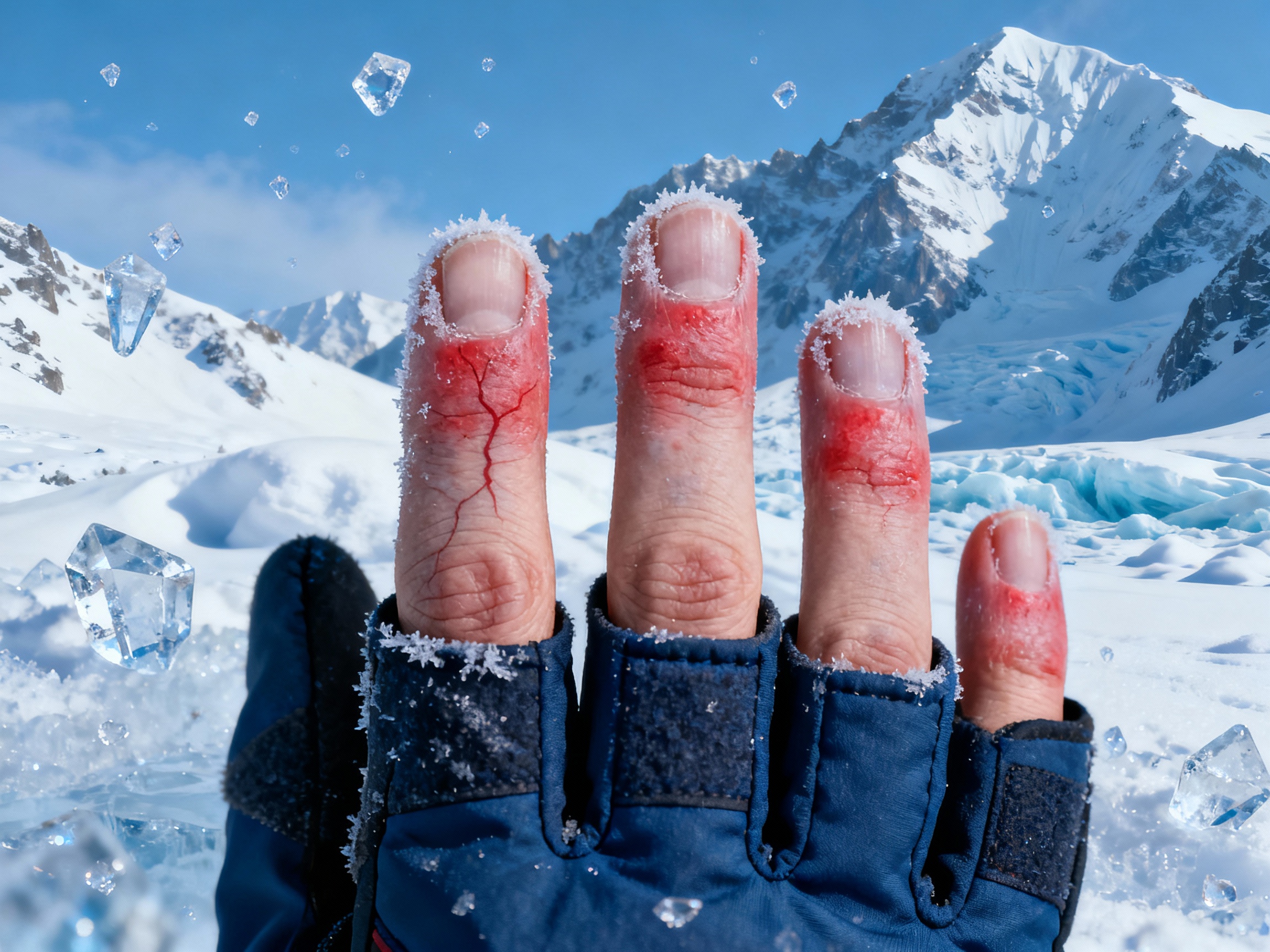
Cold weather isn’t just uncomfortable—it’s potentially lethal. Hypothermia occurs when your body loses heat faster than it can produce it, dropping your core temperature below 95°F (35°C). Symptoms include shivering, confusion, and slurred speech. Frostbite, on the other hand, freezes skin and underlying tissues, often affecting fingers, toes, and exposed skin. Wind chill exacerbates these risks by stripping away body heat, making even mild temperatures dangerous. To stay safe, monitor weather forecasts, recognize early warning signs, and never underestimate the cold’s ability to escalate from inconvenience to emergency.
The Layering System: Mastering Base, Mid, and Outer Layers
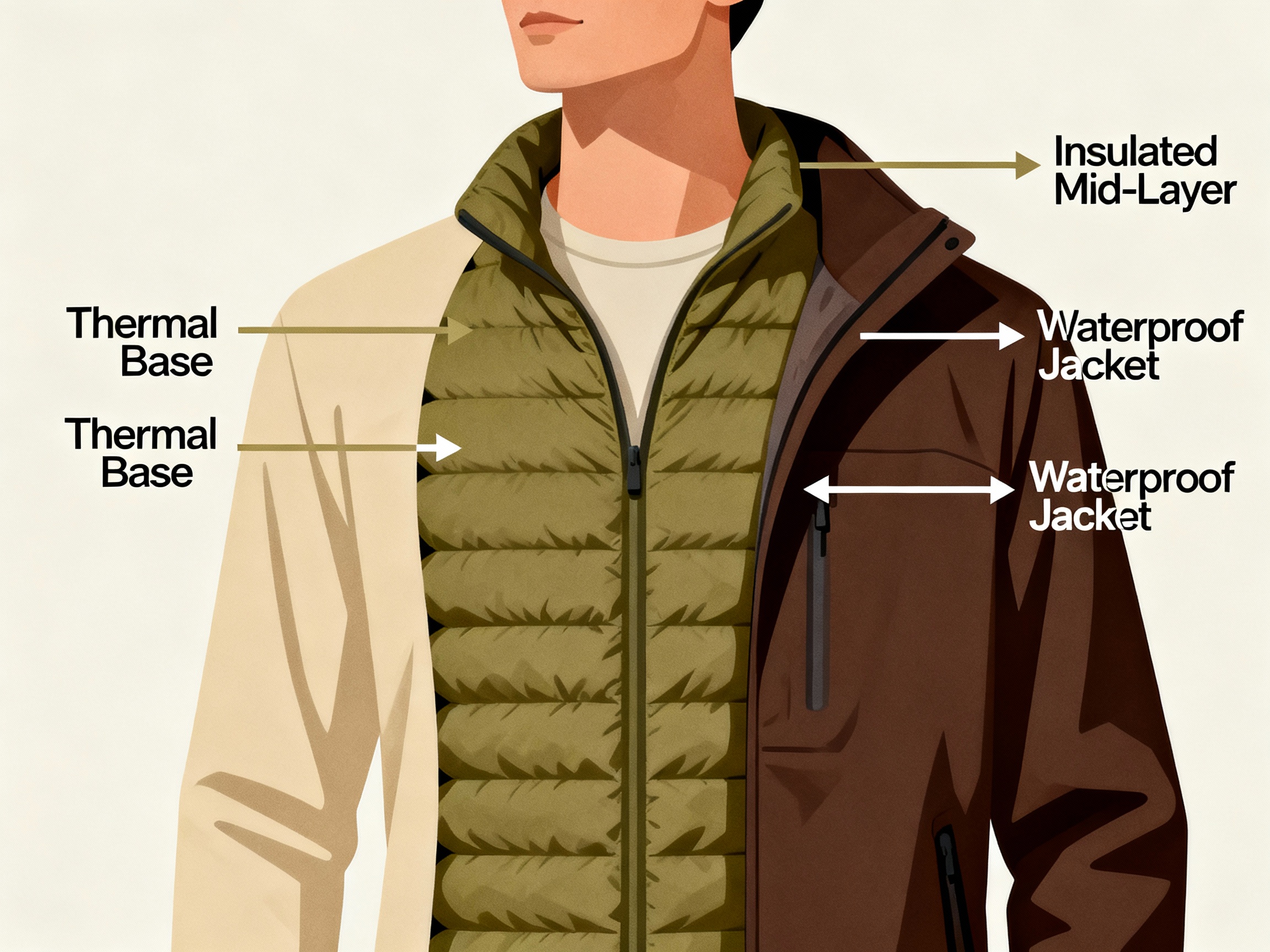
Effective layering is the cornerstone of cold weather survival. Start with a moisture-wicking base layer—merino wool or synthetic fabrics—to keep sweat away from your skin. Next, add an insulating mid-layer like fleece or down to trap heat. Finally, choose a waterproof, windproof outer shell to shield against elements. Avoid cotton, which retains moisture and accelerates heat loss. Adjust layers based on activity level: remove a mid-layer during exertion to prevent sweating, then re-dress during rest. This modular approach ensures adaptability in fluctuating conditions.
Essential Gear for Extremities: Head, Hands, and Feet
Your extremities lose heat fastest. A thermal beanie or balaclava retains 30% of body heat. For hands, use layered gloves: a thin liner under insulated mittens for dexterity and warmth. Footwear should be insulated, waterproof, and roomy enough to accommodate thick socks without restricting circulation. Consider vapor-barrier socks in subzero temps to prevent moisture buildup. Always carry spare gloves and socks—wet gear is a fast track to frostbite.
Survival Kits: What to Pack for Emergency Scenarios
A cold-weather survival kit should address shelter, warmth, and signaling. Include a compact emergency bivvy, fire-starting tools (ferro rod, waterproof matches), chemical hand warmers, and a high-calorie energy bar. Add a whistle, signal mirror, and portable charger for communication. Customize based on trip duration: for multi-day treks, add a lightweight stove and extra fuel. Prioritize items that serve multiple purposes—a space blanket can double as a makeshift shelter or rainfly.
Maintaining Gear: Repairs, Drying, and Longevity Tips
Cold degrades gear faster. Inspect zippers and seams regularly; repair tears with tenacious tape or seam sealer. Dry boots and gloves overnight—stuff them with newspaper to absorb moisture. Reapply DWR (durable water repellent) coatings to jackets annually. Store sleeping bags loosely to preserve insulation loft. Proper maintenance not only extends gear life but ensures reliability when you need it most.
Adapting Gear to Activity: Skiing vs. Hiking vs. Camping
Skiing demands breathable, aerodynamic layers to manage high exertion. Opt for softshell jackets and helmet-compatible beanies. Hikers need lightweight, versatile gear—prioritize layering ease and packability. Winter campers require heavy-duty insulation: -20°F sleeping bags and four-season tents. Tailor your kit to activity-specific risks: skiers should carry avalanche beacons, while campers need insulated sleeping pads to prevent ground heat loss.
Psychological Resilience: Staying Calm in Freezing Conditions
Panic accelerates poor decisions. Practice mindfulness techniques to manage stress: focus on rhythmic breathing or break tasks into small, manageable steps. Visualize success—reaching shelter, building a fire—to maintain morale. Share responsibilities with companions to avoid fatigue. Mental preparedness is as critical as physical gear.
Common Mistakes to Avoid: Overconfidence and Poor Planning
Underestimating weather shifts or skipping gear checks can be deadly. Novices often overdress, sweat excessively, and later succumb to hypothermia. Others skimp on navigation tools, relying solely on phones that fail in cold. Always test gear before trips, and plan escape routes. Remember: the best survival tool is cautious foresight.