Intervalometers Explained in 90 Seconds
```html
What Is an Intervalometer?
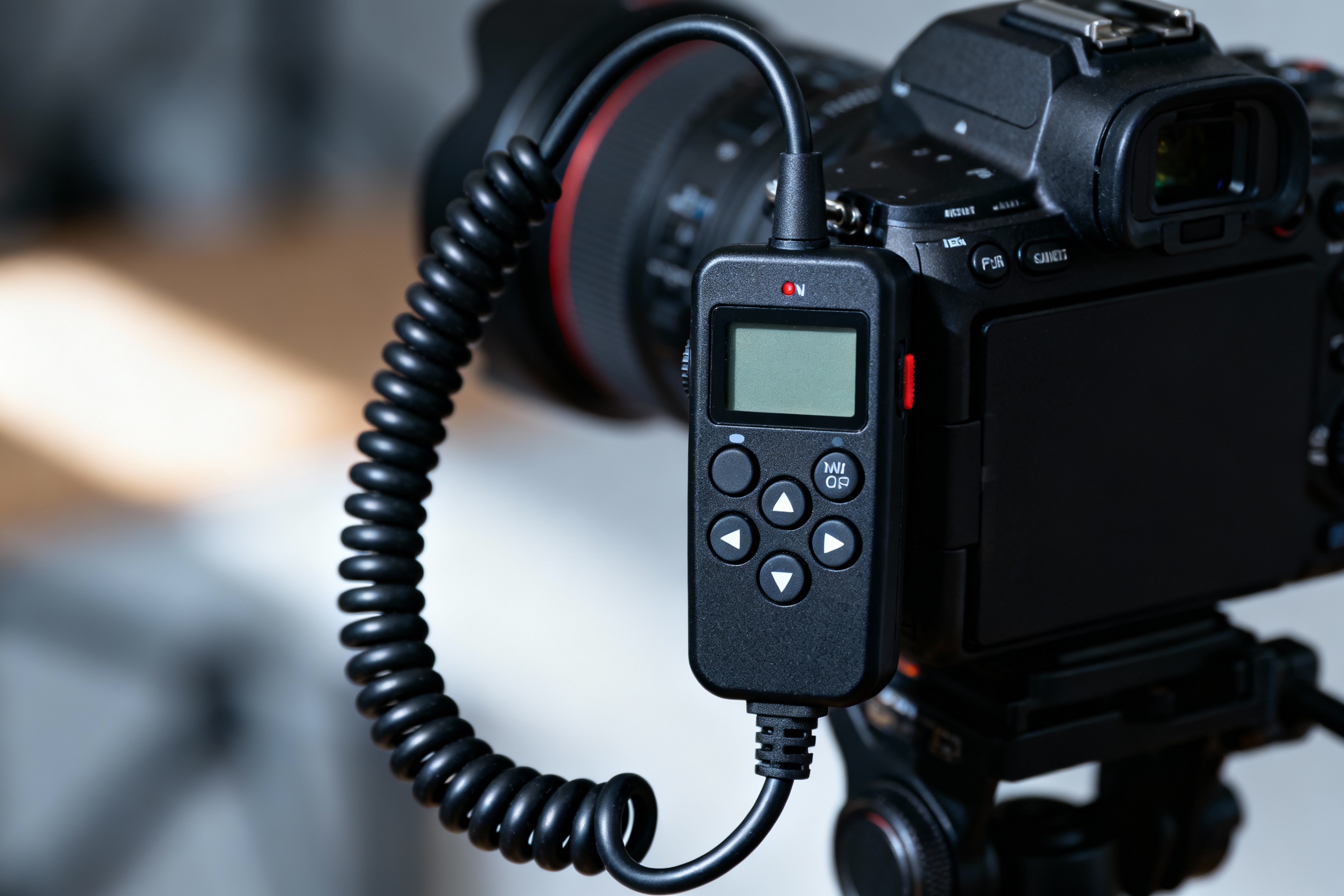
An intervalometer is a device or built-in camera feature that automates timed exposures. It allows photographers to program a series of shots at predetermined intervals, eliminating the need to press the shutter button manually. Commonly used in time-lapse photography, astrophotography, or long-exposure shots, intervalometers ensure precision and consistency. They can be external gadgets attached to a camera or integrated into modern camera firmware. By setting parameters like interval length, exposure duration, and total number of shots, creators can focus on composition while the tool handles the technical execution.
Why Use an Intervalometer?
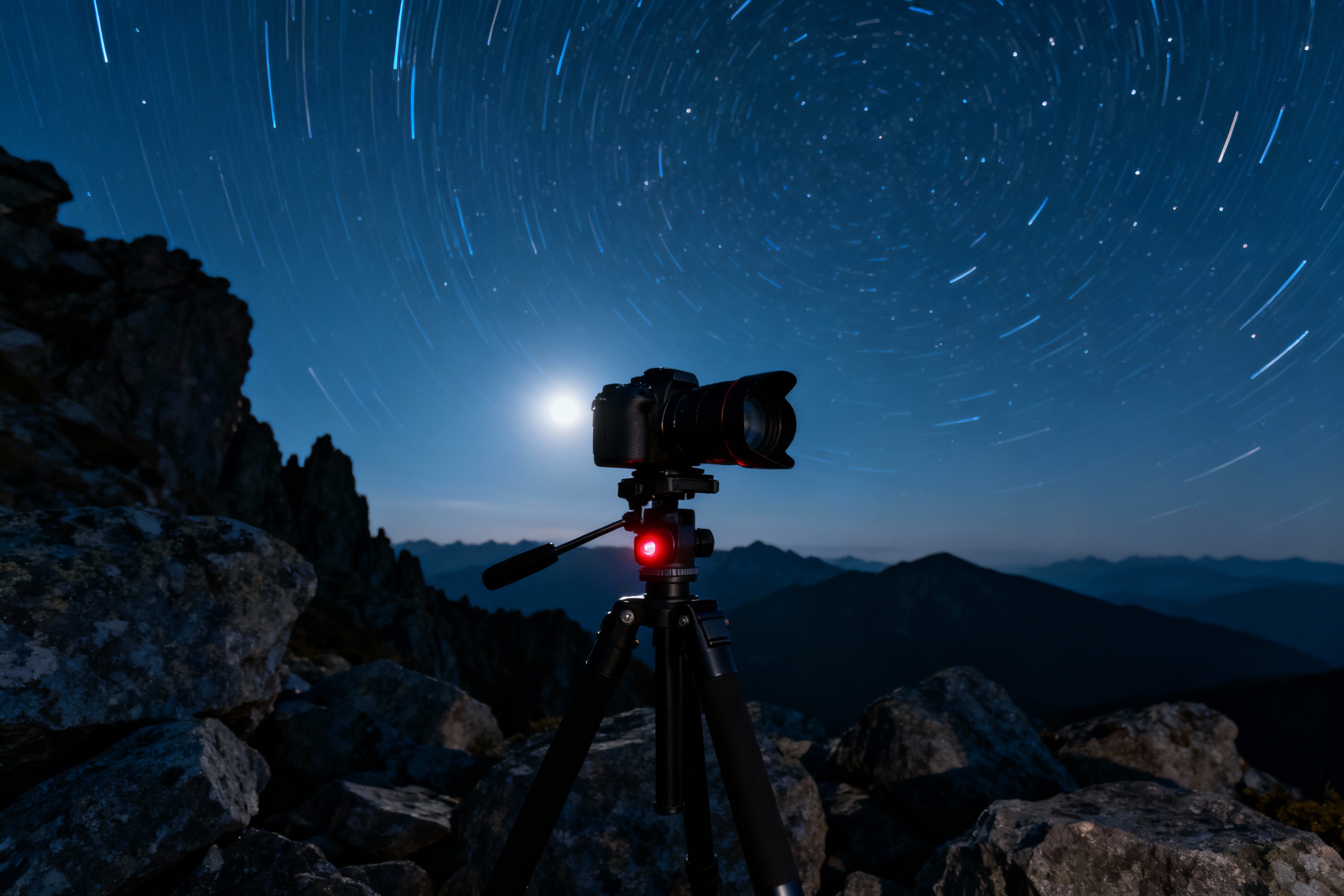
Intervalometers solve problems that manual shooting can’t. For time-lapses, manually pressing the shutter every few seconds for hours is impractical. In astrophotography, even slight camera movement from touching the device can ruin a star trail shot. Intervalometers also enable bulb ramping—a technique where exposure settings adjust automatically during sunrise or sunset time-lapses. Beyond creativity, they reduce human error, ensuring each frame aligns perfectly for smooth post-processing. Whether capturing blooming flowers or bustling cityscapes, intervalometers turn ambitious projects into manageable tasks.
How to Set Up an Intervalometer in 4 Steps
First, attach the intervalometer to your camera’s remote port or connect via wireless protocols like Bluetooth. Next, power on the device and navigate its menu to set the interval—e.g., one shot every 5 seconds. Then, specify the exposure time per frame; for long exposures, this might be 30 seconds. Finally, input the total number of shots or duration. Test the settings with a short sequence before committing to hours of shooting. Always check battery levels and storage space to avoid mid-shoot interruptions.
The Role of Intervalometers in Time-Lapse Mastery
Time-lapse photography compresses hours into seconds, revealing patterns invisible to the naked eye—like clouds racing or shadows crawling. An intervalometer calculates the exact intervals needed to achieve seamless motion. For a 30-second video at 24fps, you’d need 720 frames. If your scene unfolds over 2 hours, set the intervalometer to trigger every 10 seconds. Advanced users pair intervalometers with motion sliders for cinematic pans. Post-processing software then stitches the frames, but the magic begins with the intervalometer’s precision.
Intervalometer Features to Elevate Your Photography
Look for intervalometers with backlit screens for low-light environments. Bulb mode support is essential for exposures longer than 30 seconds. Customizable intervals (from milliseconds to hours) cater to diverse projects, while a built-in timer prevents over-shooting. Some models offer exposure bracketing for HDR sequences. Wireless options, like smartphone-compatible intervalometers, enable remote control via apps. Durability matters too—weather-sealed units withstand rain or dust during outdoor shoots.
DIY Alternatives: Smartphone Apps as Intervalometers
Many smartphones can double as intervalometers using apps like TriggerTrap or Intervalometer. Connect your phone to the camera via USB or Wi-Fi, and the app handles the timing. While convenient, apps may lack reliability in extreme temperatures or remote areas. Dedicated intervalometers offer physical buttons and longer battery life, but for casual creators, apps provide a budget-friendly entry point. Test your setup thoroughly—some apps may introduce lag or connectivity issues mid-shoot.
Avoiding Common Intervalometer Mistakes
Overlooked details can derail a shoot. Always fully charge the intervalometer and camera. A drained battery during a 4-hour time-lapse is heartbreaking. Check memory card capacity—thousands of RAW files fill space quickly. Miscalculating intervals? Use online calculators to match frames to desired video length. Forgetting to disable autofocus? It may hunt between shots, causing flicker. Lastly, shield your setup from wind or vibrations; a shaky tripod introduces jitter, ruining an otherwise flawless sequence.