ISO Sweet Spot for Your Camera Model
```html
Understanding ISO: The Basics Every Photographer Should Know
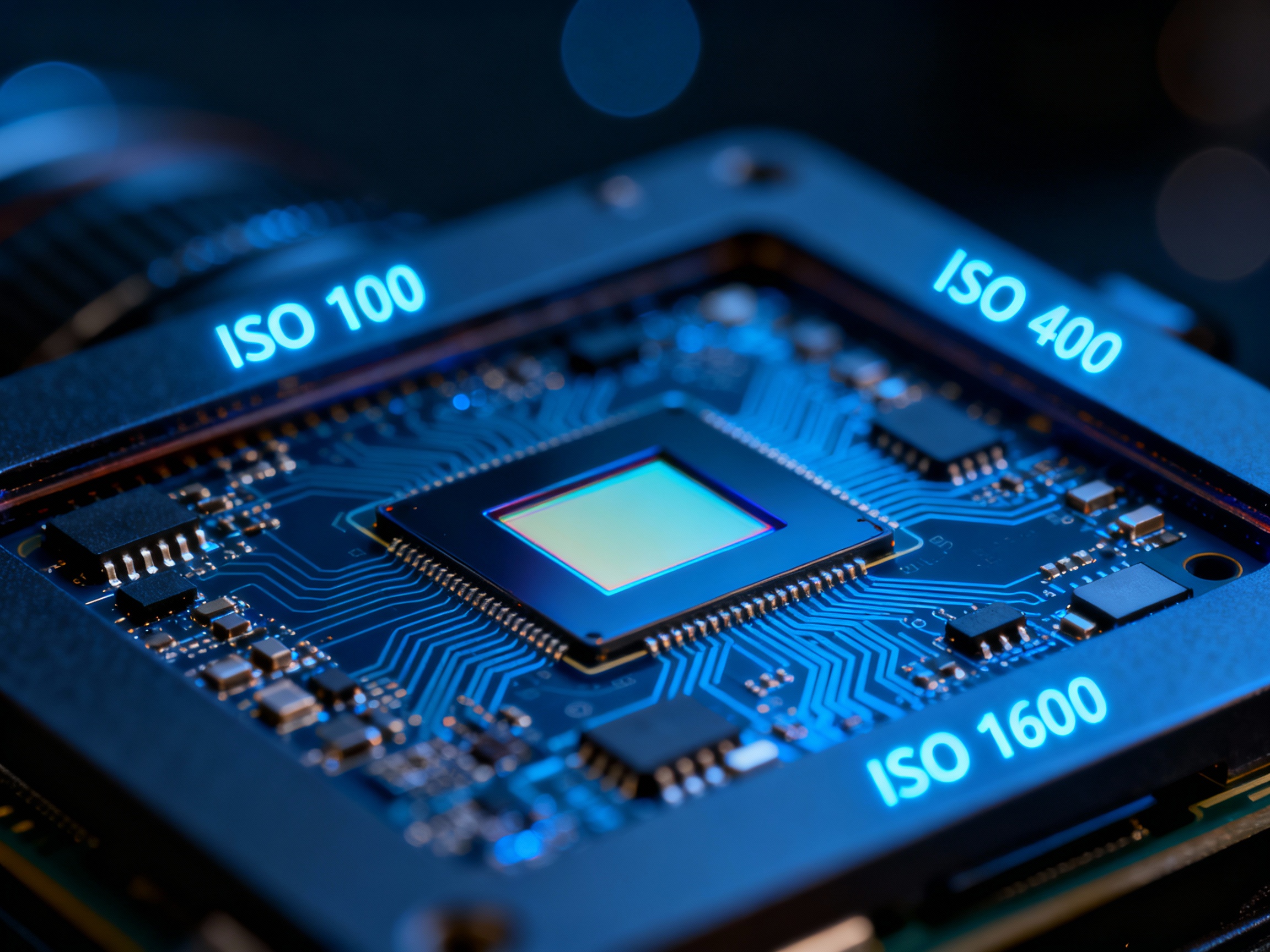
ISO determines your camera sensor’s sensitivity to light, but it’s far more nuanced than just a brightness slider. Lower ISO values (e.g., 100–400) produce cleaner images with minimal noise, while higher ISOs (e.g., 1600+) amplify sensitivity, often introducing grain. However, modern cameras handle high ISO better than older models, thanks to advancements in sensor technology and noise reduction. The key is balancing ISO with shutter speed and aperture to maintain image quality while capturing the scene effectively. Knowing your camera’s native ISO range—where it performs optimally—is the first step toward finding that sweet spot.
ISO and the Exposure Triangle: Balancing Light and Quality
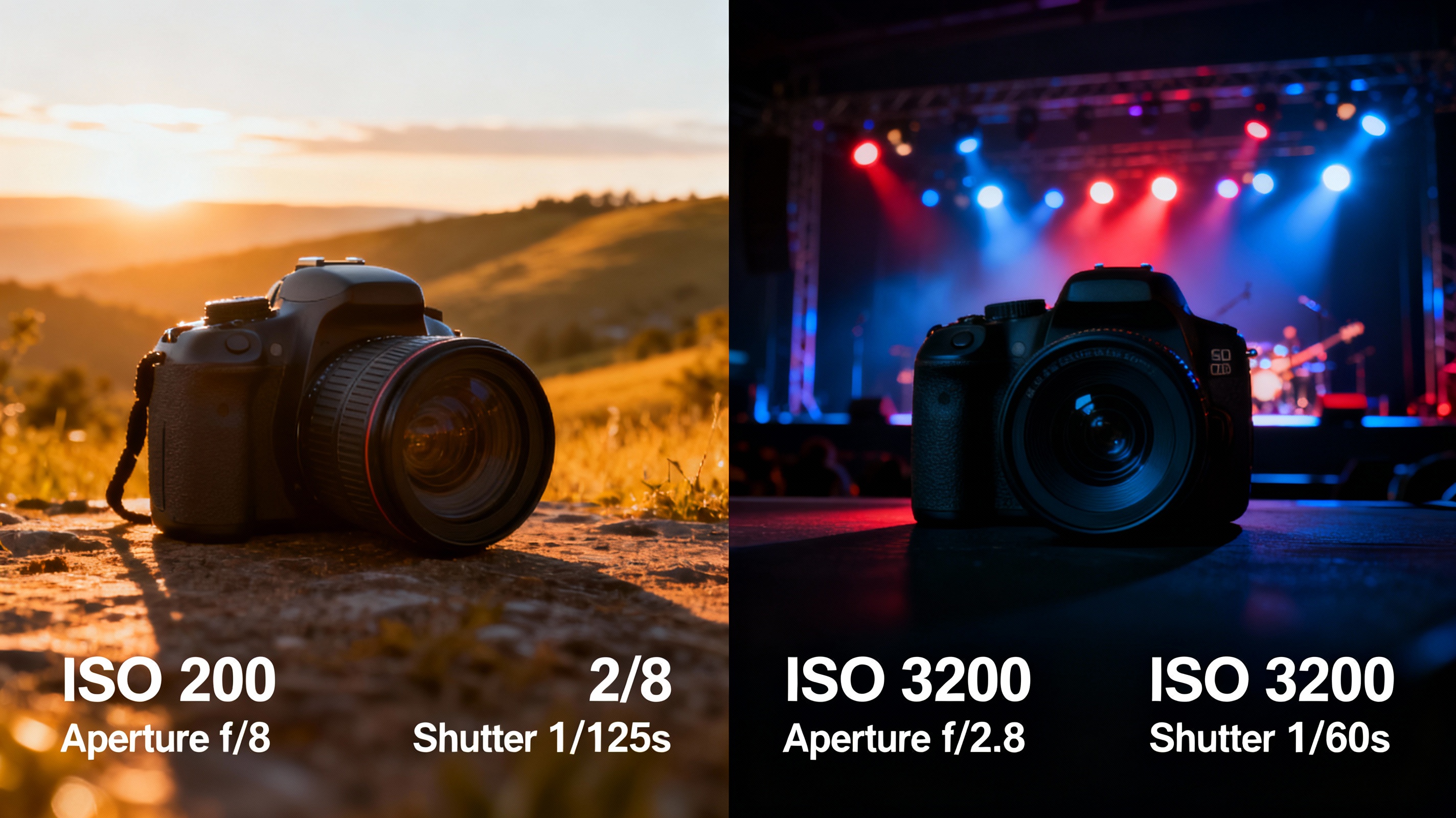
ISO doesn’t work in isolation—it’s part of the exposure triangle alongside shutter speed and aperture. For example, in low-light situations, raising ISO lets you use faster shutter speeds to freeze motion or smaller apertures for deeper focus. But pushing ISO too high can degrade detail. The sweet spot arises when these three elements harmonize: prioritize the lowest ISO possible while achieving your desired artistic effect. For landscapes, you might favor ISO 100 with a tripod; for sports, a higher ISO (e.g., 800–3200) ensures sharpness without motion blur. Experimentation is critical, as every shooting scenario demands a unique balance.
Finding Your Camera’s Native ISO Range
Every camera has a “base” ISO (usually 100 or 200) where dynamic range and noise are optimal. Mid-range models might perform well up to ISO 1600, while high-end cameras can handle 6400+ without significant quality loss. Check your camera’s specifications: manufacturers often list “expanded” ISO ranges, but these typically sacrifice detail. To test your gear, shoot a static scene at increasing ISOs and examine noise patterns in shadows and midtones. The sweet spot is the highest ISO where noise remains manageable for your needs. For instance, Canon’s EOS R6 excels up to ISO 3200, while Nikon’s Z7 II maintains clarity at 1600.
Practical Testing: How to Measure Noise and Detail Loss
Real-world testing trumps theoretical advice. Set your camera on a stable surface and photograph a high-contrast scene (e.g., a bookshelf with textured objects) at every ISO setting. Use RAW format to avoid in-camera processing. Zoom into 100% on a monitor to inspect noise in shadow areas and fine details like text or fabric patterns. Tools like DxO PhotoLab or Lightroom’s noise reduction can help, but aim to minimize reliance on post-processing. If noise at ISO 1600 looks acceptable for social media but not prints, adjust your sweet spot accordingly. Remember, perceived noise also depends on subject matter—busy scenes hide grain better than smooth gradients.
Adapting to Real-World Scenarios: When to Bend the Rules
While sticking to the sweet spot is ideal, dynamic environments demand flexibility. At a wedding reception, for example, you might prioritize ISO 3200 over a noisy-but-sharp image instead of a blurry “clean” shot. Similarly, astrophotography often requires ISOs of 3200–6400 to capture faint stars. Newer cameras also offer dual-native ISO (e.g., Panasonic S5), where noise drops dramatically at specific thresholds like ISO 400 and 2500. Learn when to break conventions: grain can add grit to street photography or moodiness to portraits. The sweet spot isn’t static—it’s a tool tailored to your creative intent.