Long Exposure Noise Reduction: On or Off?
What Is Long Exposure Noise Reduction?
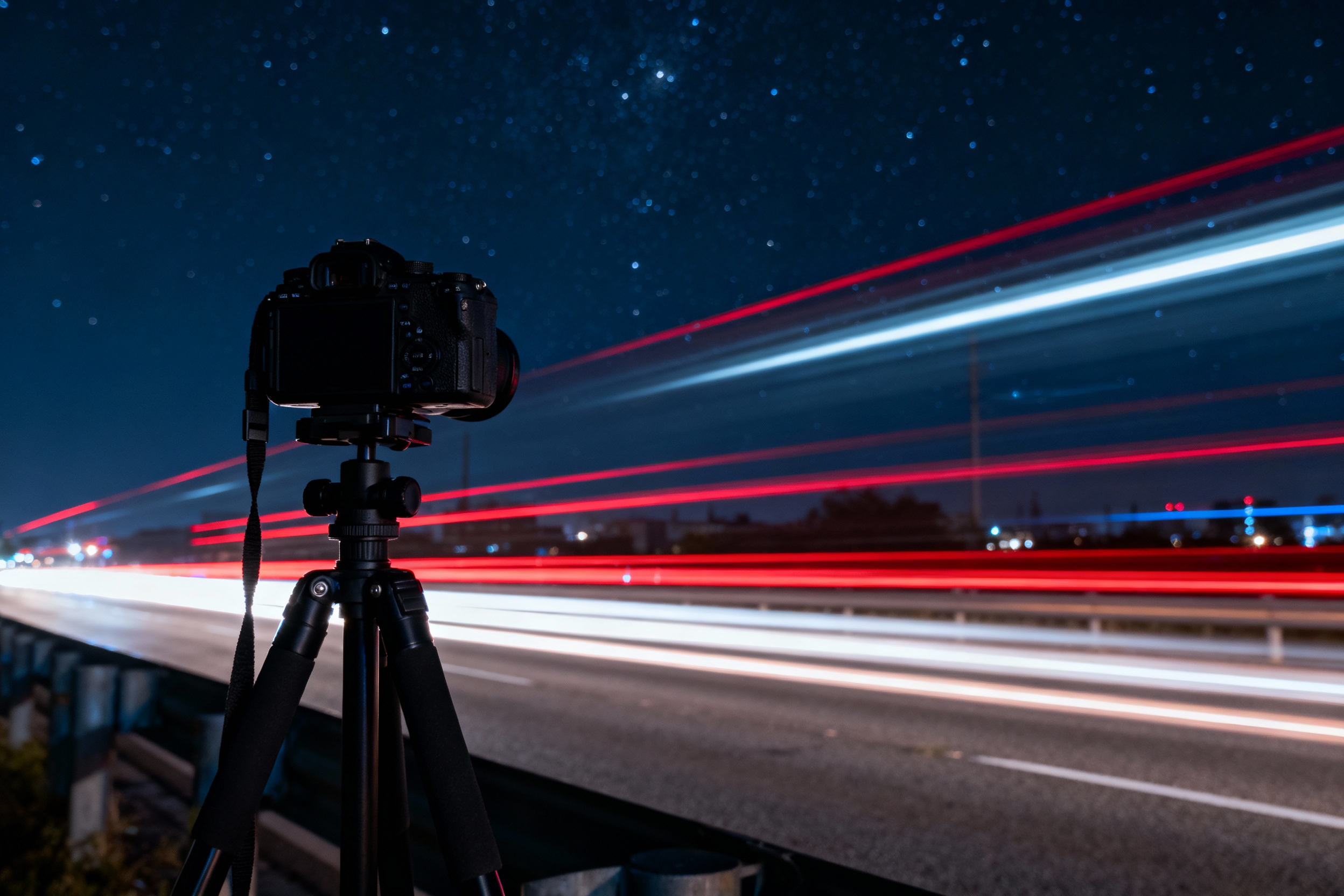
Long Exposure Noise Reduction (LENR) is a camera feature designed to minimize visual distortions caused by sensor heat during prolonged exposures. When a camera’s shutter remains open for several seconds or minutes—common in night photography or astrophotography—the image sensor generates heat, creating “thermal noise” that manifests as unwanted bright pixels or color speckles. LENR works by capturing a second “dark frame” immediately after the exposure, which records the noise pattern. The camera then subtracts this noise from the original image, resulting in a cleaner final photo. While effective, this process doubles the shooting time, as the camera must process the dark frame before allowing another shot.
How LENR Works: A Technical Breakdown
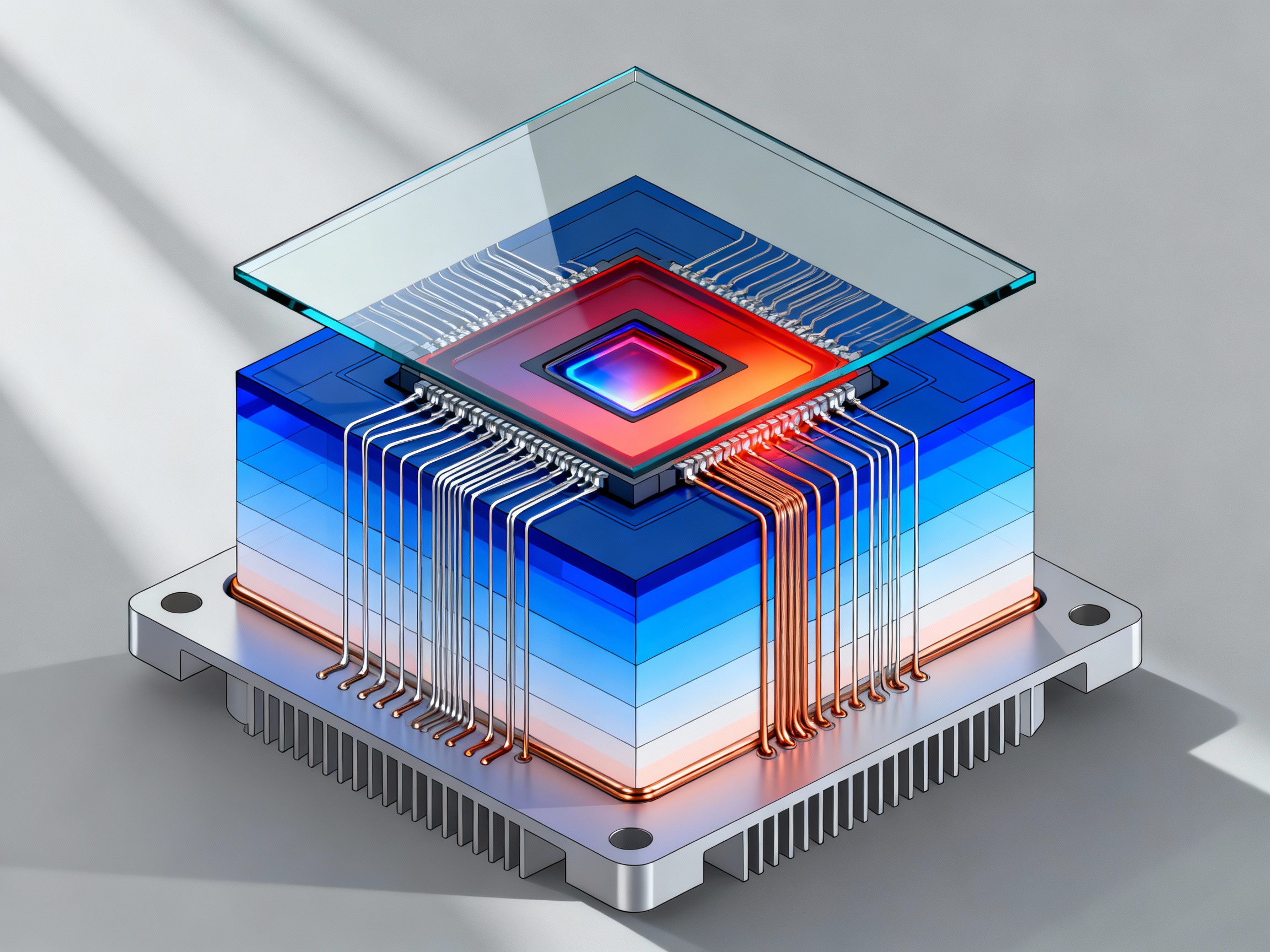
Modern cameras use CMOS or CCD sensors that inherently produce noise during long exposures. Heat causes electrons to leak into pixels, creating bright spots known as “hot pixels.” LENR combats this by taking a reference image—a dark frame—with the same exposure time but the shutter closed. This dark frame isolates the noise pattern, allowing the camera’s processor to algorithmically remove matching anomalies from the original image. However, this method doesn’t address noise from high ISO settings or poor lighting, which require different solutions like software denoising or improved lighting conditions.
The Pros and Cons of Enabling LENR
Enabling LENR ensures cleaner images in scenarios where heat-induced noise is unavoidable, such as exposures over 30 seconds. It’s particularly useful for static subjects like landscapes or star trails, where the processing delay is less disruptive. However, the mandatory waiting period between shots can disrupt workflows for timelapses or events where timing is critical. Additionally, LENR doesn’t improve images with motion blur or existing high ISO noise, and it consumes battery life faster due to continuous processing.
When to Use LENR: Ideal Scenarios
LENR shines in controlled environments where image quality trumps speed. Astrophotographers often enable it to capture noise-free star fields, while urban night photographers rely on it to eliminate hot pixels in long exposures of cityscapes. It’s also beneficial for studio work with fixed lighting, where consistency between shots is paramount. However, it’s less practical for capturing fleeting moments, like meteor showers or moving auroras, where the processing delay could mean missing critical shots.
When to Turn LENR Off: Flexibility Over Perfection
Disabling LENR is advisable when shooting fast-changing scenes or sequences requiring rapid firing, such as fireworks displays or sports events at night. Wildlife photographers tracking nocturnal animals might skip LENR to avoid startling subjects with prolonged processing noises. Additionally, bracketing for HDR or focus-stacking workflows benefits from uninterrupted shooting. In these cases, photographers often address noise later using post-processing tools, trading minor quality loss for creative flexibility.
Alternatives to In-Camera Noise Reduction
Software solutions like DxO PureRAW, Topaz Denoise AI, or Lightroom’s AI Denoise offer powerful alternatives to LENR. These tools analyze image patterns and apply selective noise reduction while preserving details, often outperforming in-camera processing. For multi-shot techniques like image averaging or stacking—common in astrophotography—shooting without LENR allows capturing more frames quickly, which software can align and blend to reduce noise dynamically. This hybrid approach balances efficiency and quality, especially for high-stakes projects.
Final Thoughts: Balancing Art and Technology
The decision to use LENR depends on your priorities: flawless single shots or adaptive flexibility. Test it in your common shooting environments—compare images with and without LENR, and evaluate whether the noise difference justifies the downtime. Remember, advancements in sensor technology and AI-driven post-processing continually reshape this balance, making it worthwhile to revisit your approach as tools evolve. Ultimately, understanding LENR’s role empowers you to make informed choices tailored to each unique photographic challenge.