Prime vs Zoom: Astrophotography Lenses
```html
Understanding Prime and Zoom Lenses: The Basics
Astrophotography demands precision, and the choice between prime and zoom lenses can make or break your celestial shots. Prime lenses have a fixed focal length, such as 24mm or 50mm, offering simplicity and often superior optical quality. Zoom lenses, like 16-35mm or 24-70mm, provide flexibility by adjusting focal lengths on the fly. While primes are celebrated for their wider apertures (e.g., f/1.4 or f/1.8), zooms prioritize versatility, though they typically max out at f/2.8. For capturing faint stars or the Milky Way, aperture size becomes critical—a prime’s wider opening gathers more light, reducing the need for extreme ISO settings. However, zooms allow compositions without physically moving, a boon in challenging terrain. Understanding these core differences is the first step in aligning your gear with your astrophotography goals.
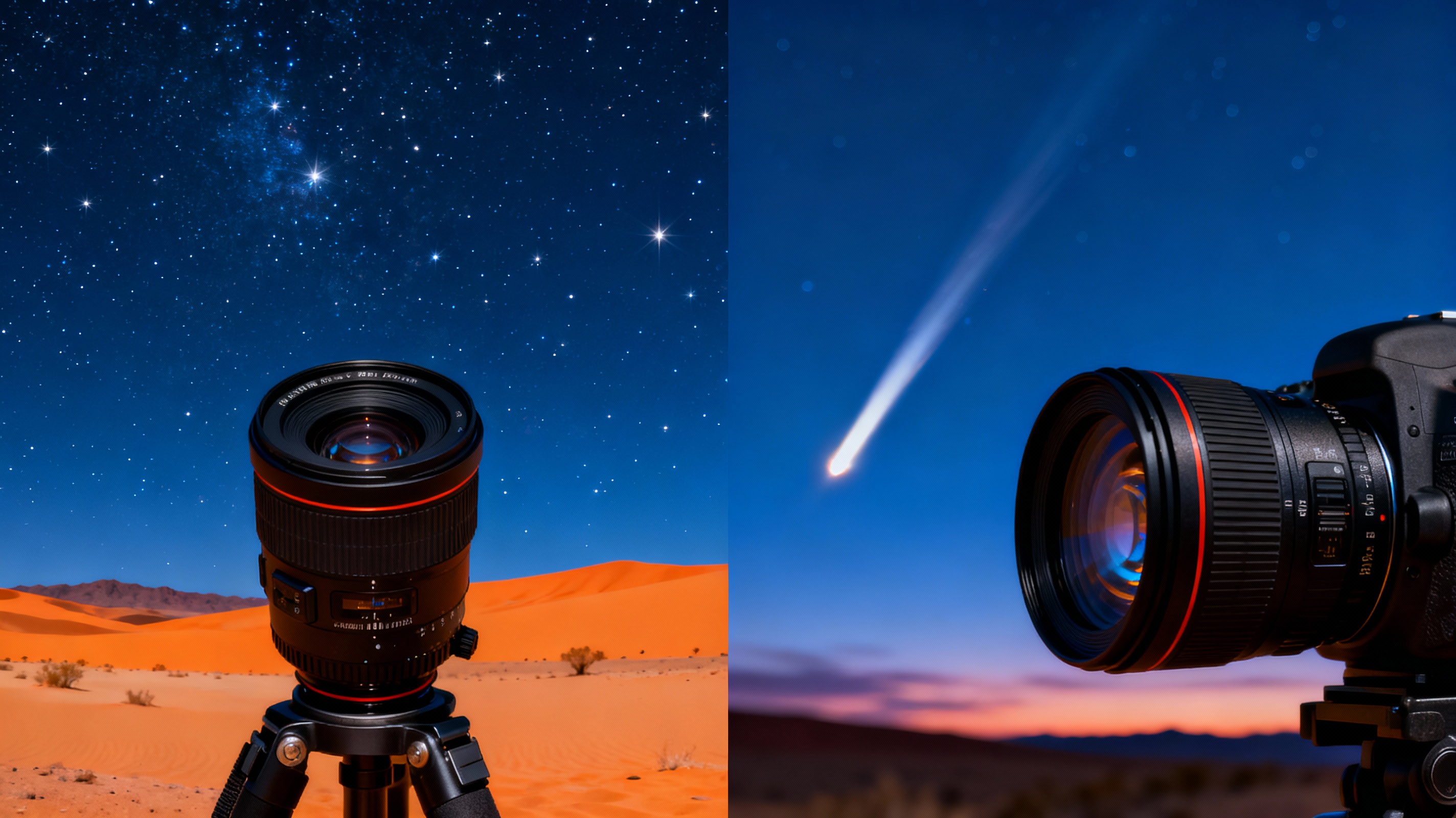
Astrophotography Requirements: Aperture, Sharpness, and Focal Length
In astrophotography, the triumvirate of aperture, sharpness, and focal length dictates success. Aperture determines how much light reaches the sensor—critical for rendering dim stars and nebulae. Prime lenses often excel here, with apertures like f/1.4 illuminating scenes faster than a zoom’s f/2.8. Sharpness, particularly at the edges, ensures pinpoint stars without distortion. Many primes outperform zooms in this regard due to fewer internal elements. Focal length influences composition: wide-angle primes (14-24mm) frame vast swaths of the Milky Way, while zooms enable tighter shots of constellations or planets. However, longer focal lengths require shorter exposures to avoid star trailing. Balancing these factors means prioritizing either light-gathering prowess (prime) or compositional adaptability (zoom).
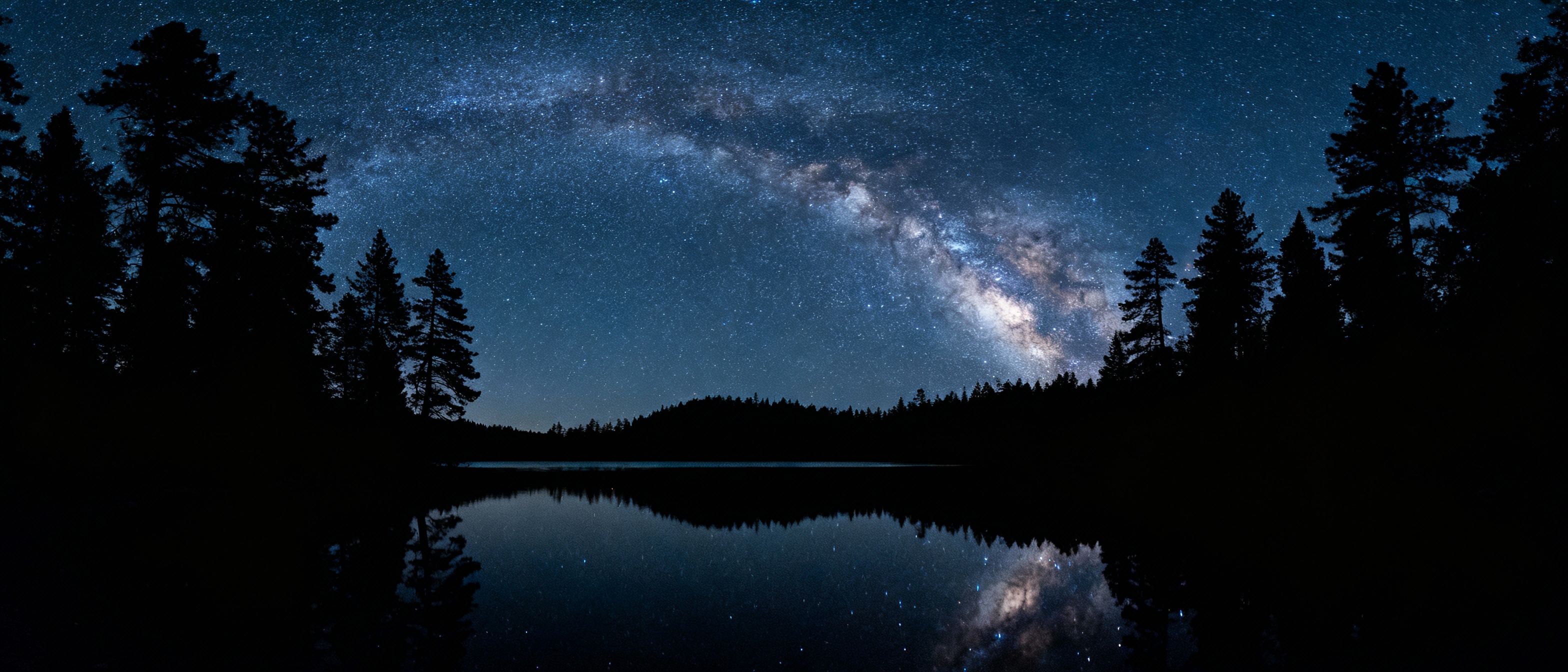
Low-Light Performance: Prime Lenses’ Edge in Astrophotography
When capturing the night sky, low-light performance separates primes from zooms. A prime lens’s wider aperture allows shorter exposures or lower ISOs, preserving image quality. For instance, a 20mm f/1.8 prime can gather twice as much light as a 24-70mm f/2.8 zoom at its widest setting. This advantage becomes apparent in noise reduction; primes retain clarity in shadowy regions where zooms might struggle. Additionally, primes often feature less vignetting and chromatic aberration, which are crucial for seamless starfield images. While modern zooms have improved, their smaller apertures still limit them in extremely dark skies. If your priority is capturing faint celestial objects with minimal noise, primes remain the gold standard.
Versatility vs. Specialization: When Zooms Shine
Zoom lenses carve their niche in dynamic astrophotography scenarios. Imagine tracking the International Space Station or framing an eclipse alongside terrestrial elements—zooms let you adapt without switching lenses. A 24-70mm f/2.8 can seamlessly transition from wide-angle auroras to tighter shots of the Moon’s craters. This flexibility is invaluable during expeditions where weight and time are constraints. However, zooms require trade-offs: smaller apertures mean higher ISOs or longer exposures, increasing noise and star trailing risks. For hybrid shooters who also dabble in landscapes or events, zooms offer a pragmatic balance. They’re not perfect for pure astrophotography, but their adaptability can’t be ignored.
Budget Considerations: Cost vs. Performance
Prime lenses often command higher prices for their specialty designs, but budget-friendly options like the Rokinon 14mm f/2.8 offer stellar performance under $500. Zooms, meanwhile, vary widely; entry-level models may suffer from distortion, while premium zooms (e.g., Canon RF 15-35mm f/2.8) rival primes in sharpness—at twice the cost. Consider longevity: a quality prime can last decades, whereas zooms may require upgrades as technology advances. For hobbyists, renting lenses for specific shoots might be a cost-effective middle ground. Ultimately, your budget should reflect whether you prioritize a one-time investment in a prime or the flexible utility of a zoom.
Real-World Examples: Popular Lenses in Action
The Sigma 14mm f/1.8 Art is a prime powerhouse, beloved for capturing the Milky Way with minimal coma. Meanwhile, the Tamron 15-30mm f/2.8 zoom appeals to adventurers who need flexibility without sacrificing too much speed. Astrophotographers often pair these with star trackers to compensate for exposure limits. Testimonials reveal primes excelling in remote dark-sky sites, while zooms prove their worth in multi-scene timelapses. Case in point: The Nikon 20mm f/1.8G produces ethereal starscapes, whereas the Sony 16-35mm f/2.8 GM adapts to changing conditions during eclipses or meteor showers. Your style—whether methodical or spontaneous—will dictate which lens becomes your workhorse.
Making the Choice: Factors to Guide Your Decision
Your astrophotography journey hinges on three questions: What’s your primary subject? How much gear can you carry? And what’s your tolerance for post-processing? Primes are ideal for pure astro work—maximizing sharpness and light capture. Zooms suit hybrid shooters who value speed and adaptability. Consider pairing a wide-angle prime with a mid-range zoom for versatility. Remember, no lens is perfect; prioritize the features that align with your creative vision. Whether it’s the crisp brilliance of a prime or the agile framing of a zoom, both can unlock the cosmos—if matched to your ambitions.