Red Light Headlamps: Why They're Essential
```html
The Science Behind Red Light: Why Your Eyes Need It
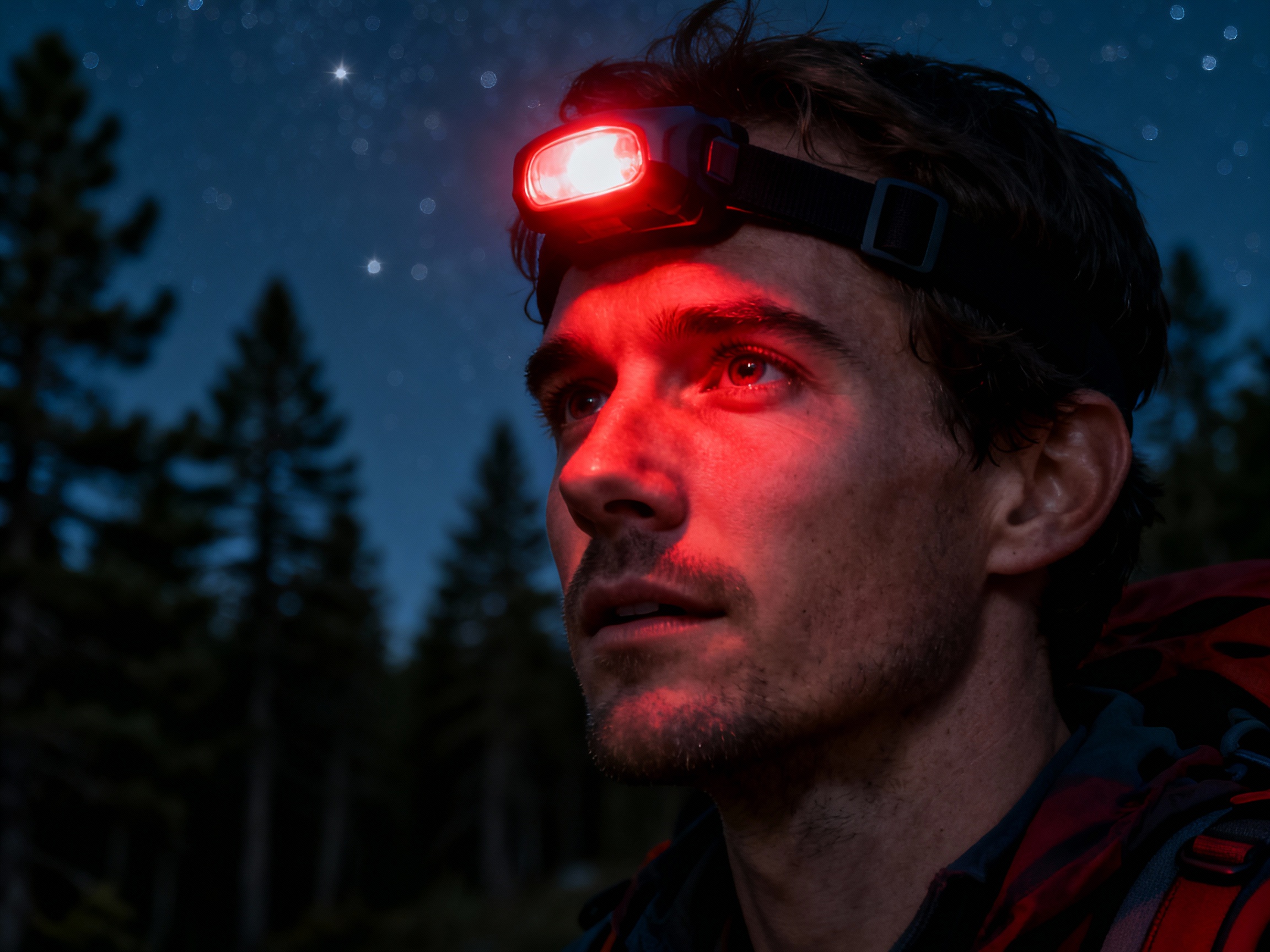
Red light headlamps have become a staple for outdoor enthusiasts, but their benefits go far beyond convenience. The human eye contains two types of photoreceptors: rods and cones. Rods, responsible for low-light vision, are less sensitive to red wavelengths. This means red light preserves night vision by preventing the temporary "bleaching" of rhodopsin, a pigment critical for seeing in the dark. Astronomers discovered this centuries ago, and modern adventurers now rely on red light to navigate trails, read maps, or set up camp without sacrificing their ability to see in the dark.
Unlike white light, which scatters and creates glare, red light reduces eye strain and maintains peripheral awareness. Studies show that transitioning from bright white light to darkness can take up to 30 minutes for full night vision recovery. With red light, that adjustment period shrinks to mere seconds. This makes it indispensable for activities requiring sudden shifts between illuminated and dark environments.
Red Light Headlamps in Outdoor Adventures
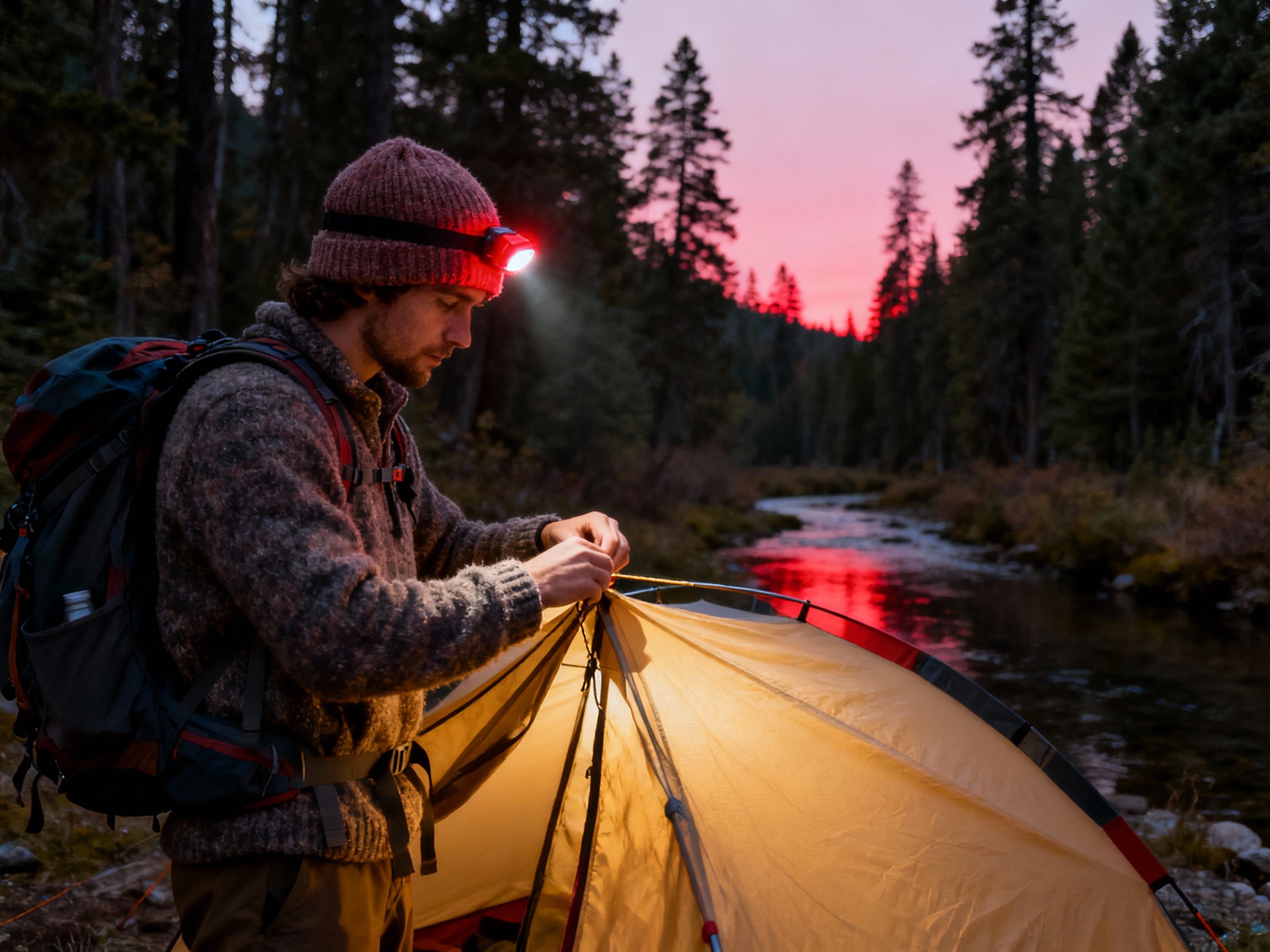
For campers and hikers, red light headlamps are more than a tool—they're a lifeline. Imagine traversing rocky terrain at 3 a.m. to answer nature’s call. A white light would blind you and disrupt nearby campers, but a red beam keeps your path visible without ruining everyone’s night vision. Hunters and anglers also benefit, as red light doesn’t spook game or disturb fish. Even mundane tasks like cooking or gear repairs become seamless under red illumination.
Red light’s stealth advantage extends to group settings. Whether sharing a backcountry shelter or coordinating with a climbing team, red light maintains group cohesion without the jarring brightness of traditional headlamps. It’s also a courtesy: blinding your hiking partner with a white beam is a quick way to sour camaraderie.
Wildlife Preservation: The Stealth Advantage of Red Light
Wildlife researchers and photographers have long championed red light for its minimal ecological impact. Many animals, including nocturnal species like owls and foxes, perceive red wavelengths poorly. This allows observers to document behavior without altering it. For example, sea turtle conservationists use red light to monitor nests, as bright white lights can disorient hatchlings. Birdwatchers also rely on red beams to track migrations without startling flocks.
Even recreational campers contribute to wildlife preservation by using red light. Bright campsites can fragment habitats, but red illumination minimizes light pollution. National parks like Joshua Tree now encourage visitors to adopt red light practices, protecting both wildlife and the stargazing experience.
Astronomy and Stargazing: Enhancing the Cosmic Experience
Astronomers were among the first to recognize red light’s value. Observing faint galaxies or nebulae requires eyes fully adapted to darkness. A single burst of white light can reset this process. Red light, however, allows astronomers to take notes or adjust equipment without compromising their night vision. Modern stargazers extend this principle to astrophotography setups and amateur telescope sessions.
Red light headlamps also enhance group stargazing. Leading a constellation tour? A red beam lets you point out celestial landmarks while keeping the sky’s natural brilliance intact. It’s a simple shift with profound results: deeper engagement with the cosmos and fewer frustrated “Wait, I can’t see anything!” moments.
Red Light in Night Photography and Videography
Night photographers face a unique challenge: they need light to work but can’t afford to ruin their shots with stray illumination. Red light strikes the perfect balance. It provides enough visibility to change lenses or adjust tripods without introducing color casts or glare. Time-lapse photographers, in particular, rely on red beams to maintain consistency over hours of shooting.
Videographers also use red light for behind-the-scenes logistics. Documenting a nocturnal animal? Red illumination keeps crews mobile without disrupting the subject. Even in urban settings, red light helps avoid overexposure when filming in dimly lit alleys or rooftops.
Practical Everyday Uses Beyond the Trail
Red light headlamps aren’t just for adventurers. Electricians working in crawl spaces, parents checking on sleeping children, or emergency responders assessing accident scenes all benefit from red light’s discretion. Hospitals use red lighting in neonatal units to protect infants’ developing eyes, while military personnel employ red beams for map reading during night ops.
Even everyday homeowners use red light for midnight snack runs or power outages. It’s a universal solution for tasks requiring subtlety and precision—no matter where you are.
Choosing the Right Red Light Headlamp: Features to Prioritize
When selecting a red light headlamp, consider brightness modes, battery life, and durability. Look for adjustable intensity: a high mode for rugged terrain and a dimmer setting for close-up tasks. Waterproof ratings (IPX4 or higher) ensure reliability in rain or snow. Rechargeable batteries are eco-friendly, but models accepting standard AAAs offer backup flexibility.
Comfort matters too. Test the headband’s adjustability and weight distribution. Bonus features like strobe modes for emergencies or tiltable beams add versatility. Brands like Petzl and Black Diamond offer trusted options, but affordable models can still deliver core functionality.
Debunking Myths: Separating Fact from Fiction
Myths about red light abound. Some claim it’s useless for detailed tasks, but studies prove red light enhances focus in low-light conditions. Others insist it attracts insects, yet most bugs are drawn to UV wavelengths, not red. Even the belief that red light is "too dim" crumbles when you consider context: it’s designed for functionality, not floodlighting stadiums.
The bottom line? Red light isn’t a niche gimmick—it’s a scientifically backed tool for safer, more respectful interaction with the dark.