Stacking vs Single Exposure: Pros & Cons
```html
Stacking vs Single Exposure: Defining the Approaches
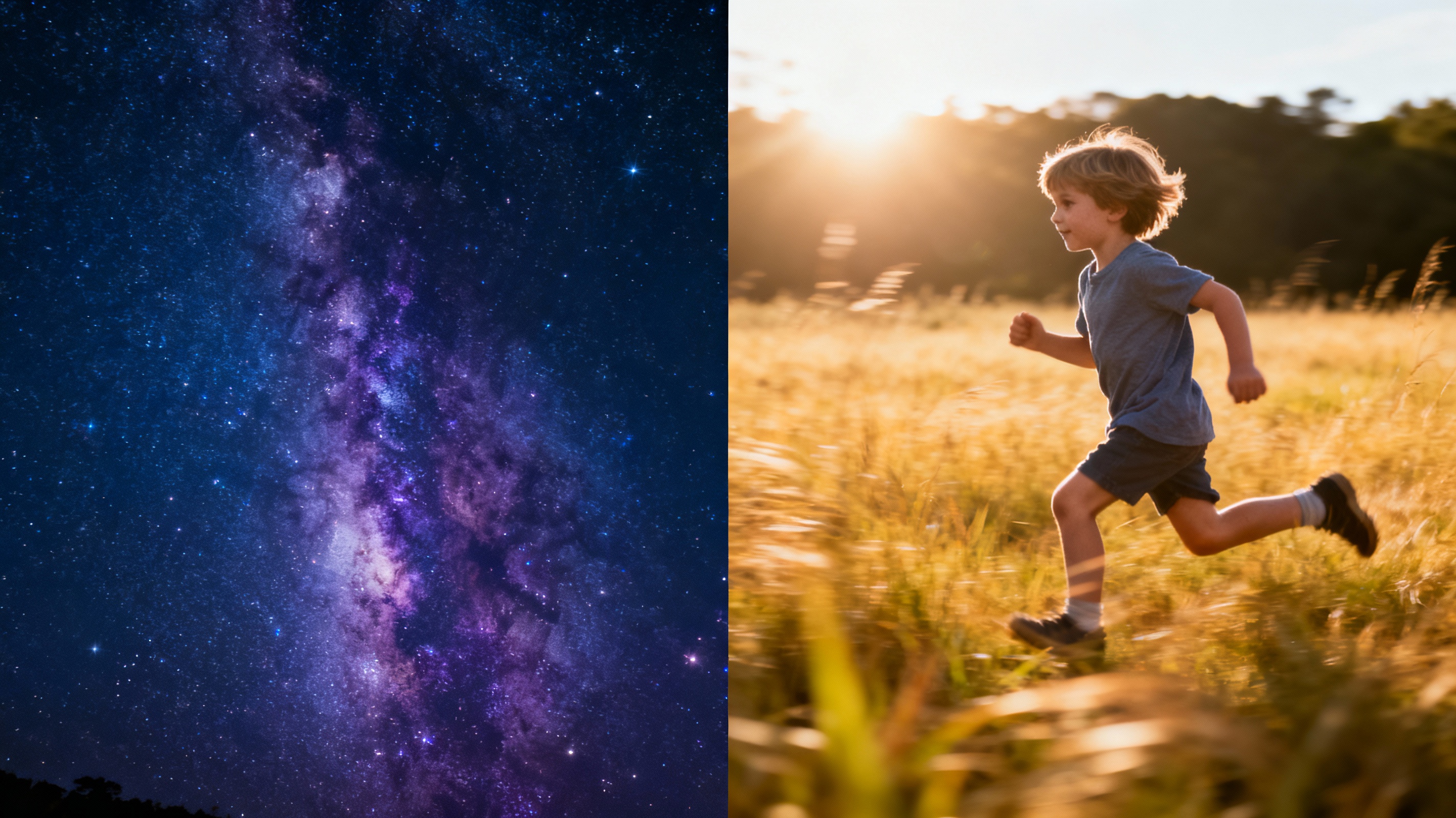
Photography thrives on choices. Among the most debated is whether to use stacking techniques or rely on a single exposure. Stacking involves blending multiple images to enhance detail, reduce noise, or expand dynamic range. Single exposure, as the name suggests, captures a scene in one shot, prioritizing immediacy and authenticity. Both methods have distinct advantages and trade-offs, shaping outcomes in ways that appeal to different photographers and scenarios. This article explores their strengths, limitations, and ideal use cases.
Understanding Stacking: Precision at a Cost
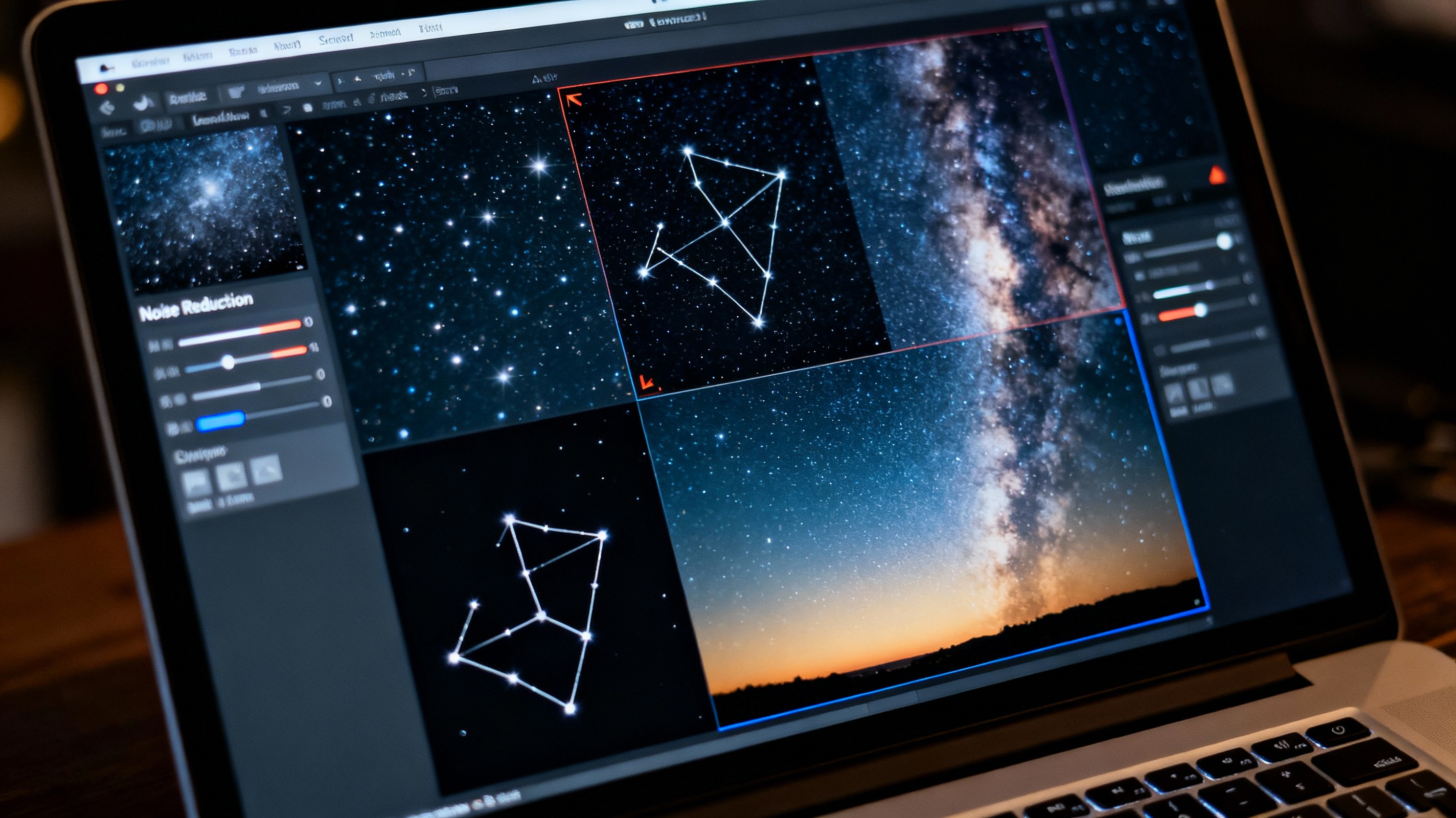
Stacking is a technique often celebrated in genres like astrophotography, macro, and landscape photography. By combining multiple shots of the same scene, photographers can mitigate sensor noise, enhance sharpness, and recover shadow/highlight details. For example, astrophotographers stack dozens of frames to average out random noise, resulting in cleaner images of galaxies or nebulae. Similarly, focus stacking merges images taken at different focal points to achieve front-to-back sharpness in macro shots.
However, stacking demands meticulous planning. Subjects must remain static, making it impractical for dynamic scenes like sports or wildlife. The process also requires post-processing expertise, as misalignment or moving elements can create artifacts. Time investment is significant—both during shooting and editing. Additionally, some purists argue that stacking risks over-manipulation, distancing the image from the "moment" it represents.
The Strengths of Single Exposure: Authenticity in the Moment
Single exposure photography thrives on spontaneity. It’s the go-to method for capturing fleeting moments—a bird taking flight, a dancer mid-leap, or the golden-hour glow on a mountain peak. By relying on one frame, photographers preserve the authenticity of a scene, avoiding the "overcooked" look that sometimes plagues heavily processed images. This approach rewards technical skill in-camera, such as mastering exposure triangles and understanding light.
Modern sensors and high ISO performance have narrowed the gap between single and stacked images, especially in low light. However, single exposures still struggle with extremes: recovering blown-out skies or lifting shadows without introducing noise. The method suits photographers who value efficiency, storytelling, and organic results, even if perfection takes a backseat to emotion.
When to Stack: Scenarios That Demand Perfection
Stacking shines in controlled environments where perfection is non-negotiable. Astrophotographers rely on it to reveal faint stars invisible in single shots. Product photographers use focus stacking to ensure every label and texture on a bottle is crisp. Real estate photographers blend exposures to maintain detail in both bright windows and dim interiors.
This method also excels in overcoming hardware limitations. Entry-level cameras with smaller sensors benefit from noise reduction via stacking. Similarly, long exposures for silky water effects can be simulated by averaging multiple shorter exposures, reducing the risk of overheat or light leaks.
The Pitfalls of Over-Stacking: When More Isn’t Better
Stacking’s allure can lead to excess. Overuse may result in unnatural HDR effects, halos, or loss of texture. For instance, blending too many sky exposures might erase subtle cloud gradients, flattening dynamic skies into bland canvases. Wildlife photographers face challenges with moving subjects; a bird’s wing in different positions across frames can create ghosting unless meticulously masked.
Ethical considerations also arise. Photojournalism and documentary work often prohibit stacking to maintain credibility. Even in creative fields, excessive manipulation risks alienating audiences who crave genuine connection. The key is balancing technical perfection with artistic intent.
Embracing Single Exposure’s Limits: Finding Beauty in Constraints
Single exposure constraints can fuel creativity. Limited dynamic range forces photographers to make deliberate choices—exposing for highlights or shadows, using silhouettes, or embracing high-contrast compositions. Grain from high ISO settings can add texture and mood, as seen in gritty street photography or evocative concert shots.
This approach also encourages problem-solving in-camera. Techniques like using graduated ND filters for landscapes or bounce flash in portraits help overcome exposure challenges without post-processing crutches. The result is often a more intimate, immediate connection between photographer and subject.
Hybrid Approaches: Blending the Best of Both Worlds
Many photographers adopt hybrid workflows. A base single exposure might be supplemented with one or two additional frames for critical adjustments—for example, a darker frame to recover sky details or a faster shutter speed to freeze a bird’s wing. This balances efficiency and quality, avoiding the tedium of full stacking while addressing a single exposure’s weaknesses.
Software advancements enable selective editing: blending exposures locally rather than globally. Tools like luminosity masks or AI-driven selection let photographers enhance specific areas without affecting the entire image, marrying the spontaneity of single shots with the precision of stacking.
Choosing Your Path: Philosophy Meets Practicality
Your choice between stacking and single exposure depends on goals and context. Are you documenting a moment or creating art? Does the scene demand technical perfection, or is imperfection part of its story? Astrophotographers and macro specialists may lean heavily on stacking, while event and street photographers prioritize single exposures.
Ultimately, mastery of both methods empowers photographers to adapt. Understanding stacking’s potential—and its pitfalls—ensures it’s used purposefully, not habitually. Similarly, honing single-exposure skills cultivates an eye for light, timing, and composition that benefits every genre.