Weather Tools for Clear Sky Chances
```html
The Importance of Predicting Clear Skies
Clear skies hold immense value for a range of activities, from stargazing and photography to outdoor events and aviation. Predicting cloudless conditions isn’t just about convenience—it’s a blend of science, technology, and real-time data analysis. Modern weather tools combine historical patterns, satellite imagery, and localized sensors to forecast clear skies with impressive accuracy. Understanding these predictions helps individuals and industries optimize their plans, reduce risks, and capitalize on ideal conditions. Whether you’re a farmer protecting crops from unexpected frost or a couple planning a rooftop wedding, accurate clear-sky forecasts are indispensable.
Traditional Tools for Clear-Sky Forecasting
Long before satellites, people relied on observational tools to predict weather. Barometers measured atmospheric pressure, hinting at impending clear or stormy skies. A sudden rise in pressure often signals clearing clouds. Similarly, hygrometers tracked humidity levels—low humidity typically correlates with fewer clouds. Farmers also used folklore, like the red sky at night proverb, to anticipate calm weather. While less precise than modern tech, these methods laid the groundwork for today’s forecasting models. Even now, analog tools serve as backups for hobbyists and professionals who appreciate the artistry of manual prediction.

Satellite Imagery and Radar Technology
Satellites orbiting Earth provide real-time visuals of cloud cover, enabling meteorologists to track movements across continents. Tools like GOES-R satellites capture high-resolution images, distinguishing thin cirrus clouds from thick cumulus formations. Radar systems complement this by detecting precipitation and cloud density, filtering out noise to highlight clear zones. Platforms like NOAA’s Global Forecast System (GFS) integrate this data into models that predict sky conditions days in advance. For users, apps like Windy visualize satellite layers, offering interactive maps to pinpoint clear-sky windows down to the hour.
Smartphone Apps for Instant Sky Clarity Updates
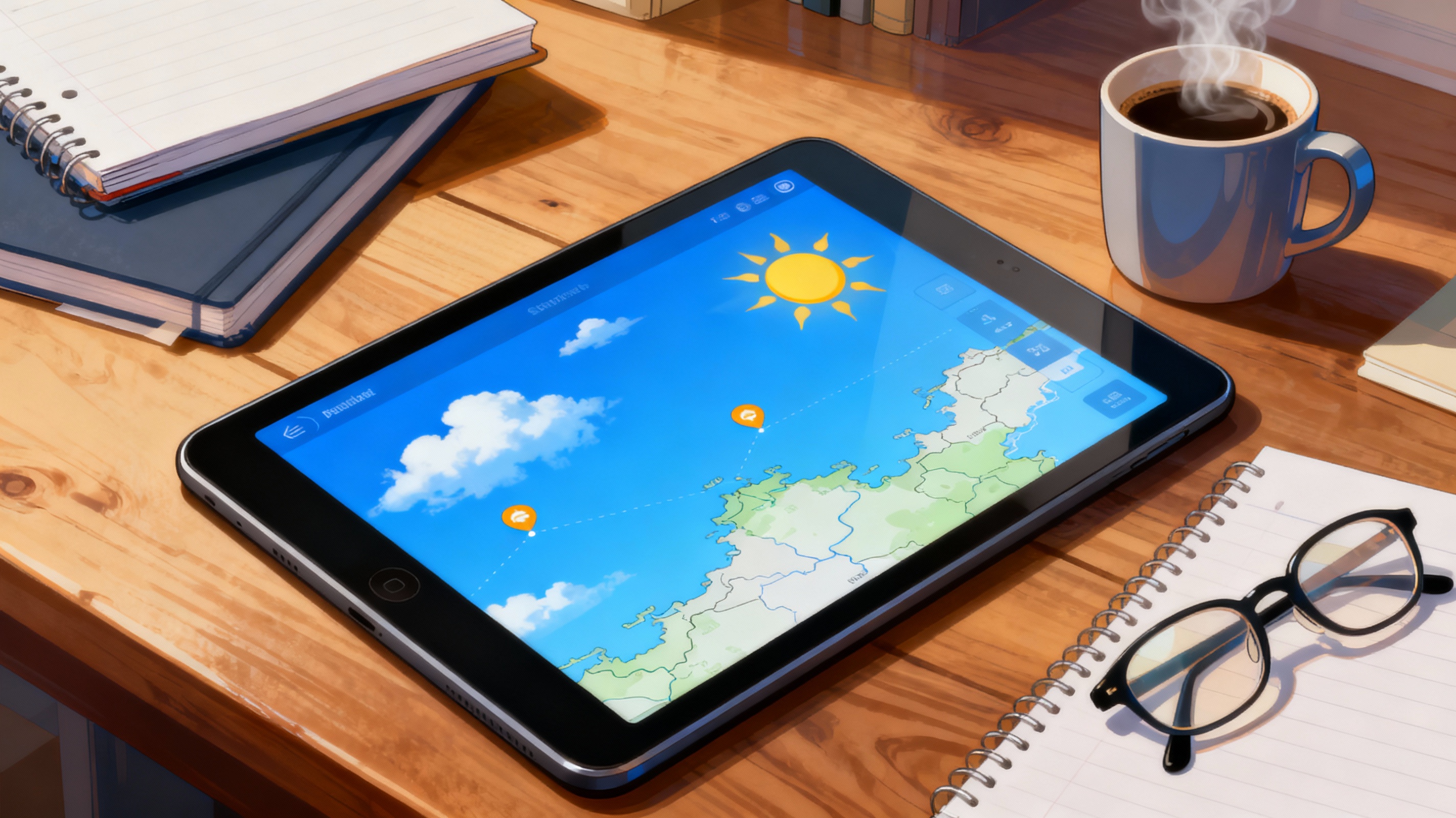
Mobile apps have democratized access to hyperlocal clear-sky forecasts. Dark Sky (now integrated into Apple Weather) gained fame for its minute-by-minute precipitation alerts, while apps like Clear Outside focus on astronomy-grade cloud forecasts. These tools pull data from government satellites and crowd-sourced weather stations, refining predictions using machine learning. Features like push notifications and radar loops let users track cloud dispersal in real time. For photographers, apps like PhotoPills overlay cloud-cover predictions with golden-hour timings, blending art and science seamlessly.
Enhancing Accuracy: Combining Multiple Data Sources
No single tool guarantees flawless predictions. Savvy forecasters cross-reference satellite data, ground sensors, and ensemble models to reduce uncertainty. For instance, comparing the European Centre’s ECMWF with the American GFS reveals consensus on clear-sky windows. Portable tools like handheld anemometers or personal weather stations add granularity, especially in areas with sparse radar coverage. Platforms like Weather Underground aggregate this data, offering crowd-sourced forecasts that fill gaps in official reports. By layering sources, users gain confidence in when—and where—the skies will stay pristine.
Future Innovations in Clear-Sky Prediction
Emerging technologies promise even sharper forecasts. Quantum computing could process vast datasets instantly, refining models to near-perfect accuracy. Lidar systems, currently used in aviation, might become consumer-friendly, scanning skies for micro-scale cloud formations. Companies like IBM are integrating AI to learn regional weather quirks, adapting predictions to microclimates. Meanwhile, startups are exploring blockchain to decentralize weather data, ensuring real-time updates even during server outages. As tools evolve, the dream of flawless clear-sky forecasts inches closer to reality.